
Overview
The CVE-2025-20667 vulnerability refers to a potential information disclosure issue in modems due to improper error handling. This security flaw can lead to remote information disclosure when a User Equipment (UE) connects to a rogue base station controlled by an attacker. It is a critical issue as it does not require any additional execution privileges and can be exploited without user interaction, thereby threatening the confidentiality of affected systems.
Vulnerability Summary
CVE ID: CVE-2025-20667
Severity: High (CVSS: 7.5)
Attack Vector: Network
Privileges Required: None
User Interaction: None
Impact: Potential system compromise and data leakage
Affected Products
 Escape the Surveillance Era
Most apps won’t tell you the truth.
They’re part of the problem.
Phone numbers. Emails. Profiles. Logs.
It’s all fuel for surveillance.
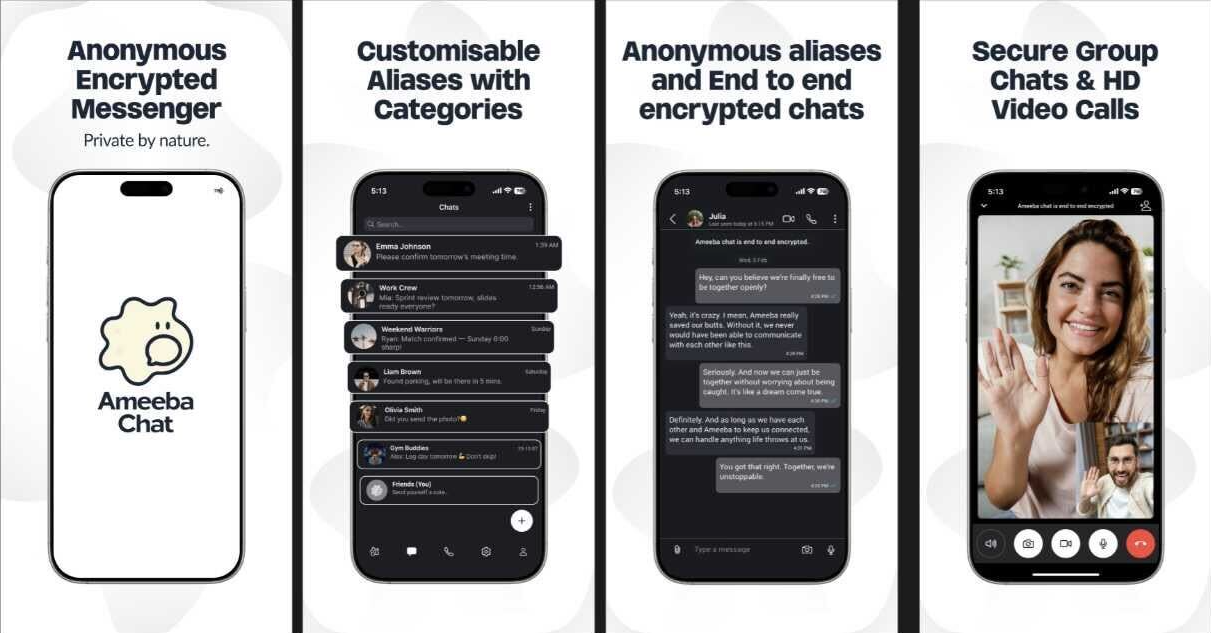
Ameeba Chat gives you a way out.
- • No phone number
- • No email
- • No personal info
- • Anonymous aliases
- • End-to-end encrypted
Chat without a trace.
Product | Affected Versions
Modem | All versions prior to patch MOLY01513293
How the Exploit Works
The CVE-2025-20667 exploit works by taking advantage of incorrect error handling in modems. When a UE connects to a rogue base station controlled by an attacker, the attacker can exploit this vulnerability to disclose information remotely. This vulnerability does not require any additional execution privileges, and user interaction is not needed for its exploitation.
Conceptual Example Code
While the exact exploit code is not disclosed to protect systems’ security, an attacker might exploit the vulnerability in a similar way to the following conceptual example:
GET /modem/info HTTP/1.1
Host: roguebase.example.com
The attacker could use this request to retrieve sensitive information from the modem, taking advantage of the incorrect error handling.
Mitigation Guidance
To mitigate this vulnerability, it is advisable to apply the vendor patch with ID: MOLY01513293. In the absence of a patch, or until the patch can be applied, organizations can use a Web Application Firewall (WAF) or Intrusion Detection System (IDS) as a temporary mitigation measure. Regularly monitoring network traffic for suspicious activities can also help in early detection and prevention.
