
Overview
This report discusses the CVE-2025-20666 vulnerability, which affects modem users. This issue is significant due to its potential to cause a system crash and facilitate a remote denial of service (DoS) attack, even without additional execution privileges or user interaction. If a User Equipment (UE) connects to a rogue base station controlled by an attacker, the system could be compromised, leading to possible data leakage.
Vulnerability Summary
CVE ID: CVE-2025-20666
Severity: High (7.5 CVSS)
Attack Vector: Network
Privileges Required: None
User Interaction: None
Impact: System crash, potential for remote DoS, possible system compromise or data leakage
Affected Products
 Escape the Surveillance Era
Most apps won’t tell you the truth.
They’re part of the problem.
Phone numbers. Emails. Profiles. Logs.
It’s all fuel for surveillance.
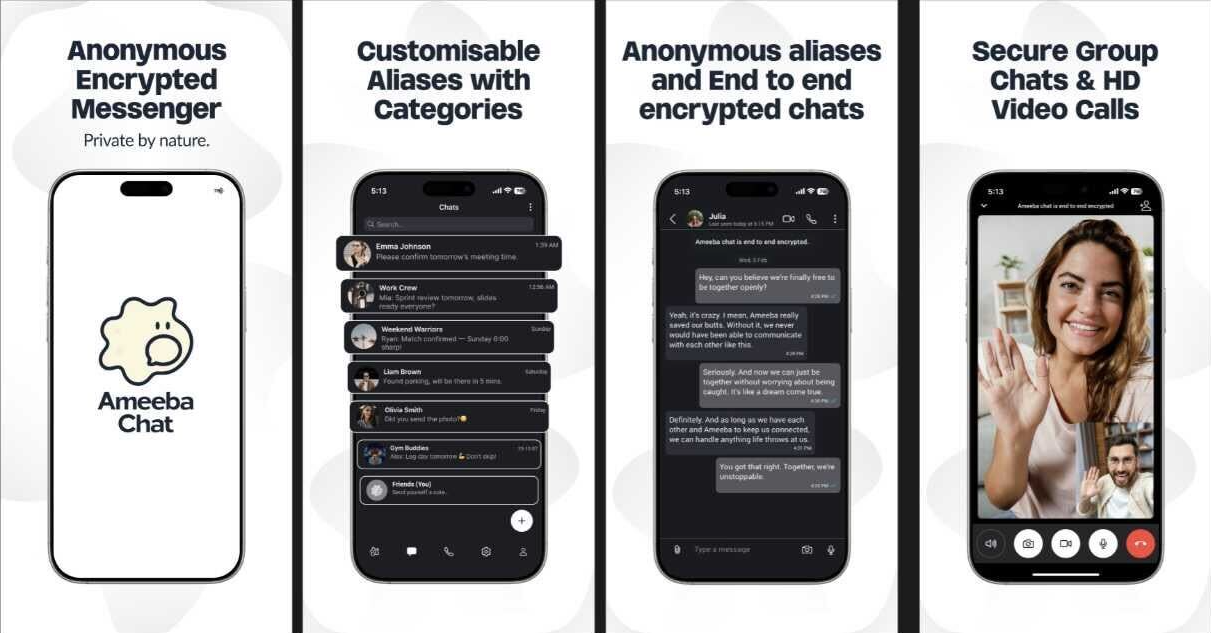
Ameeba Chat gives you a way out.
- • No phone number
- • No email
- • No personal info
- • Anonymous aliases
- • End-to-end encrypted
Chat without a trace.
Product | Affected Versions
Modem | All versions prior to patch MOLY00650610
How the Exploit Works
The vulnerability works by exploiting an uncaught exception in the modem. When a UE connects to a rogue base station controlled by an attacker, it can trigger this exception leading to a system crash. This crash can then be leveraged to perform a remote denial of service attack. This issue is particularly dangerous as it requires no additional execution privileges or user interaction.
Conceptual Example Code
Here’s a potential example of how the exploit might be triggered. This is a hypothetical scenario and should not be used for malicious purposes.
# Rogue base station sends malformed packet to connected UE
echo -n "malformed_packet" | nc -u -w1 target_IP target_port
This command sends a malformed packet to the target, potentially causing the uncaught exception which leads to the system crash.
Mitigation Guidance
The primary solution to this vulnerability is to apply the vendor patch with ID MOLY00650610. If this isn’t immediately possible, a temporary mitigation could be the use of a Web Application Firewall (WAF) or Intrusion Detection System (IDS). These systems can help detect and prevent malicious traffic from reaching the vulnerable modems. However, these are just temporary solutions and the patch should be applied as soon as possible to fully remedy the situation.
