
Overview
The vulnerability, CVE-2025-20083, is an improper authentication flaw found in the firmware of the Intel(R) Slim Bootloader. It is a critical issue that may permit a privileged user to escalate their privileges via local access. This vulnerability can potentially lead to a complete system compromise or data leakage, affecting all systems running the vulnerable versions of this firmware.
Vulnerability Summary
CVE ID: CVE-2025-20083
Severity: High (7.5 CVSS Score)
Attack Vector: Local
Privileges Required: High (Privileged User)
User Interaction: None
Impact: Potential system compromise or data leakage
Affected Products
 Escape the Surveillance Era
Most apps won’t tell you the truth.
They’re part of the problem.
Phone numbers. Emails. Profiles. Logs.
It’s all fuel for surveillance.
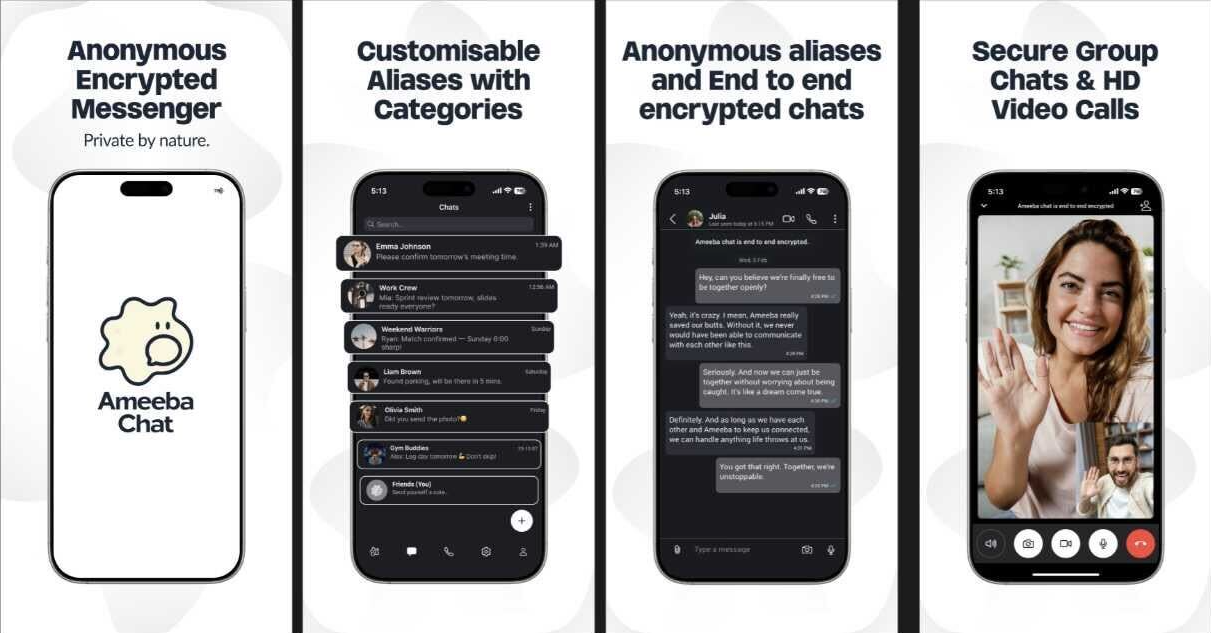
Ameeba Chat gives you a way out.
- • No phone number
- • No email
- • No personal info
- • Anonymous aliases
- • End-to-end encrypted
Chat without a trace.
Product | Affected Versions
Intel(R) Slim Bootloader | All versions prior to vendor patch
How the Exploit Works
The vulnerability stems from an improper authentication mechanism in the firmware of the Intel(R) Slim Bootloader. A locally authenticated user with high privileges can exploit this flaw to escalate their privileges. The exact technical details of the exploit are not disclosed to prevent misuse, but it involves manipulating the authentication process to gain higher-level permissions.
Conceptual Example Code
The following is a
conceptual
example of how the vulnerability might be exploited. It’s written in pseudocode for illustrative purposes:
def exploit(target_system):
if check_high_privileges(target_system.user):
manipulate_auth_process(target_system.firmware)
if check_escalated_privilege(target_system.user):
print("Privilege escalation successful.")
compromise_system(target_system)
else:
print("Exploit failed.")
else:
print("High privileged user required.")
This pseudocode represents a situation where an attacker, already having high privileges on the target system, attempts to manipulate the authentication process of the vulnerable firmware. If successful, the attacker escalates their privileges and compromises the system.
Mitigation and Recommendations
The most effective solution is to apply the vendor’s patch for this vulnerability. Until then, using a Web Application Firewall (WAF) or an Intrusion Detection System (IDS) can provide temporary mitigation. Regular monitoring for suspicious activities and enforcing least privilege principle can also help to limit the potential impact from this vulnerability.
