
Overview
The cybersecurity landscape is constantly under threat from new vulnerabilities. One such critical vulnerability, CVE-2025-1991, affects IBM’s Informix Dynamic Server versions 12.10, 14.10, and 15.0. This vulnerability could potentially allow a remote attacker to cause a denial of service (DoS) in the affected systems, leading to potential system compromise or data leakage.
Vulnerability Summary
CVE ID: CVE-2025-1991
Severity: High – CVSS:7.5
Attack Vector: Network
Privileges Required: None
User Interaction: None
Impact: The vulnerability could allow an attacker to cause a denial of service, potentially compromising the system or leading to data leakage.
Affected Products
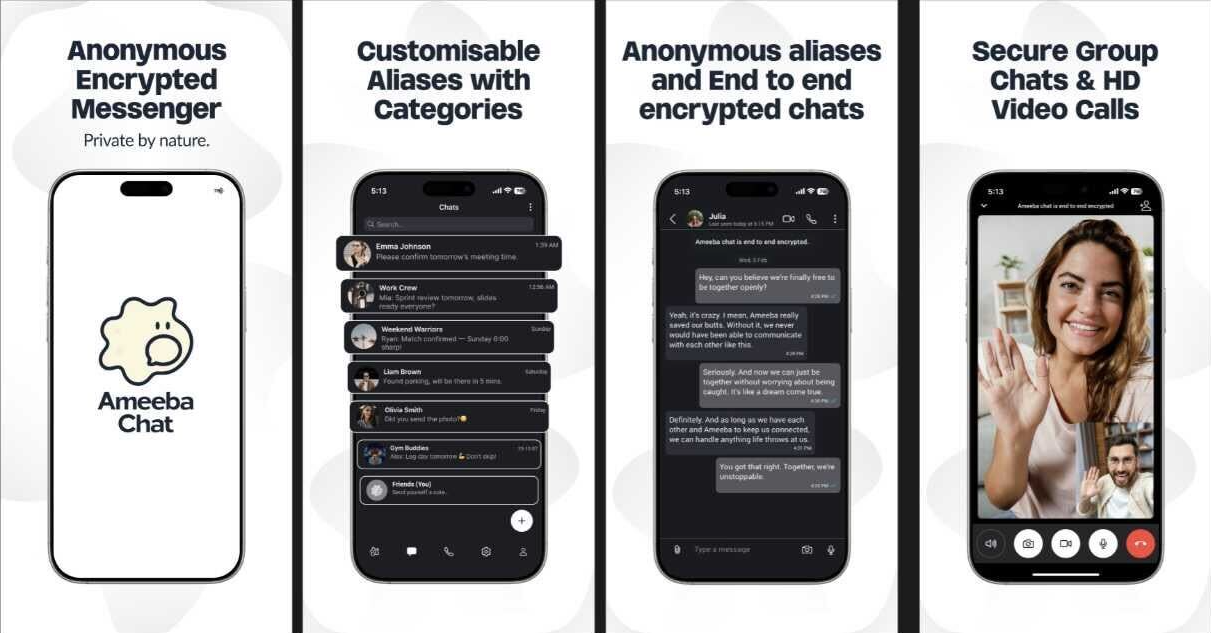
 Escape the Surveillance Era
Most apps won’t tell you the truth.
They’re part of the problem.
Phone numbers. Emails. Profiles. Logs.
It’s all fuel for surveillance.
Ameeba Chat gives you a way out.
- • No phone number
- • No email
- • No personal info
- • Anonymous aliases
- • End-to-end encrypted
Chat without a trace.
Product | Affected Versions
IBM Informix Dynamic Server | 12.10
IBM Informix Dynamic Server | 14.10
IBM Informix Dynamic Server | 15.0
How the Exploit Works
The vulnerability lies in the processing packets of the IBM Informix Dynamic Server. An integer underflow error when processing packets allows for a remote attacker to send specifically crafted packets to the server, disrupting its normal functioning and causing a denial of service. This could potentially lead to unauthorized access to sensitive information or even system compromise.
Conceptual Example Code
This is a theoretical example of how an attacker might exploit the vulnerability using a crafted packet.
POST /process_packet HTTP/1.1
Host: target.example.com
Content-Type: application/json
{
"packet": {
"size": -1,
"content": "malicious_content"
}
}
In this example, the packet size is set to -1, potentially triggering the integer underflow error in the server’s packet processing function.
Mitigation Guidance
Users are advised to apply the vendor-provided patch to fix this vulnerability as soon as it becomes available. In the meantime, implementing a Web Application Firewall (WAF) or Intrusion Detection System (IDS) can provide temporary mitigation against potential attacks exploiting this vulnerability.
