
Overview
The vulnerability identified as CVE-2025-1948 is a severe flaw in the Eclipse Jetty HTTP/2 server, affecting versions 12.0.0 to 12.0.16. This vulnerability allows an HTTP/2 client to commandeer the server’s resources by specifying a large value for a specific HTTP/2 settings parameter, potentially leading to OutOfMemoryErrors and even causing the JVM process to exit.
Vulnerability Summary
CVE ID: CVE-2025-1948
Severity: High (7.5 CVSS score)
Attack Vector: Network
Privileges Required: None
User Interaction: None
Impact: Potential system compromise and data leakage
Affected Products
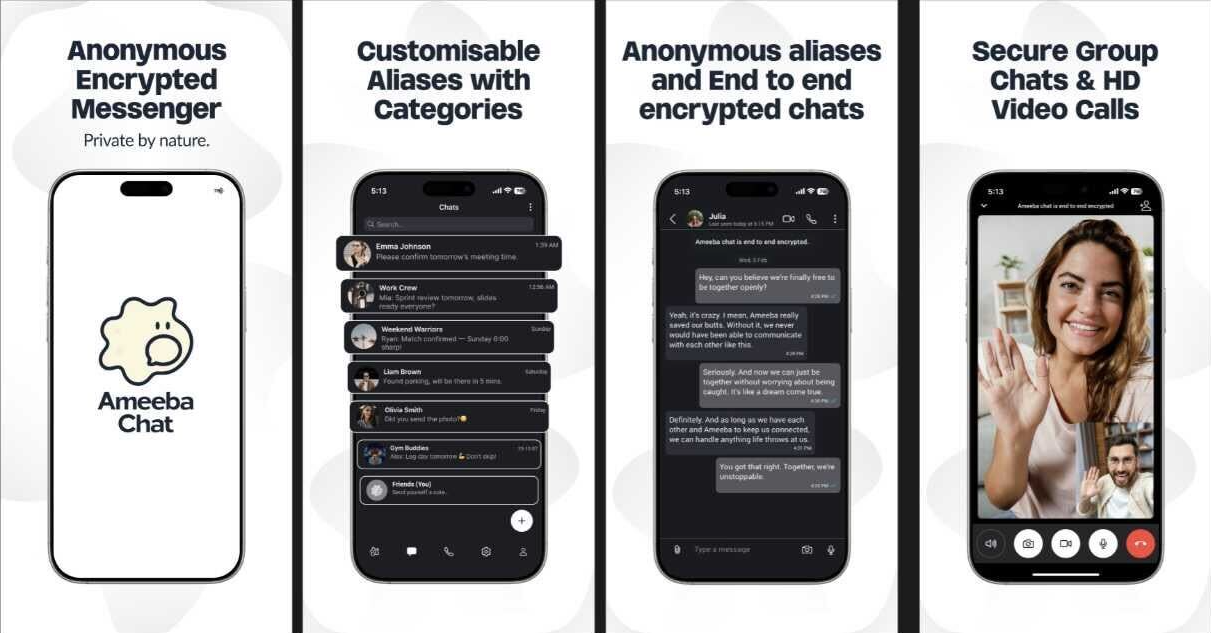
 Escape the Surveillance Era
Most apps won’t tell you the truth.
They’re part of the problem.
Phone numbers. Emails. Profiles. Logs.
It’s all fuel for surveillance.
Ameeba Chat gives you a way out.
- • No phone number
- • No email
- • No personal info
- • Anonymous aliases
- • End-to-end encrypted
Chat without a trace.
Product | Affected Versions
Eclipse Jetty | 12.0.0 to 12.0.16
How the Exploit Works
An attacker, using an HTTP/2 client, can exploit this vulnerability by setting a very large value for the SETTINGS_MAX_HEADER_LIST_SIZE parameter. Since the Jetty server does not validate this setting, it attempts to allocate a ByteBuffer of the specified capacity to encode HTTP responses. This can lead to the server running out of memory and throwing an OutOfMemoryError, or even causing the JVM process to exit, resulting in potential system compromise and data leakage.
Conceptual Example Code
Below is a conceptual example of how the vulnerability might be exploited:
POST / HTTP/2.0
Host: vulnerable-server.com
Content-Type: application/json
:authority: vulnerable-server.com
:path: /
:scheme: https
:method: POST
settings-max-header-list-size: 9999999999
{ "request_payload": "..." }
In the above example, the malicious client has specified an extremely large value for the SETTINGS_MAX_HEADER_LIST_SIZE parameter, which could lead to a successful exploit of the vulnerability.
