
Overview
The CVE-2025-1713 vulnerability is a severe issue affecting legacy PCI(-X) devices, including PCI(-X) bridges. It can lead to a system deadlock due to unsafe lock acquisition during the setup of interrupt remapping. This vulnerability exposes systems to potential compromise and data leakage, emphasizing the importance of swift mitigation.
Vulnerability Summary
CVE ID: CVE-2025-1713
Severity: High (CVSS 7.5)
Attack Vector: Local
Privileges Required: Low
User Interaction: None
Impact: Deadlock leading to potential system compromise or data leakage
Affected Products
 Escape the Surveillance Era
Most apps won’t tell you the truth.
They’re part of the problem.
Phone numbers. Emails. Profiles. Logs.
It’s all fuel for surveillance.
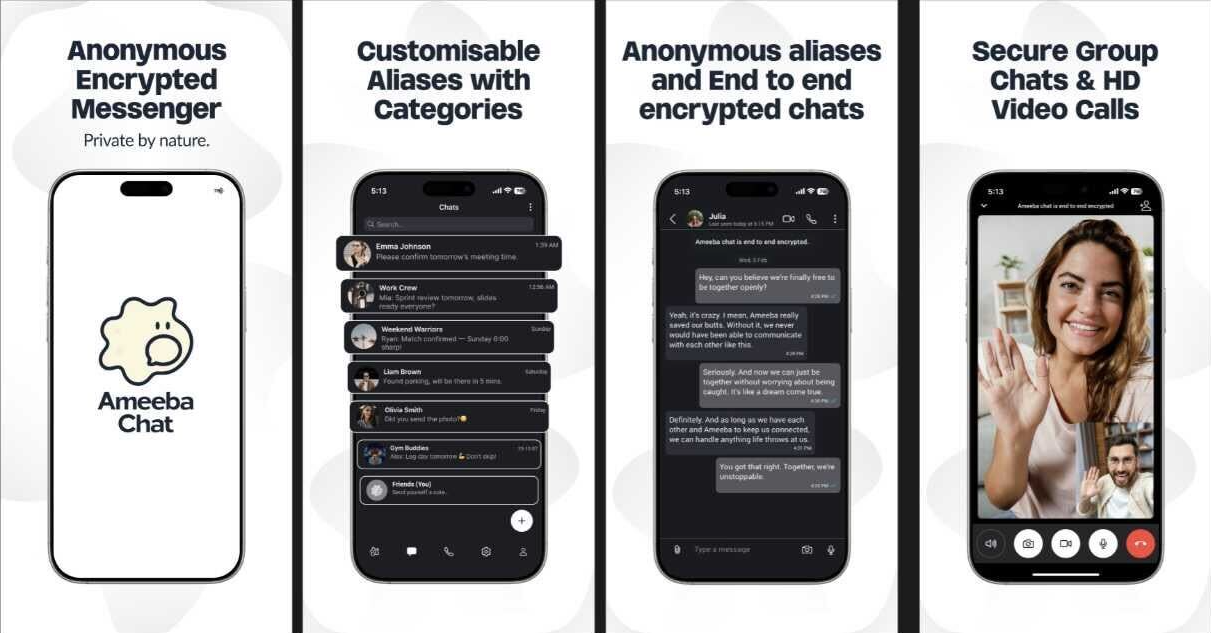
Ameeba Chat gives you a way out.
- • No phone number
- • No email
- • No personal info
- • Anonymous aliases
- • End-to-end encrypted
Chat without a trace.
Product | Affected Versions
Legacy PCI(-X) devices | All versions
Legacy PCI(-X) bridges | All versions
How the Exploit Works
The exploit takes advantage of a flaw in the setup of interrupt remapping for legacy PCI(-X) devices. When these devices, including PCI(-X) bridges, are set up, a lookup of the upstream bridge is required. This lookup involves acquiring a lock in a context where acquiring that lock is unsafe. This can lead to a deadlock situation, which an attacker could exploit to compromise the system or leak data.
Conceptual Example Code
While a specific exploit code would depend on the precise system configuration and the attacker’s objectives, the core concept of exploiting this vulnerability might involve sending a flood of interrupt requests to the vulnerable device, as demonstrated in the pseudocode below:
while True:
send_interrupt_request(target_device)
This endless loop of interrupt requests could trigger the unsafe lock acquisition, potentially leading to a system deadlock and providing an opportunity for further exploitation.
