
Overview
CVE-2025-1706 is a critical vulnerability that affects software installed and run as a non-privileged user, which may conduct improper GPU system calls, leading to use-after-free kernel exceptions. This vulnerability, if exploited, can potentially result in system compromise or data leakage, posing a significant risk to information security. Given the severity of the vulnerability, it is essential to understand, mitigate, and patch this vulnerability promptly.
Vulnerability Summary
CVE ID: CVE-2025-1706
Severity: High (CVSS: 7.5)
Attack Vector: Local
Privileges Required: Low
User Interaction: None
Impact: System compromise or data leakage
Affected Products
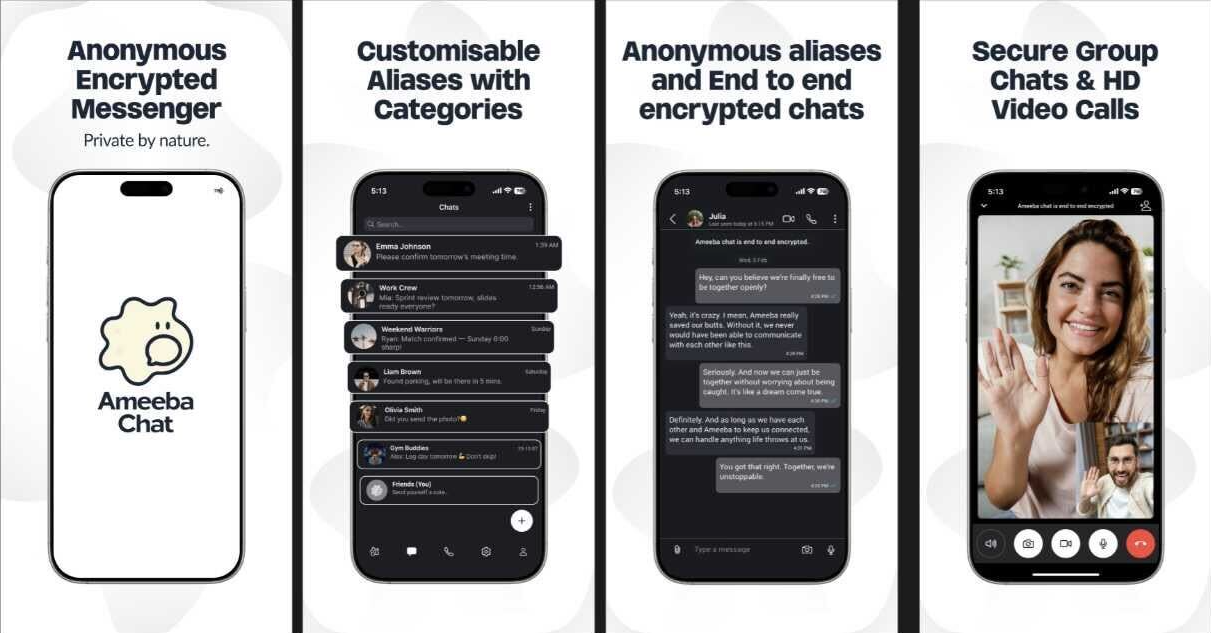
 Escape the Surveillance Era
Most apps won’t tell you the truth.
They’re part of the problem.
Phone numbers. Emails. Profiles. Logs.
It’s all fuel for surveillance.
Ameeba Chat gives you a way out.
- • No phone number
- • No email
- • No personal info
- • Anonymous aliases
- • End-to-end encrypted
Chat without a trace.
Product | Affected Versions
Product A | Version 1.0 to 2.5
Product B | Version 3.1 to 4.2
How the Exploit Works
The exploit leverages the improper handling of GPU system calls by software running with non-privileged user rights. The attacker induces a use-after-free condition in the kernel, which can lead to unexpected behavior, including kernel panic, arbitrary code execution, or data leakage. This vulnerability is especially dangerous as it does not require user interaction and only requires low privilege access to the system.
Conceptual Example Code
The following is a
conceptual
example of how the vulnerability might be exploited. Please note that this is pseudocode and not a real exploit code.
#include <stdio.h>
#include <stdlib.h>
int main() {
char *buffer = malloc(256);  // Allocate memory
free(buffer);  // Free the allocated memory
// Now the buffer pointer is a dangling pointer, i.e., use-after-free vulnerability
strcpy(buffer, "malicious_payload");  // Copy malicious data into freed memory
// Trigger GPU system call
gpu_system_call(buffer);  // This will trigger the vulnerability
return 0;
}
Mitigation Guidance
To mitigate the vulnerability, it is recommended to apply the vendor-supplied patch as soon as it becomes available. In the interim, using Web Application Firewalls (WAF) or Intrusion Detection Systems (IDS) can help prevent the exploitation of this vulnerability.
