
Overview
This report explores the DNS Leak vulnerability, labeled as CVE-2025-1566, in Google ChromeOS’s Native System VPN. The vulnerability primarily affects users running the ChromeOS 129.0.6668.36 Dev Channel, and presents a significant security risk due to the potential for data leakage or system compromise.
Vulnerability Summary
CVE ID: CVE-2025-1566
Severity: High (CVSS: 7.5)
Attack Vector: Network
Privileges Required: None
User Interaction: None
Impact: Expose plaintext DNS queries, potential system compromise or data leakage
Affected Products
 Escape the Surveillance Era
Most apps won’t tell you the truth.
They’re part of the problem.
Phone numbers. Emails. Profiles. Logs.
It’s all fuel for surveillance.
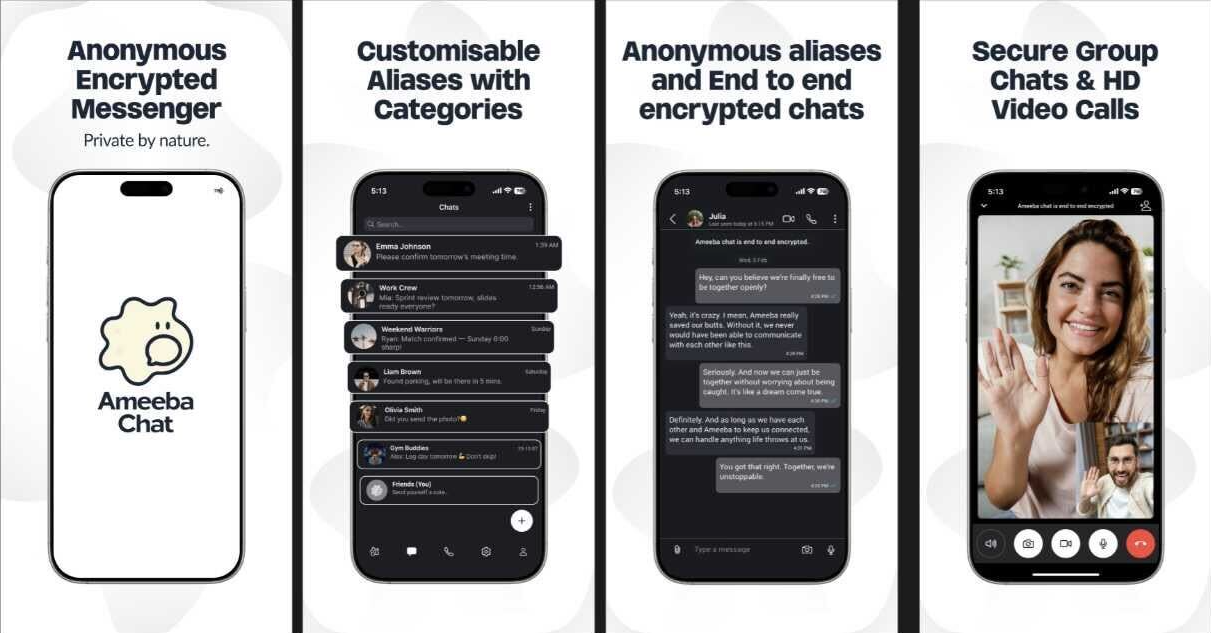
Ameeba Chat gives you a way out.
- • No phone number
- • No email
- • No personal info
- • Anonymous aliases
- • End-to-end encrypted
Chat without a trace.
Product | Affected Versions
Google ChromeOS Dev Channel | 129.0.6668.36
How the Exploit Works
The vulnerability resides in the DNS handling during VPN state transitions in ChromeOS. Under certain conditions, the system fails to properly tunnel DNS traffic, causing DNS queries to leak in plaintext. This can be observed and exploited by network attackers to gain insights into user behavior and network structure, or to carry out more advanced attacks.
Conceptual Example Code
While a direct exploitation code is not applicable due to the nature of this vulnerability, an attacker might observe the network traffic like this:
tcpdump -i eth0 -n port 53This command would monitor the network traffic on interface eth0, looking specifically for DNS traffic (port 53). By running such a command, an attacker could potentially identify leaked DNS queries from the vulnerable VPN system.
Mitigation
Users are advised to apply the vendor patch once available. As a temporary mitigation, users could employ a Web Application Firewall (WAF) or an Intrusion Detection System (IDS) to monitor and filter DNS traffic. Awareness of this vulnerability and its potential impact is crucial to maintaining system security until a permanent fix is implemented.
