
Overview
This report presents a detailed analysis of the CVE-2025-1137 vulnerability, a significant security flaw affecting IBM Storage Scale versions 5.2.2.0 and 5.2.2.1. The vulnerability, due to improper input neutralization, allows authenticated users to execute privileged commands, potentially compromising the system or causing data leakage. This issue is of high importance due to the potential impact on data integrity and system security.
Vulnerability Summary
CVE ID: CVE-2025-1137
Severity: High (7.5 CVSS Score)
Attack Vector: Network
Privileges Required: Low
User Interaction: Required
Impact: Potential system compromise or data leakage
Affected Products
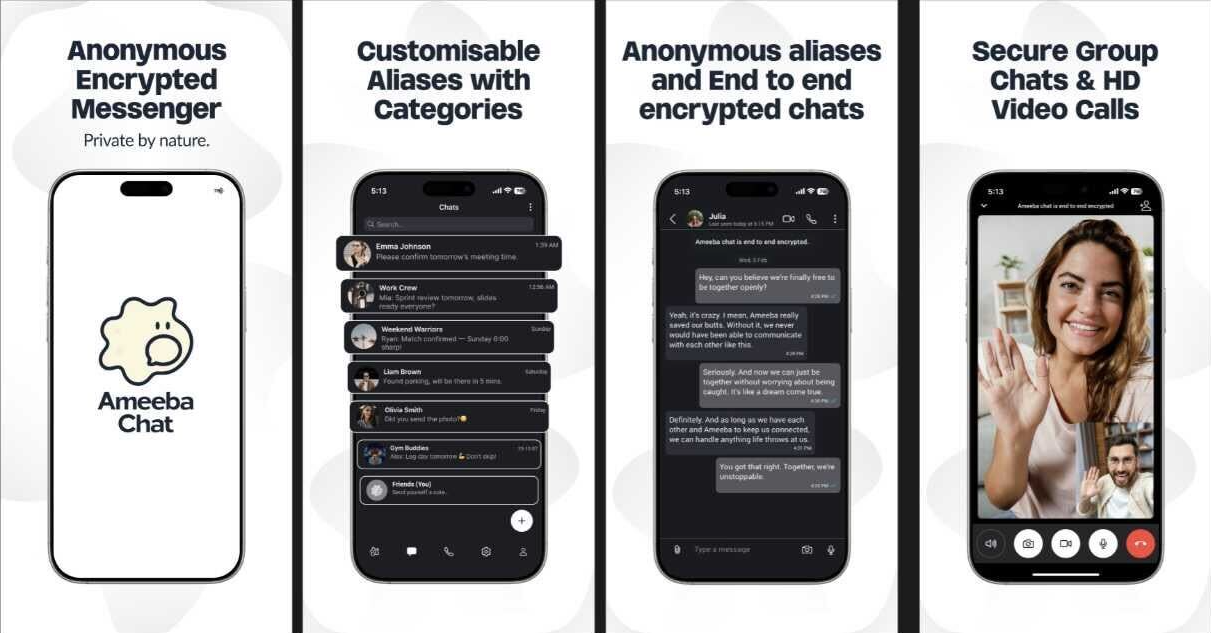
 Escape the Surveillance Era
Most apps won’t tell you the truth.
They’re part of the problem.
Phone numbers. Emails. Profiles. Logs.
It’s all fuel for surveillance.
Ameeba Chat gives you a way out.
- • No phone number
- • No email
- • No personal info
- • Anonymous aliases
- • End-to-end encrypted
Chat without a trace.
Product | Affected Versions
IBM Storage Scale | 5.2.2.0
IBM Storage Scale | 5.2.2.1
How the Exploit Works
In IBM Storage Scale versions 5.2.2.0 and 5.2.2.1, specific configurations allow for improper input neutralization. An authenticated user could manipulate the input to execute privileged commands. This improper neutralization of input during web page generation can be used to craft a command that the software cannot correctly neutralize, leading to system compromise or data leakage.
Conceptual Example Code
Below is a conceptual example of how the vulnerability might be exploited using a shell command:
ssh user@target.example.com 'echo "malicious_command" | sudo -Sv'This command attempts to echo a malicious command into a sudo session, leveraging the improper input neutralization to execute privileged commands.
Mitigation Guidance
Users of IBM Storage Scale 5.2.2.0 and 5.2.2.1 are advised to apply the vendor patch as soon as it is available. In the meantime, using a Web Application Firewall (WAF) or Intrusion Detection System (IDS) can provide temporary mitigation against potential attacks exploiting this vulnerability. Regularly monitoring system logs and network traffic for signs of unusual or unauthorized activity can also assist in early detection of attempts to exploit this vulnerability.
