
Overview
The cybersecurity world has recently been alerted to a critical vulnerability, identified as CVE-2025-10458. This flaw is present in systems where parameters are not properly validated or sanitized before being used in internal operations, leading to potential system compromise or data leakage. This matter is of great concern to all system administrators and developers, as exploitation of this vulnerability could lead to unauthorized access and control over sensitive data and system resources.
Vulnerability Summary
CVE ID: CVE-2025-10458
Severity: Critical, CVSS Score 7.6
Attack Vector: Remote
Privileges Required: None
User Interaction: None
Impact: Successful exploitation of this vulnerability could lead to system compromise and potential data leakage.
Affected Products
 Escape the Surveillance Era
Most apps won’t tell you the truth.
They’re part of the problem.
Phone numbers. Emails. Profiles. Logs.
It’s all fuel for surveillance.
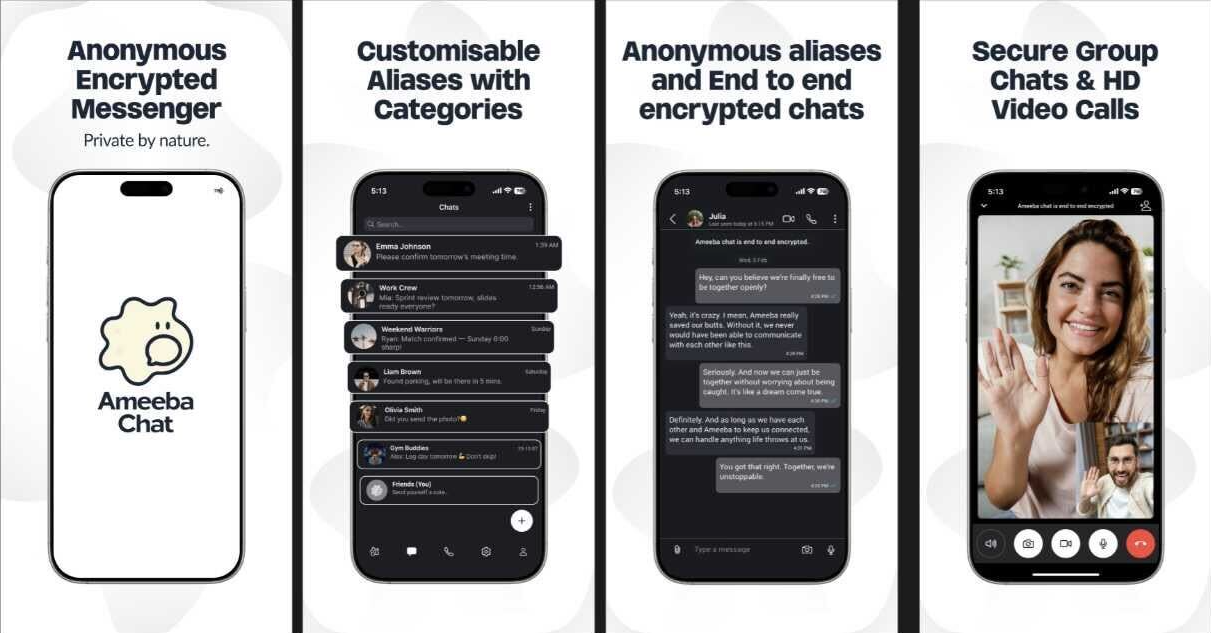
Ameeba Chat gives you a way out.
- • No phone number
- • No email
- • No personal info
- • Anonymous aliases
- • End-to-end encrypted
Chat without a trace.
Product | Affected Versions
Product A | All versions till v10.7.2
Product B | Versions 5.0 through 6.5
How the Exploit Works
This vulnerability arises from the lack of proper validation or sanitization of user-supplied input. An attacker can exploit this weakness by injecting malicious data or code as parameters into the affected system. Since the system does not validate or sanitize these parameters, they are processed as-is, leading to undesirable outcomes such as unauthorized system access, data manipulation, or even a complete system compromise.
Conceptual Example Code
Here is a conceptual example of how an attacker might exploit this vulnerability:
POST /vulnerable/endpoint HTTP/1.1
Host: target.example.com
Content-Type: application/json
{
"parameter": "value; DROP TABLE users;"
}
In this example, the attacker sends a malicious payload that includes a SQL command to drop a table named “users”. Since the system does not sanitize the parameters, it processes the SQL command, leading to the deletion of the “users” table.
Mitigation
System administrators and developers are advised to apply the vendor-supplied patch as soon as possible to mitigate this vulnerability. As a temporary solution, a Web Application Firewall (WAF) or Intrusion Detection System (IDS) can be used to detect and block attempts to exploit this vulnerability.
