
Overview
The CVE-2025-0993 is a critical vulnerability discovered in GitLab CE/EE that affects multiple versions of the software. If exploited, an authenticated attacker could exhaust server resources, causing a denial of service (DoS) condition. As GitLab is widely used for software development and collaboration, this vulnerability could potentially impact a large number of users and organizations.
Vulnerability Summary
CVE ID: CVE-2025-0993
Severity: High (7.5 CVSS Score)
Attack Vector: Network
Privileges Required: Low (Authenticated)
User Interaction: None
Impact: Denial of Service (DoS), potential system compromise, and potential data leakage
Affected Products
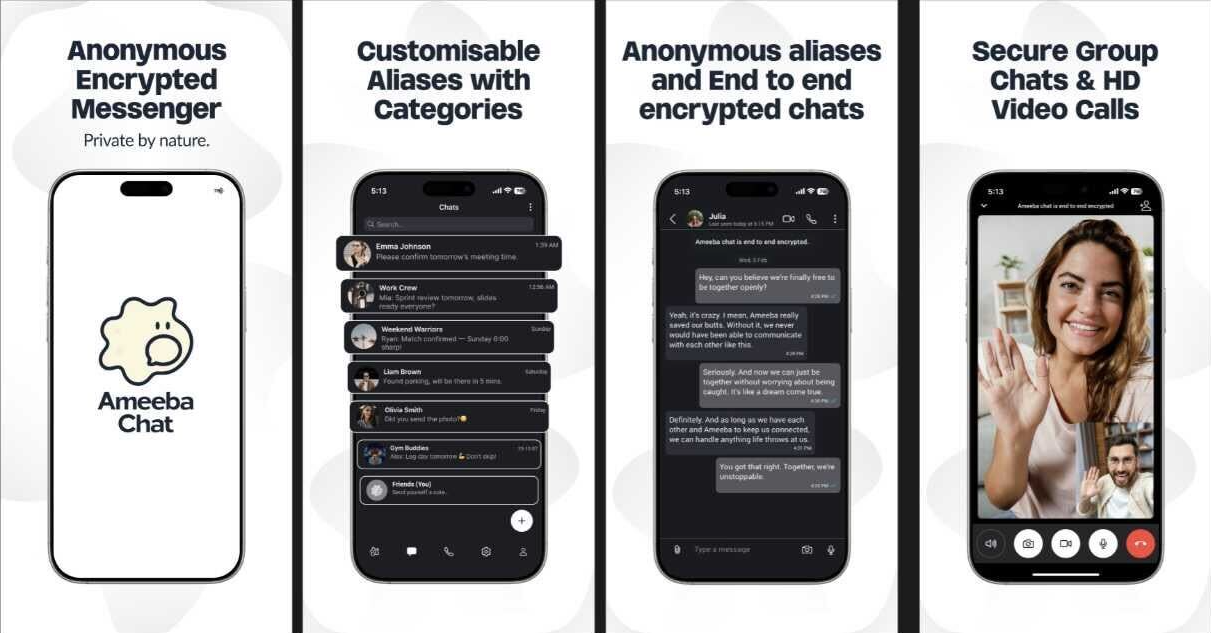
 Escape the Surveillance Era
Most apps won’t tell you the truth.
They’re part of the problem.
Phone numbers. Emails. Profiles. Logs.
It’s all fuel for surveillance.
Ameeba Chat gives you a way out.
- • No phone number
- • No email
- • No personal info
- • Anonymous aliases
- • End-to-end encrypted
Chat without a trace.
Product | Affected Versions
GitLab CE | versions before 17.10.7
GitLab EE | 17.11 before 17.11.3, 18.0 before 18.0.1
How the Exploit Works
An authenticated attacker can exploit this vulnerability by sending a series of requests designed to consume excessive system resources. This is done by leveraging a flaw in the software’s resource allocation, causing it to allocate more resources than necessary or to fail to properly release resources after use. As a result, the server can become overwhelmed and unable to service legitimate requests, leading to a denial of service.
Conceptual Example Code
Below is a conceptual example of a malicious request that could exploit this vulnerability. In practice, the specifics of the “malicious_payload” would depend on the exact nature of the resource allocation flaw.
POST /api/v4/projects HTTP/1.1
Host: target.example.com
Content-Type: application/json
{ "malicious_payload": "..." }
Please note that the actual exploit would require detailed knowledge of the specific flaw and might involve multiple such requests.
Mitigation Guidance
As soon as possible, affected users should apply the vendor-provided patch to fix this vulnerability. If immediate patching is not feasible, using a Web Application Firewall (WAF) or Intrusion Detection System (IDS) can provide temporary mitigation. However, these measures are not a substitute for patching and should only be used as a stop-gap measure.
