
Overview
The following report provides a comprehensive analysis of the CVE-2024-6648 vulnerability, a critical flaw found in AP Page Builder versions prior to 4.0.0. This vulnerability allows an unauthenticated remote user to modify system files, potentially compromising the system or leading to data leakage. It is of high importance due to the potential for widespread unauthorized access and data exposure.
Vulnerability Summary
CVE ID: CVE-2024-6648
Severity: High (7.5 CVSS score)
Attack Vector: Network
Privileges Required: None
User Interaction: None
Impact: Potential system compromise and data leakage
Affected Products
 Escape the Surveillance Era
Most apps won’t tell you the truth.
They’re part of the problem.
Phone numbers. Emails. Profiles. Logs.
It’s all fuel for surveillance.
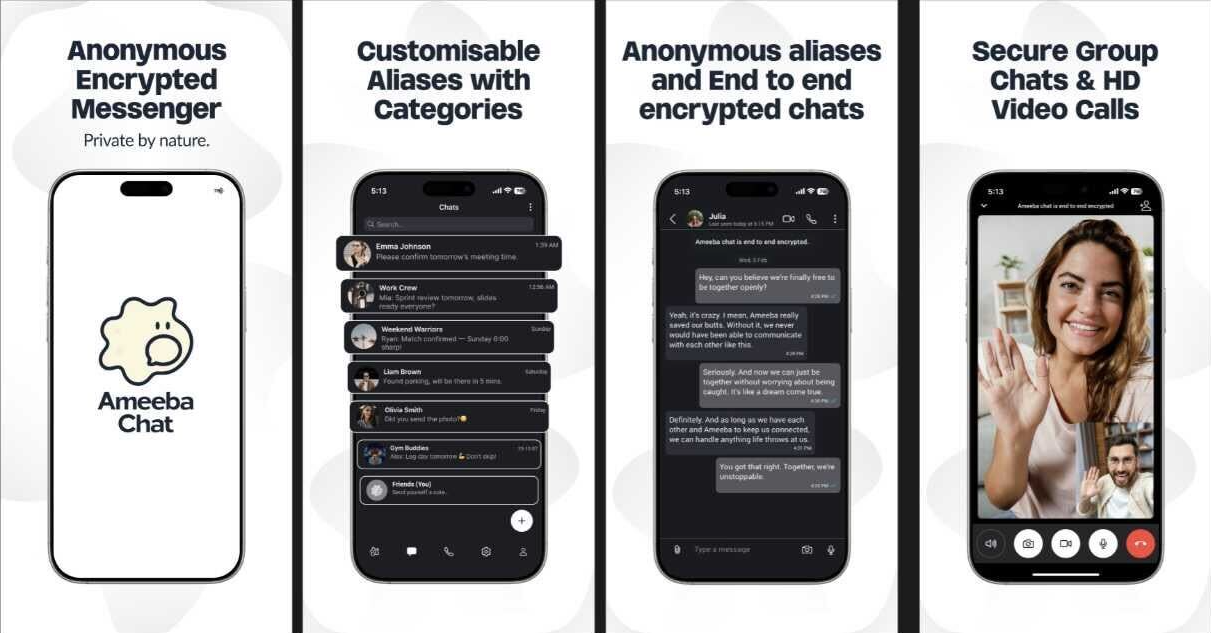
Ameeba Chat gives you a way out.
- • No phone number
- • No email
- • No personal info
- • Anonymous aliases
- • End-to-end encrypted
Chat without a trace.
Product | Affected Versions
AP Page Builder | Versions Prior to 4.0.0
How the Exploit Works
The CVE-2024-6648 vulnerability is an Absolute Path Traversal flaw that enables an unauthenticated remote user to modify the ‘product_item_path’ within the ‘config’ JSON file. This modification permits the attacker to read any file on the system, potentially leading to unauthorized data access or complete system compromise.
Conceptual Example Code
Below is a conceptual example of how this vulnerability might be exploited. In this example, an HTTP POST request is used to send a malicious payload to the target system:
POST /APPageBuilder/config HTTP/1.1
Host: target.example.com
Content-Type: application/json
{ "product_item_path": "/etc/passwd" }
In this case, the attacker attempts to modify the ‘product_item_path’ to point to the ‘/etc/passwd’ system file, a common target for those seeking unauthorized access to system user data.
Mitigation Guidance
Users of AP Page Builder are strongly advised to apply the vendor patch to correct this vulnerability. In situations where immediate patching is not feasible, the use of a Web Application Firewall (WAF) or Intrusion Detection System (IDS) can offer temporary mitigation.
