
Overview
The CVE-2024-57152 vulnerability indicates an incorrect access control issue in my-site v1.0.2. This vulnerability allows unauthenticated attackers to access sensitive components of the system. It is a crucial cybersecurity concern as it could potentially lead to system compromise or data leakage.
Vulnerability Summary
CVE ID: CVE-2024-57152
Severity: High (7.5 CVSS Score)
Attack Vector: Network
Privileges Required: None
User Interaction: None
Impact: Unauthorized disclosure of information, unauthorized modification, and unauthorized disruption of service
Affected Products
 Escape the Surveillance Era
Most apps won’t tell you the truth.
They’re part of the problem.
Phone numbers. Emails. Profiles. Logs.
It’s all fuel for surveillance.
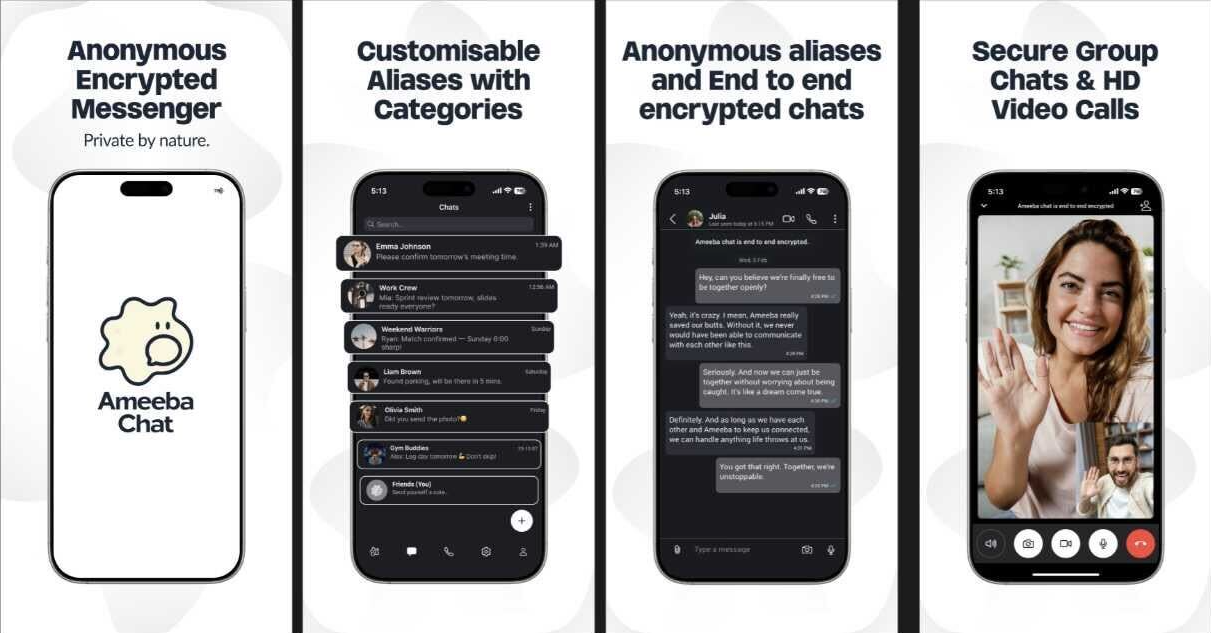
Ameeba Chat gives you a way out.
- • No phone number
- • No email
- • No personal info
- • Anonymous aliases
- • End-to-end encrypted
Chat without a trace.
Product | Affected Versions
my-site | v1.0.2
How the Exploit Works
The vulnerability exists in the preHandle function of the my-site v1.0.2 platform due to incorrect access control. It specifically stems from the cn.luischen.interceptor.BaseInterceptor class. Attackers can exploit this vulnerability by sending a specifically crafted request to the system, thereby gaining unauthorized access to sensitive components without the need for authentication.
Conceptual Example Code
Below is a conceptual example of how the vulnerability might be exploited. This could be a sample HTTP request:
GET /sensitive/data HTTP/1.1
Host: my-site.com
User-Agent: any
Accept: */*
In this instance, a simple GET request could potentially grant the attacker access to sensitive data.
Mitigation and Countermeasures
To mitigate this vulnerability, it is recommended to apply the vendor patch as soon as it is available. Until then, using a Web Application Firewall (WAF) or an Intrusion Detection System (IDS) could serve as temporary mitigation methods. These tools can help to monitor network traffic and block potentially harmful requests, thereby preventing exploitation of this vulnerability.
