
Overview
The cybersecurity world has once again been shaken with the discovery of a new vulnerability, CVE-2024-56526. This flaw resides in the OXID eShop, an ecommerce solution, specifically in versions prior to 7. The vulnerability arises from an issue with CMS pages in combination with Smarty, a PHP-based templating engine, leading to the potential exposure of sensitive user information. This vulnerability is a serious concern for any online retailer using OXID eShop, as it could lead to system compromise or data leakage.
Vulnerability Summary
CVE ID: CVE-2024-56526
Severity: High (7.5/10)
Attack Vector: Network
Privileges Required: None
User Interaction: None
Impact: Exposure of sensitive information and potential system compromise
Affected Products
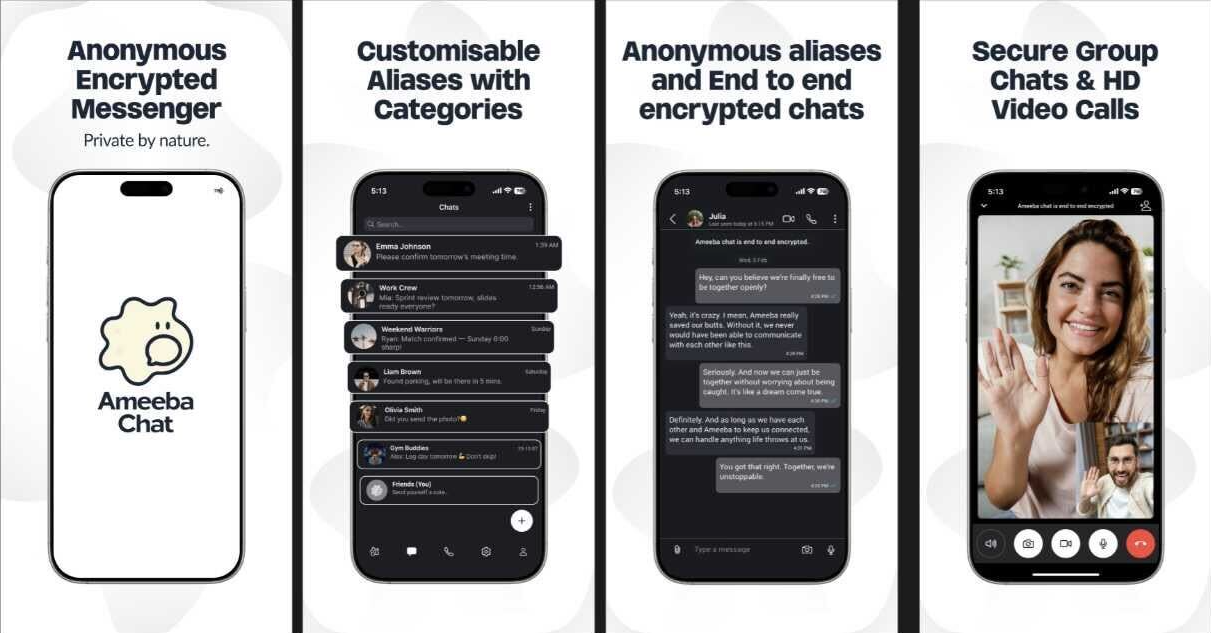
 Escape the Surveillance Era
Most apps won’t tell you the truth.
They’re part of the problem.
Phone numbers. Emails. Profiles. Logs.
It’s all fuel for surveillance.
Ameeba Chat gives you a way out.
- • No phone number
- • No email
- • No personal info
- • Anonymous aliases
- • End-to-end encrypted
Chat without a trace.
Product | Affected Versions
OXID eShop | Before 7
How the Exploit Works
The vulnerability is a result of a combination of CMS pages and the Smarty templating engine. If a CMS page contains a Smarty syntax error, user information may be displayed inadvertently. This flaw can be exploited remotely by malicious actors, who could use it to extract sensitive user data or potentially gain unauthorized access to the system.
Conceptual Example Code
Here is a conceptual example of how an attacker might exploit this vulnerability, by crafting a malicious payload designed to trigger a Smarty syntax error:
GET /cms/page-with-smarty-error HTTP/1.1
Host: vulnerable-eshop.example.com
Once the request is processed, the server could respond with a page containing exposed user information due to the Smarty syntax error.
Mitigation
The simplest and most effective mitigation for this issue is to apply the vendor-provided patch. For those unable to immediately apply the patch, a possible temporary measure could be the use of a Web Application Firewall (WAF) or Intrusion Detection System (IDS) to detect and block attempts to exploit the vulnerability.
