
Overview
The vulnerability CVE-2024-56468 is a serious cybersecurity risk that affects IBM’s InfoSphere Data Replication VSAM for z/OS Remote Source 11.4. This potential breach can allow a remote user to cause a denial of service by sending an invalid HTTP request to the log reading service.
Vulnerability Summary
CVE ID: CVE-2024-56468
Severity: High, CVSS score 7.5
Attack Vector: Network
Privileges Required: None
User Interaction: None
Impact: Denial of Service, potential system compromise or data leakage
Affected Products
 Escape the Surveillance Era
Most apps won’t tell you the truth.
They’re part of the problem.
Phone numbers. Emails. Profiles. Logs.
It’s all fuel for surveillance.
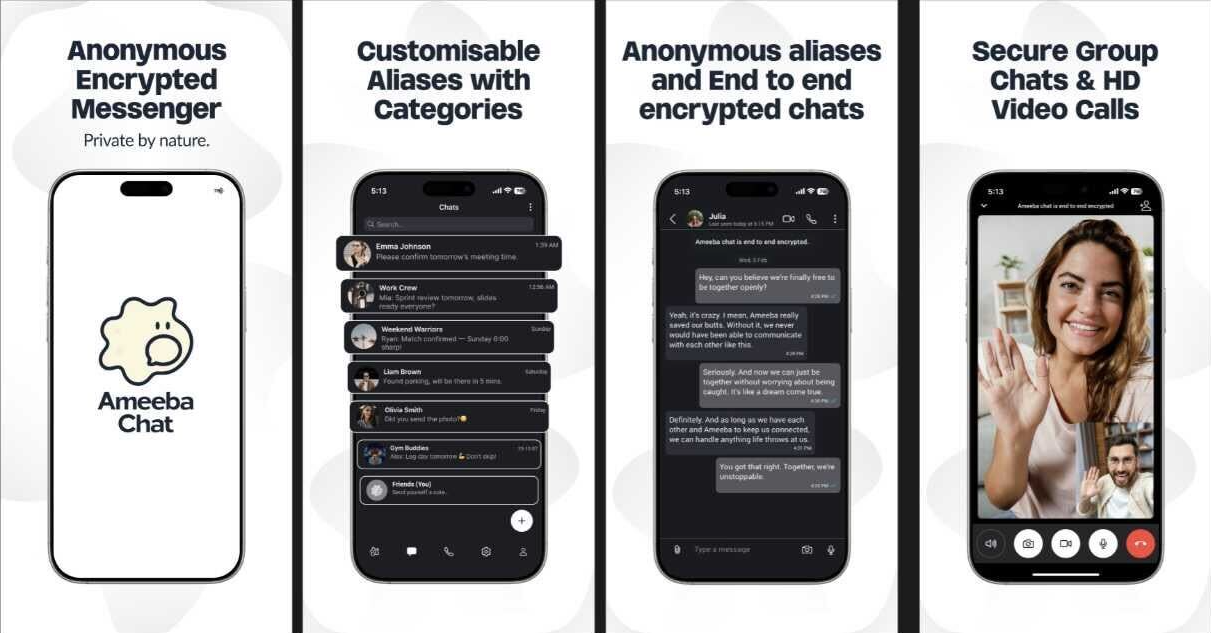
Ameeba Chat gives you a way out.
- • No phone number
- • No email
- • No personal info
- • Anonymous aliases
- • End-to-end encrypted
Chat without a trace.
Product | Affected Versions
IBM InfoSphere Data Replication VSAM for z/OS Remote Source | 11.4
How the Exploit Works
The exploit takes advantage of an error handling mechanism in the log reading service of the affected product. An attacker can send an invalid HTTP request to this service, which fails to handle the request correctly and crashes, resulting in a denial of service. This could potentially compromise the system or lead to data leakage.
Conceptual Example Code
Given the nature of the exploit, an attacker might use a malformed HTTP request to trigger the vulnerability. Here is a conceptual example of what such a request might look like:
GET /log/invalid_endpoint HTTP/1.1
Host: target.example.com
This request aims at a non-existing endpoint (‘/log/invalid_endpoint’) in the log reading service. The service, unable to handle this invalid request properly, could crash and cause a denial of service.
Mitigation
Users are advised to apply the vendor-supplied patch to fix this vulnerability. If the patch cannot be applied immediately, using a Web Application Firewall (WAF) or an Intrusion Detection System (IDS) can provide temporary mitigation. These systems can be configured to block malformed HTTP requests to the log reading service, preventing the exploit from triggering the vulnerability.
