
Overview
The vulnerability identified as CVE-2024-55073 is a Broken Object Level Authorization vulnerability found in hay-kot mealie v2.2.0. This vulnerability specifically exists in the component /api/users/{user-id}. It allows users to edit their own profile granting themselves more permissions, or to change their household. This vulnerability affects all users of the hay-kot mealie v2.2.0 and it is crucial due to the potential system compromise or data leakage.
Vulnerability Summary
CVE ID: CVE-2024-55073
Severity: High (CVSS: 7.6)
Attack Vector: Network
Privileges Required: Low
User Interaction: Required
Impact: System compromise, unauthorized access and potential data leakage
Affected Products
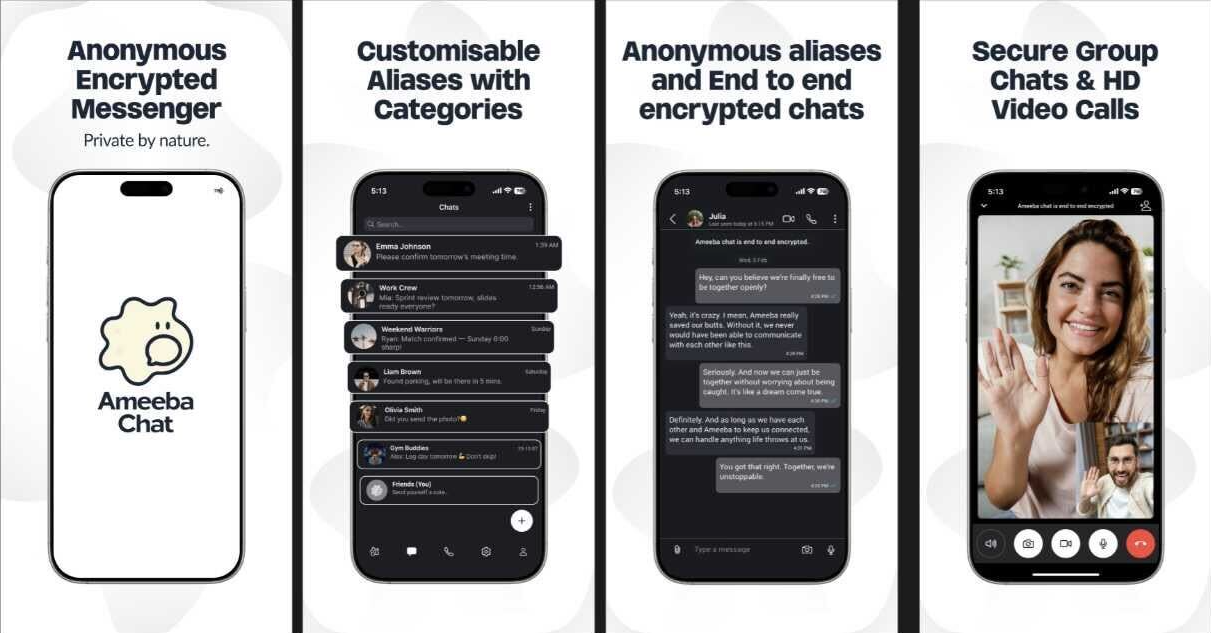
 Escape the Surveillance Era
Most apps won’t tell you the truth.
They’re part of the problem.
Phone numbers. Emails. Profiles. Logs.
It’s all fuel for surveillance.
Ameeba Chat gives you a way out.
- • No phone number
- • No email
- • No personal info
- • Anonymous aliases
- • End-to-end encrypted
Chat without a trace.
Product | Affected Versions
hay-kot mealie | v2.2.0
How the Exploit Works
The exploit works by manipulating the object identifiers in the /api/users/{user-id} component. An attacker can edit their profile to assign themselves higher permissions or to change their household. This could potentially allow the attacker to gain unauthorized access to data or functionality that should be restricted to higher privilege levels.
Conceptual Example Code
Here’s a conceptual example of how the vulnerability might be exploited using an HTTP request:
PUT /api/users/{user-id} HTTP/1.1
Host: target.example.com
Content-Type: application/json
{
"user": {
"id": "{user-id}",
"role": "admin",
"household": "new_household"
}
}
In this example, the attacker changes their role to “admin” and alters their household to “new_household”.
Mitigation Guidance
The primary recommended mitigation strategy is to apply the patch provided by the vendor. In the interim, employing a Web Application Firewall (WAF) or Intrusion Detection System (IDS) can provide temporary mitigation. It’s crucial to validate incoming requests to the /api/users/{user-id} endpoint to prevent unauthorized modification of user profiles.
