
Overview
CVE-2024-52504 is a significant security vulnerability affecting various versions of SIPROTEC 4 devices. This flaw allows an unauthenticated remote attacker to cause a denial of service condition by exploiting inadequate handling of interrupted file transfer operations. The vulnerability is of critical concern due to its potential to compromise the security of systems or lead to data leakage.
Vulnerability Summary
CVE ID: CVE-2024-52504
Severity: High (7.5 CVSS score)
Attack Vector: Network
Privileges Required: None
User Interaction: None
Impact: Denial of Service; potential data leakage and system compromise
Affected Products
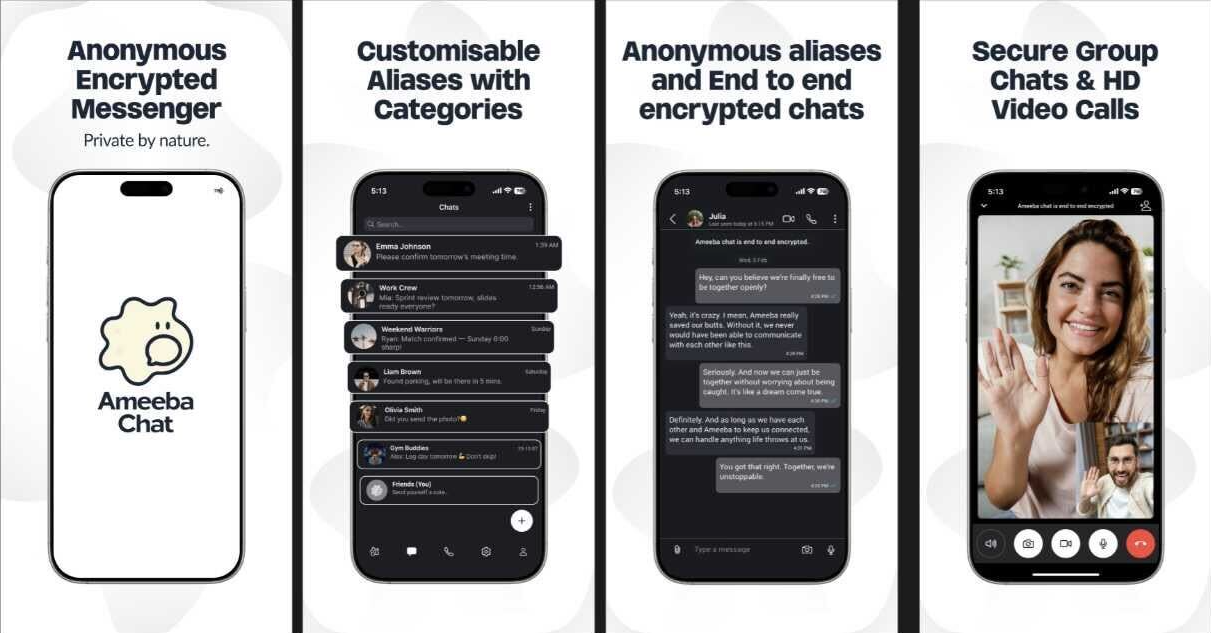
 Escape the Surveillance Era
Most apps won’t tell you the truth.
They’re part of the problem.
Phone numbers. Emails. Profiles. Logs.
It’s all fuel for surveillance.
Ameeba Chat gives you a way out.
- • No phone number
- • No email
- • No personal info
- • Anonymous aliases
- • End-to-end encrypted
Chat without a trace.
Product | Affected Versions
SIPROTEC 4 6MD61 | All versions
SIPROTEC 4 6MD63 | All versions
SIPROTEC 4 Compact 7RW80 | All versions
How the Exploit Works
The vulnerability originates from the improper handling of file transfer operations by SIPROTEC 4 devices. An attacker can exploit this by sending specially crafted network packets that interrupt these operations. This causes the devices to enter a state of denial of service, thereby disrupting normal operations until a restart is performed.
Conceptual Example Code
Though the exact method of exploitation might differ depending on the specific device and its configuration, a conceptual example of an attack might look like this:
POST /filetransfer HTTP/1.1
Host: target-siprotec-device.com
Content-Type: multipart/form-data
Content-Length: [length]
{ "file": "<malicious interruption>" }
In this example, the attacker sends a POST request to the file transfer endpoint of the target SIPROTEC device. The content of the request is designed to interrupt file transfer operations, leading to the denial of service condition.
