
Overview
This report details a significant information disclosure vulnerability, CVE-2024-51769, found in the HPE AutoPass License Server (APLS) versions prior to 9.17. The vulnerability could allow unauthorized users to access sensitive information, leading to potential system compromise or data leakage. This vulnerability is of high interest to any organization using HPE AutoPass License Server due to the risk of exposure of sensitive and potentially proprietary information.
Vulnerability Summary
CVE ID: CVE-2024-51769
Severity: High (CVSS: 7.5)
Attack Vector: Network
Privileges Required: None
User Interaction: None
Impact: Unauthorized disclosure of information leading to potential system compromise or data leakage
Affected Products
 Escape the Surveillance Era
Most apps won’t tell you the truth.
They’re part of the problem.
Phone numbers. Emails. Profiles. Logs.
It’s all fuel for surveillance.
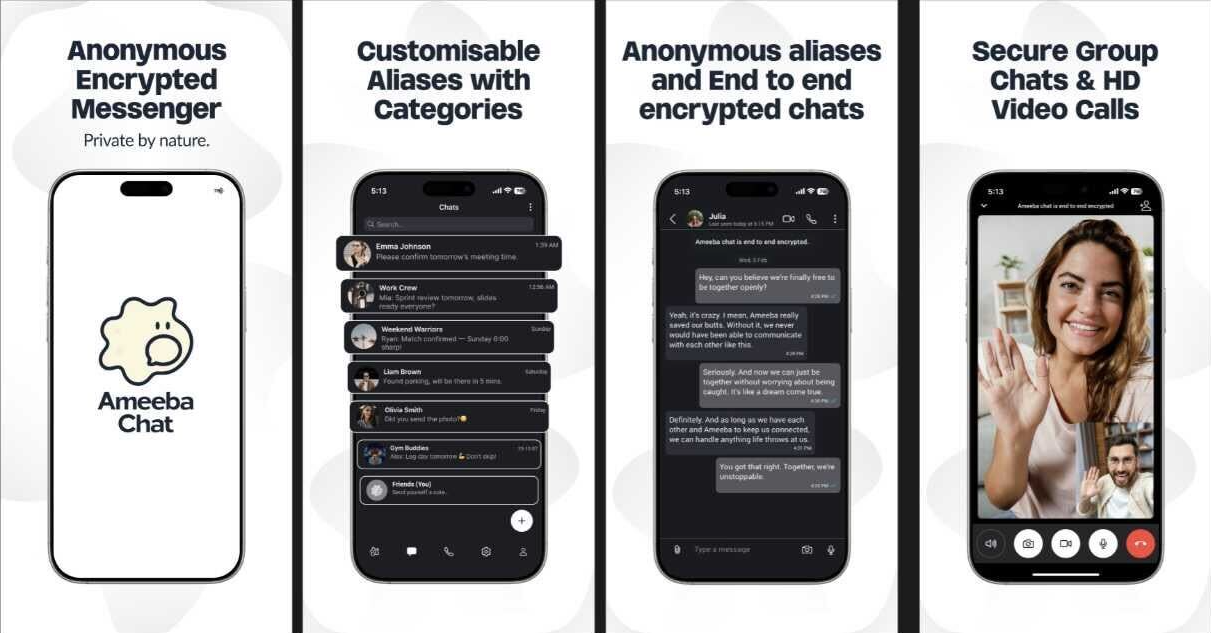
Ameeba Chat gives you a way out.
- • No phone number
- • No email
- • No personal info
- • Anonymous aliases
- • End-to-end encrypted
Chat without a trace.
Product | Affected Versions
HPE AutoPass License Server (APLS) | Prior to 9.17
How the Exploit Works
The CVE-2024-51769 vulnerability is exploited when an attacker sends a specially crafted request to the HPE AutoPass License Server. Due to improper security controls, the server may disclose sensitive information in response to the request. This information could then be used to perform further attacks, leading to system compromise or the leakage of confidential data.
Conceptual Example Code
Here’s a conceptual HTTP request that might exploit this vulnerability:
GET /api/vulnerable_endpoint HTTP/1.1
Host: target.example.com
Accept: */*
The above request could potentially trigger the information disclosure vulnerability, returning sensitive data in the response. Note that this is a simplified example and real-world exploitation could be considerably more complex, involving the use of additional techniques to circumvent security measures or to maximize the impact of the exploit.
