
Overview
A critical vulnerability, identified as CVE-2024-4981, has been discovered in the Pagure server software. This vulnerability, if exploited, could allow a malicious user to submit a Git repository with symbolic links, leading to unintentional incorporation and visibility of contents from outside the Git repository. As a result, this could potentially lead to a full system compromise or data leakage, posing a significant threat to any organization utilizing this software.
Vulnerability Summary
CVE ID: CVE-2024-4981
Severity: High (7.6 CVSS score)
Attack Vector: Network
Privileges Required: Low
User Interaction: None
Impact: Potential system compromise and data leakage
Affected Products
 Escape the Surveillance Era
Most apps won’t tell you the truth.
They’re part of the problem.
Phone numbers. Emails. Profiles. Logs.
It’s all fuel for surveillance.
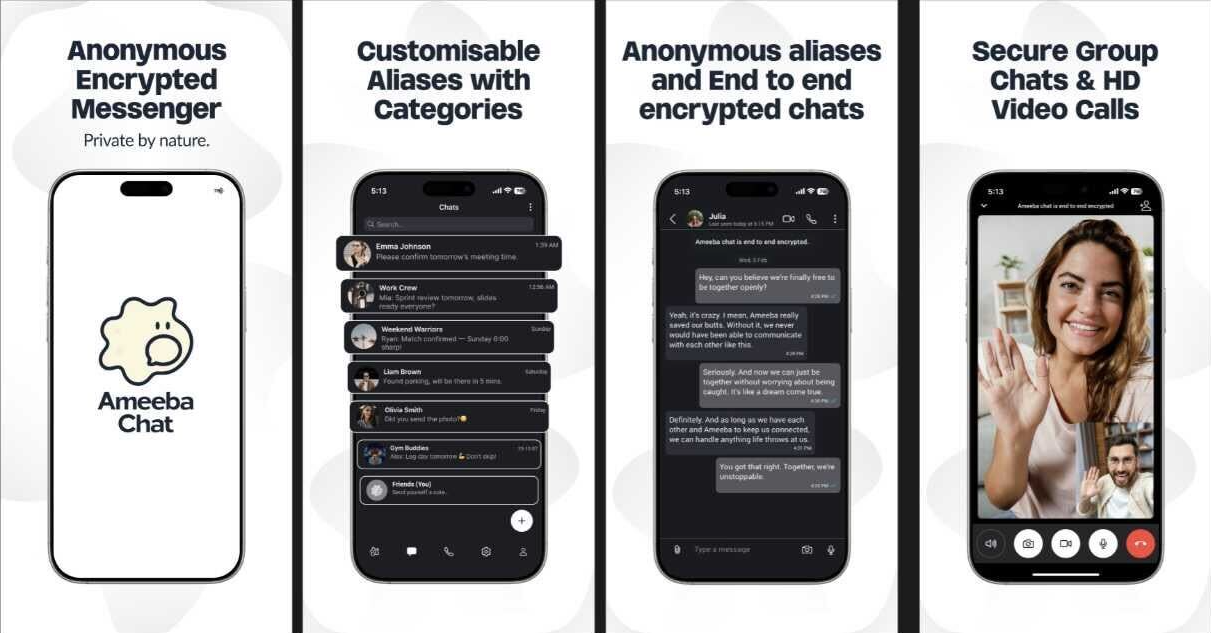
Ameeba Chat gives you a way out.
- • No phone number
- • No email
- • No personal info
- • Anonymous aliases
- • End-to-end encrypted
Chat without a trace.
Product | Affected Versions
Pagure Server | All versions prior to vendor patch
How the Exploit Works
The exploit operates by a malicious user submitting a Git repository with symbolic links to the Pagure server. Pagure, not properly handling or resolving these symbolic links, inadvertently incorporates and makes visible contents from outside the Git repository. This results in exposure of potentially sensitive information that could be used for further attacks or compromises.
Conceptual Example Code
While no specific exploit code is available, a conceptual example may involve the creation of a symbolic link in a Git repository that points to a sensitive area of the system. This could be done with a command like:
ln -s /etc/passwd ./malicious_symlinkThe malicious repository, when pushed to the Pagure server, could then expose the contents of /etc/passwd, leading to potential system compromise.
Recommended Mitigation
To mitigate this vulnerability, it is recommended that users apply any available vendor patches as soon as possible. As a temporary measure, a Web Application Firewall (WAF) or Intrusion Detection System (IDS) can be used to detect and prevent attempts to exploit this vulnerability. Regularly updating and patching software is the best defense against such vulnerabilities.
