
Overview
This report discusses a critical vulnerability, CVE-2024-48907, that affects the application server API of Sematell ReplyOne 7.4.3.0. The vulnerability exposes the system to a Server-Side Request Forgery (SSRF) attack, posing a significant threat to data security and system integrity. The potentially affected entities include organizations and individuals utilizing the said version of Sematell ReplyOne.
Vulnerability Summary
CVE ID: CVE-2024-48907
Severity: High (7.5)
Attack Vector: Network
Privileges Required: None
User Interaction: None
Impact: Potential system compromise and data leakage
Affected Products
 Escape the Surveillance Era
Most apps won’t tell you the truth.
They’re part of the problem.
Phone numbers. Emails. Profiles. Logs.
It’s all fuel for surveillance.
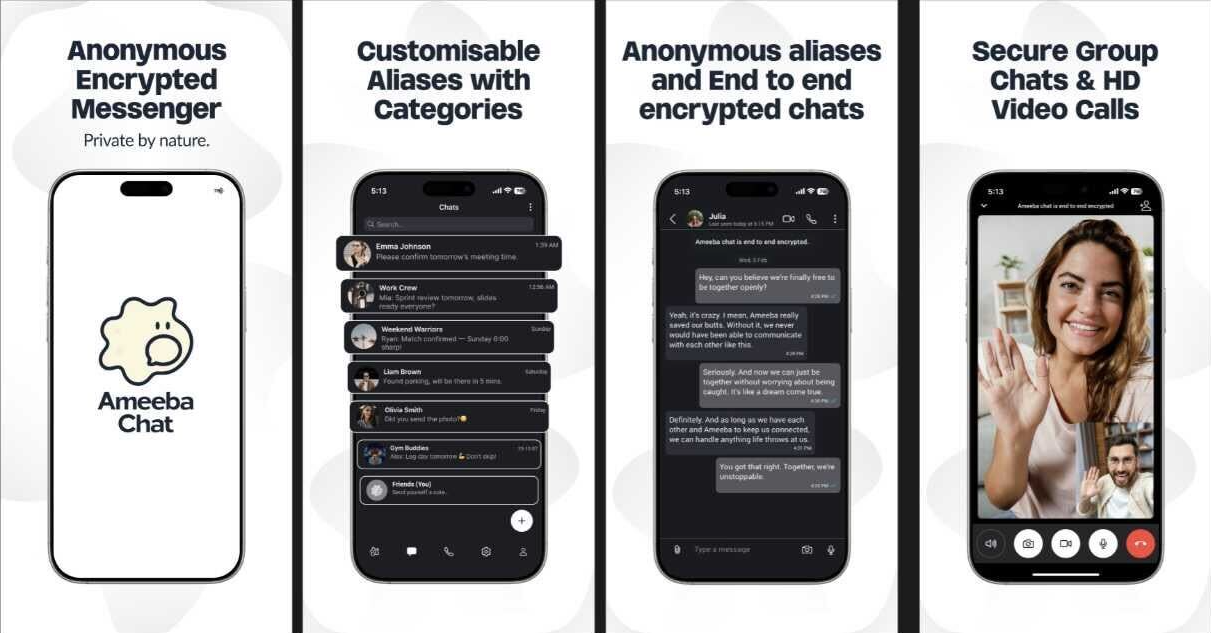
Ameeba Chat gives you a way out.
- • No phone number
- • No email
- • No personal info
- • Anonymous aliases
- • End-to-end encrypted
Chat without a trace.
Product | Affected Versions
Sematell ReplyOne | 7.4.3.0
How the Exploit Works
The vulnerability enables an attacker to craft malicious requests to the application server API of Sematell ReplyOne 7.4.3.0. The crafted requests can manipulate the server into executing unauthorized calls to internal resources, potentially leading to system compromise or data leakage.
Conceptual Example Code
Below is a conceptual example of how an attacker might exploit the vulnerability:
POST /server/api HTTP/1.1
Host: target.example.com
Content-Type: application/json
{
"url": "file:///etc/passwd"
}
In the above example, an attacker uses a malicious payload to trick the server into retrieving sensitive system files, which could then be leaked or used for further attacks.
Mitigation Guidance
To mitigate this vulnerability, it is recommended to apply the vendor’s patch once it becomes available. In the meantime, using a Web Application Firewall (WAF) or an Intrusion Detection System (IDS) can serve as temporary mitigation, potentially preventing the exploitation of this vulnerability.
