
Overview
A critical vulnerability, CVE-2024-42651, has been discovered in NanoMQ v0.17.9, a high-performance messaging system. This vulnerability can be exploited by attackers to cause a Denial of Service (DoS) via a specifically crafted SUBSCRIBE message. It matters because it potentially puts systems at risk of compromise, disrupting operations and potentially leading to data leakage.
Vulnerability Summary
CVE ID: CVE-2024-42651
Severity: High (7.5 CVSS Score)
Attack Vector: Network
Privileges Required: None
User Interaction: None
Impact: Denial of Service, Potential System Compromise and Data Leakage
Affected Products
 Escape the Surveillance Era
Most apps won’t tell you the truth.
They’re part of the problem.
Phone numbers. Emails. Profiles. Logs.
It’s all fuel for surveillance.
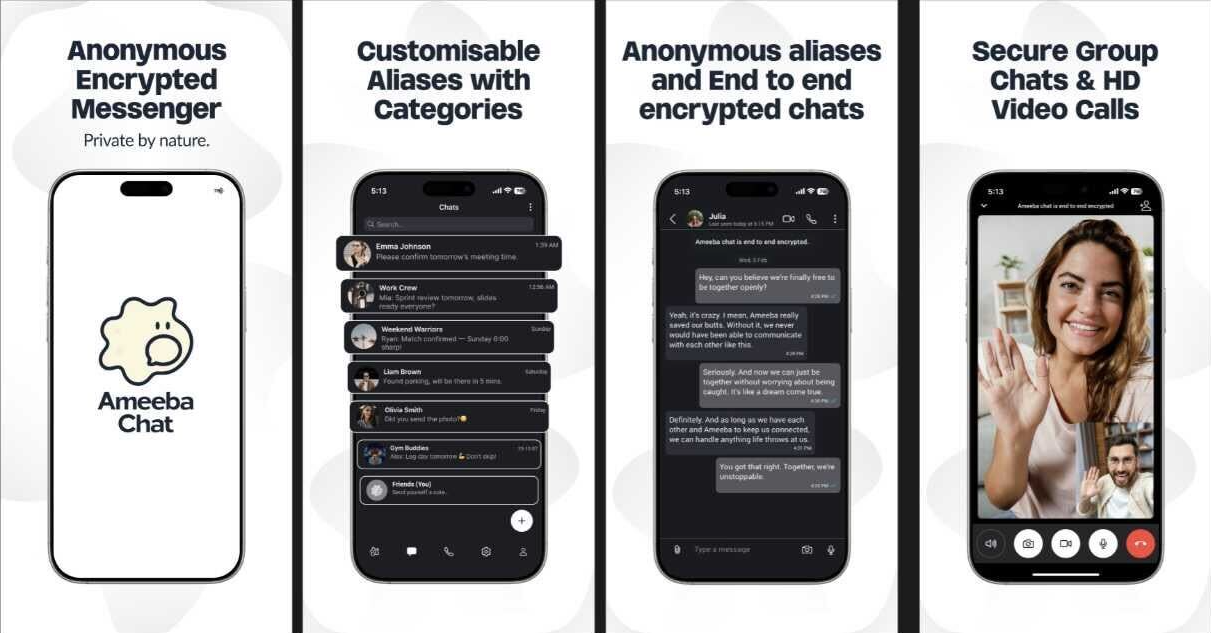
Ameeba Chat gives you a way out.
- • No phone number
- • No email
- • No personal info
- • Anonymous aliases
- • End-to-end encrypted
Chat without a trace.
Product | Affected Versions
NanoMQ | v0.17.9
How the Exploit Works
The vulnerability is a heap use-after-free flaw in the sub_Ctx_handle component of NanoMQ. An attacker can exploit this by sending a specially crafted SUBSCRIBE message to the NanoMQ server. The vulnerability is triggered when the server processes this malicious message, resulting in a use-after-free condition. This can cause the server to crash, leading to a Denial of Service, or potentially allowing arbitrary code execution.
Conceptual Example Code
The following is a conceptual example of how the vulnerability might be exploited. This is not a real exploit code, rather it illustrates the type of malicious SUBSCRIBE message that could be used.
SUBSCRIBE /target_endpoint HTTP/1.1
Host: target.example.com
{ "malicious_payload": "use-after-free trigger" }
Mitigation Guidance
Users are advised to apply the vendor patch as soon as it is available. Until then, a Web Application Firewall (WAF) or Intrusion Detection System (IDS) can be used as temporary mitigation, set to block or alert on anomalous SUBSCRIBE messages. Regular monitoring of the system logs is also recommended to detect any signs of exploitation.
