
Overview
A significant vulnerability has been discovered in NanoMQ version 0.17.5, a lightweight messaging broker. This vulnerability, identified as CVE-2024-42650, could potentially allow malicious actors to cause a Denial of Service (DoS) and compromise system security. This issue holds high importance due to the widespread use of NanoMQ in various communication and data transmission systems.
Vulnerability Summary
CVE ID: CVE-2024-42650
Severity: High (CVSS: 7.5)
Attack Vector: Network
Privileges Required: None
User Interaction: None
Impact: Denial of Service (DoS) and potential system compromise or data leakage
Affected Products
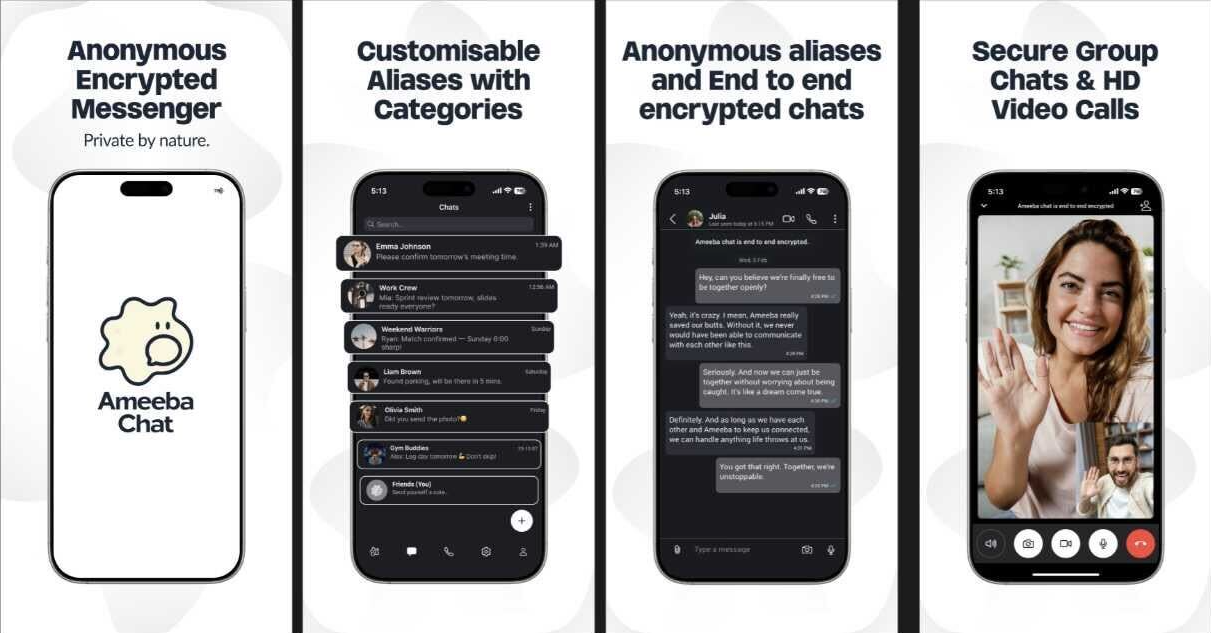
 Escape the Surveillance Era
Most apps won’t tell you the truth.
They’re part of the problem.
Phone numbers. Emails. Profiles. Logs.
It’s all fuel for surveillance.
Ameeba Chat gives you a way out.
- • No phone number
- • No email
- • No personal info
- • Anonymous aliases
- • End-to-end encrypted
Chat without a trace.
Product | Affected Versions
NanoMQ | 0.17.5
How the Exploit Works
The vulnerability resides in the ‘/nanomq/pub_handler.c’ component of NanoMQ. The exploit is triggered when a specifically crafted PUBLISH message is sent to the target system. This malformed message causes a segmentation fault in NanoMQ, leading to a Denial of Service (DoS). In some circumstances, this could also lead to potential system compromise or data leakage.
Conceptual Example Code
A malicious actor could potentially exploit this vulnerability by sending a malformed PUBLISH message similar to the conceptual code below:
POST /nanomq/pub_handler.c HTTP/1.1
Host: target.example.com
Content-Type: application/json
{ "malicious_payload": "crafted PUBLISH message" }
Recommendations for Mitigation
To mitigate this vulnerability, it is recommended that users immediately apply the vendor-provided patch. In cases where immediate patching is not possible, the use of a Web Application Firewall (WAF) or Intrusion Detection System (IDS) can provide temporary mitigation. Regularly updating the software and maintaining a robust cybersecurity infrastructure can also help in protecting against this vulnerability.
