
Overview
The vulnerability, identified as CVE-2024-42644, is present in FlashMQ v1.14.0, a popular messaging and queuing software. This vulnerability is due to an assertion failure in the function PublishCopyFactory::getNewPublish. Attackers could exploit this vulnerability to potentially compromise the system or leak sensitive data. Given the widespread use of FlashMQ, this vulnerability poses a significant risk to numerous systems and data worldwide.
Vulnerability Summary
CVE ID: CVE-2024-42644
Severity: High (7.5)
Attack Vector: Network
Privileges Required: Low
User Interaction: None
Impact: System Compromise or Data Leakage
Affected Products
 Escape the Surveillance Era
Most apps won’t tell you the truth.
They’re part of the problem.
Phone numbers. Emails. Profiles. Logs.
It’s all fuel for surveillance.
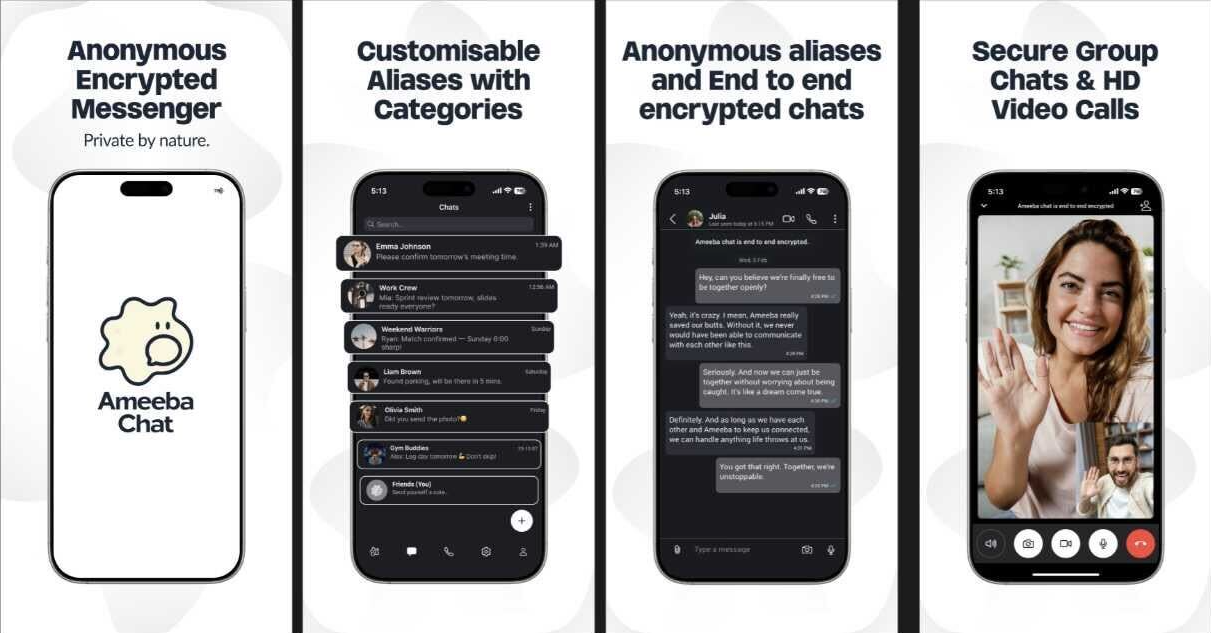
Ameeba Chat gives you a way out.
- • No phone number
- • No email
- • No personal info
- • Anonymous aliases
- • End-to-end encrypted
Chat without a trace.
Product | Affected Versions
FlashMQ | v1.14.0
How the Exploit Works
The vulnerability exploits an assertion failure in the PublishCopyFactory::getNewPublish function of FlashMQ v1.14.0. When the Quality of Service (QoS) value of the publish object exceeds 0, the assertion failure is triggered. This results in abnormal termination of the service, creating an avenue for attackers to exploit the system or leak data.
Conceptual Example Code
The conceptual example below shows how a malicious actor might exploit this vulnerability through a network request with an excessive QoS value:
POST /publish HTTP/1.1
Host: vulnerable.flashmq.com
Content-Type: application/json
{ "QoS": 2, "topic": "test", "message": "test message" }
In this example, the QoS value is set to 2, which is greater than the expected maximum value of 0. This would trigger the assertion failure, potentially leading to system compromise or data leakage.
Mitigation
Users are urged to apply the vendor patch as soon as it becomes available. Until then, use of a Web Application Firewall (WAF) or an Intrusion Detection System (IDS) can serve as temporary mitigation against potential exploitation of this vulnerability.
