
Overview
APTIOV’s BIOS is susceptible to a significant vulnerability, CVE-2024-42446, that permits a local attacker to provoke a Time-of-check Time-of-use (TOCTOU) Race Condition. This vulnerability potentially impacts all systems running affected versions of this BIOS, and its exploitation could lead to a system compromise or data leakage, thereby making it a considerable threat to the integrity of users’ data and system security.
Vulnerability Summary
CVE ID: CVE-2024-42446
Severity: High (7.5 CVSS Score)
Attack Vector: Local
Privileges Required: Low
User Interaction: Required
Impact: System Compromise, Potential Data Leakage
Affected Products
 Escape the Surveillance Era
Most apps won’t tell you the truth.
They’re part of the problem.
Phone numbers. Emails. Profiles. Logs.
It’s all fuel for surveillance.
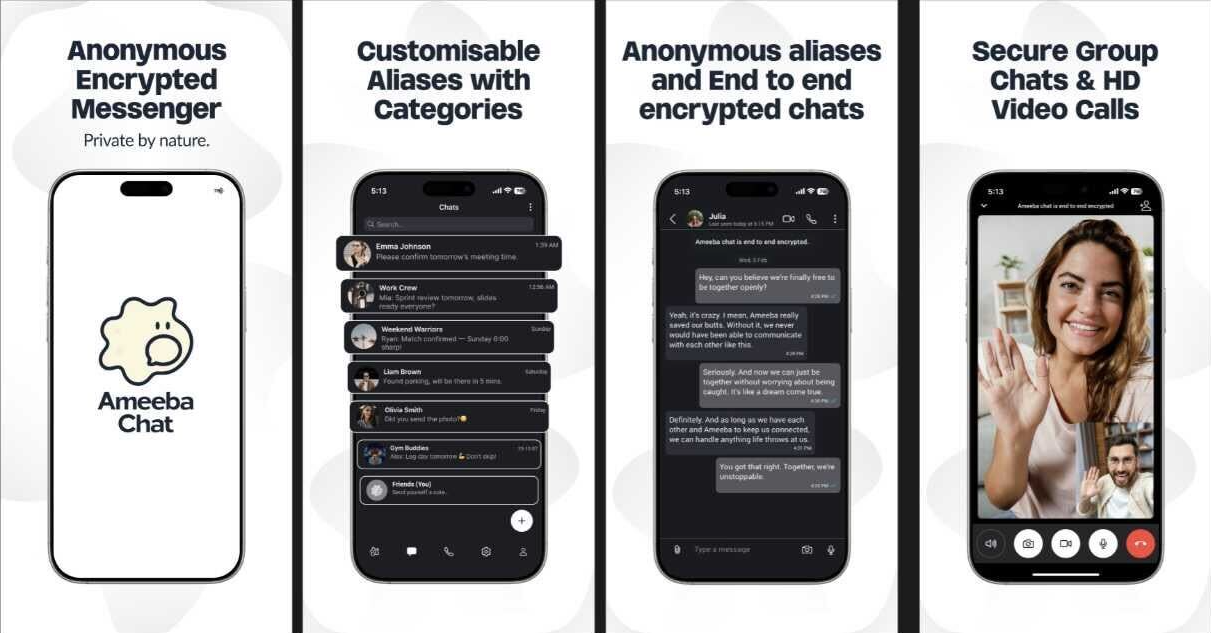
Ameeba Chat gives you a way out.
- • No phone number
- • No email
- • No personal info
- • Anonymous aliases
- • End-to-end encrypted
Chat without a trace.
Product | Affected Versions
APTIOV | All versions prior to patch
How the Exploit Works
This vulnerability is a classic example of a Time-of-check Time-of-use (TOCTOU) race condition. The attacker can manipulate the BIOS process by exploiting the gap between the check (time of check) and the use (time of use) of a resource. By doing so, the attacker may cause the system to execute arbitrary code. This exploit requires local access to the system and user interaction.
Conceptual Example Code
The exploitation of this vulnerability does not involve a specific code or command but rather a sequence of actions that manipulate the timing and sequence of events in the BIOS process. Nonetheless, a conceptual example of the exploit might look like this:
# Attacker identifies a resource to exploit
resource = identify_vulnerable_resource()
# Attacker initiates a race condition
initiate_race_condition(resource)
# Attacker injects arbitrary code in the 'use' phase of the resource
inject_arbitrary_code(resource)
This is a conceptual example and does not represent actual exploit code. The attacker must have intimate knowledge of the system’s resources and timing to carry out this exploit.
Mitigation Guidance
The effective method to mitigate this vulnerability is to apply the patch provided by the vendor. As a temporary measure, a Web Application Firewall (WAF) or Intrusion Detection System (IDS) can be used to monitor and block suspicious activities. However, these measures do not eliminate the vulnerability, and applying the patch is strongly recommended.
