
Overview
A significant vulnerability has been discovered in Pexip Infinity versions prior to 35.0. This flaw, identified as CVE-2024-37917, could allow remote attackers to induce a system-wide denial of service through a carefully constructed signalling message. With a CVSS Severity Score of 7.5, it is crucial for affected systems to be patched promptly to prevent potential system compromise or data leakage.
Vulnerability Summary
CVE ID: CVE-2024-37917
Severity: High (CVSS: 7.5)
Attack Vector: Network
Privileges Required: None
User Interaction: None
Impact: System disruption; potential compromise and data leakage
Affected Products
 Escape the Surveillance Era
Most apps won’t tell you the truth.
They’re part of the problem.
Phone numbers. Emails. Profiles. Logs.
It’s all fuel for surveillance.
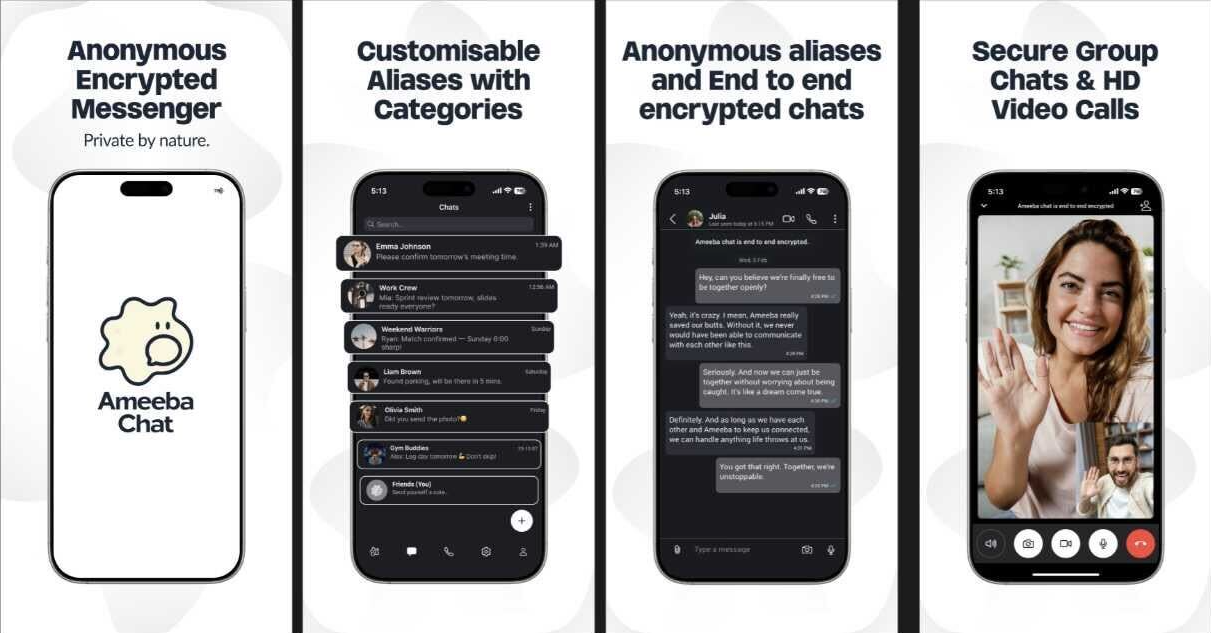
Ameeba Chat gives you a way out.
- • No phone number
- • No email
- • No personal info
- • Anonymous aliases
- • End-to-end encrypted
Chat without a trace.
Product | Affected Versions
Pexip Infinity | Before 35.0
How the Exploit Works
The vulnerability stems from improper input validation in Pexip Infinity. Attackers can craft a specific signalling message that, when processed by the software, triggers a software abort. This leads to a denial of service, disrupting operations and potentially rendering the system more susceptible to further attacks or data leakage.
Conceptual Example Code
A hypothetical example of how the vulnerability might be exploited could look like the following HTTP request:
POST /signalling/endpoint HTTP/1.1
Host: target.example.com
Content-Type: application/json
{ "signal_message": "crafted_malicious_payload" }
In this case, `crafted_malicious_payload` represents the carefully constructed signalling message that triggers the software abort and subsequent denial of service.
Mitigation
Users are strongly advised to apply the vendor’s patch to remedy the vulnerability. For those unable to promptly apply the patch, the use of a Web Application Firewall (WAF) or Intrusion Detection System (IDS) may serve as a temporary mitigation strategy.
