
Overview
The CVE-2024-33058 vulnerability is a severe security flaw that could potentially compromise systems or lead to data leakage. Memory corruption occurs during the assignment of memory from the source DDR memory (HLOS) to ADSP. This vulnerability presents a significant risk to any system that uses ADSP, given its high CVSS severity score and the potential for data compromise.
Vulnerability Summary
CVE ID: CVE-2024-33058
Severity: High (7.5)
Attack Vector: Network
Privileges Required: Low
User Interaction: None
Impact: Potential system compromise and data leakage
Affected Products
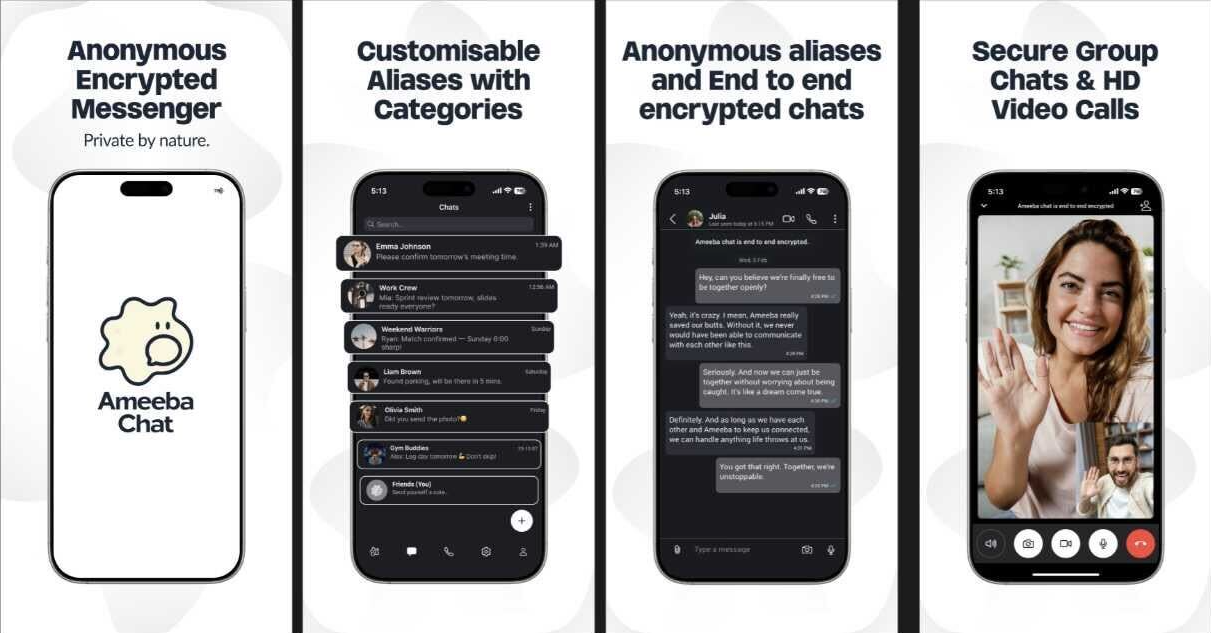
 Escape the Surveillance Era
Most apps won’t tell you the truth.
They’re part of the problem.
Phone numbers. Emails. Profiles. Logs.
It’s all fuel for surveillance.
Ameeba Chat gives you a way out.
- • No phone number
- • No email
- • No personal info
- • Anonymous aliases
- • End-to-end encrypted
Chat without a trace.
Product | Affected Versions
ADSP Software | All prior to patch
Embedded Systems using ADSP | All prior to patch
How the Exploit Works
The exploit takes advantage of the memory corruption that occurs during the assignment of memory from the source DDR memory (HLOS) to ADSP. An attacker could manipulate this corruption to gain unauthorized access to the system or to leak sensitive data. The vulnerability does not require user interaction, and thus, is particularly dangerous as it can be exploited remotely and without notice.
Conceptual Example Code
The following is a conceptual example of how this vulnerability might be exploited. This pseudocode simulates an attacker sending a malformed packet to trigger the memory corruption:
def exploit(target_ip):
packet = create_malformed_packet()
send_packet(target_ip, packet)
def create_malformed_packet():
packet = Packet()
packet.set_payload(generate_corrupt_data())
return packet
def generate_corrupt_data():
# Generate data that causes memory corruption
return "malicious_data"
def send_packet(ip, packet):
# Send the packet to the target IP
pass
exploit("target_ip")
Please note that this is a conceptual example and does not represent a real-world attack scenario.
Mitigation Guidance
Users are advised to apply the vendor patch as soon as possible to mitigate the vulnerability. As a temporary measure, it is recommended to use a Web Application Firewall (WAF) or Intrusion Detection System (IDS) to detect and prevent potential exploitation attempts.
