
Overview
This report discusses the details of the critical vulnerability, CVE-2024-22362, which impacts Drupal, a widely used open-source content management system. The vulnerability stems from Drupal’s improper handling of structural elements, which if exploited, could result in a denial-of-service (DoS) condition, potentially compromising system integrity or leading to data leakage.
Vulnerability Summary
CVE ID: CVE-2024-22362
Severity: High (7.5 CVSS score)
Attack Vector: Network
Privileges Required: Low
User Interaction: None
Impact: Denial of service, potential system compromise, and data leakage
Affected Products
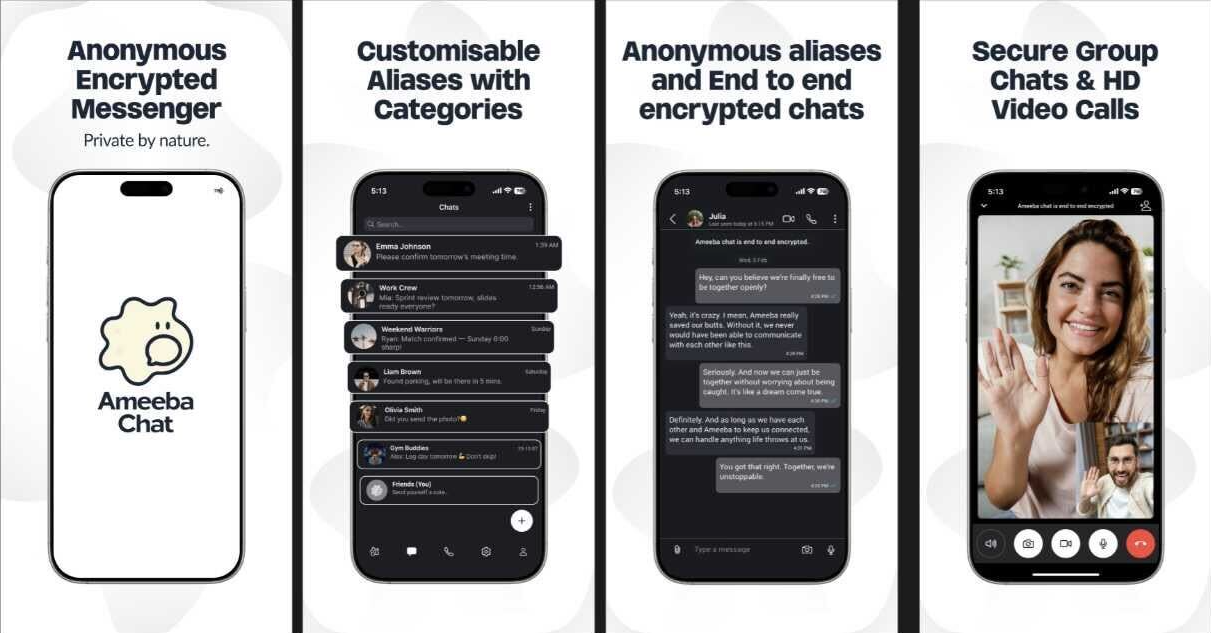
 Escape the Surveillance Era
Most apps won’t tell you the truth.
They’re part of the problem.
Phone numbers. Emails. Profiles. Logs.
It’s all fuel for surveillance.
Ameeba Chat gives you a way out.
- • No phone number
- • No email
- • No personal info
- • Anonymous aliases
- • End-to-end encrypted
Chat without a trace.
Product | Affected Versions
Drupal | All versions prior to the latest patch
How the Exploit Works
The vulnerability arises due to the inadequate handling of structural elements within Drupal. An attacker can exploit this by sending malformed requests or data packets that the system struggles to handle, which could then overload the system causing a denial of service. In some instances, the attacker might manipulate the system to gain unauthorized access or exfiltrate sensitive data.
Conceptual Example Code
Here is a crude, conceptual example of how an attacker might exploit this vulnerability:
POST /drupal/element/invalid HTTP/1.1
Host: target.example.com
Content-Type: application/json
{ "element": "invalid_structural_element" }
In the above pseudocode, the attacker sends a POST request to an endpoint on the Drupal system with an invalid structural element. The system, unable to handle this improper request, may crash, causing a denial-of-service condition.
Recommended Mitigation
To mitigate this vulnerability, users are advised to apply the vendor-provided patch immediately. In the meantime, deploying a Web Application Firewall (WAF) or an Intrusion Detection System (IDS) can serve as a temporary remediation measure. Regularly updating and patching software is a good practice to avoid being exposed to such vulnerabilities.
