
Overview
The cybersecurity vulnerability CVE-2024-21637 is a serious threat that pertains to Authentik, an open-source Identity Provider. The vulnerability involves a reflected Cross-Site Scripting (XSS) attack in OpenID Connect flows, which potentially allows an attacker to escalate privileges and compromise the system. Given the widespread adoption of Authentik as an Identity Provider, this vulnerability should not be overlooked and needs immediate attention.
Vulnerability Summary
CVE ID: CVE-2024-21637
Severity: High (7.6 CVSS Score)
Attack Vector: Network
Privileges Required: Low
User Interaction: Required
Impact: Potential system compromise or data leakage
Affected Products
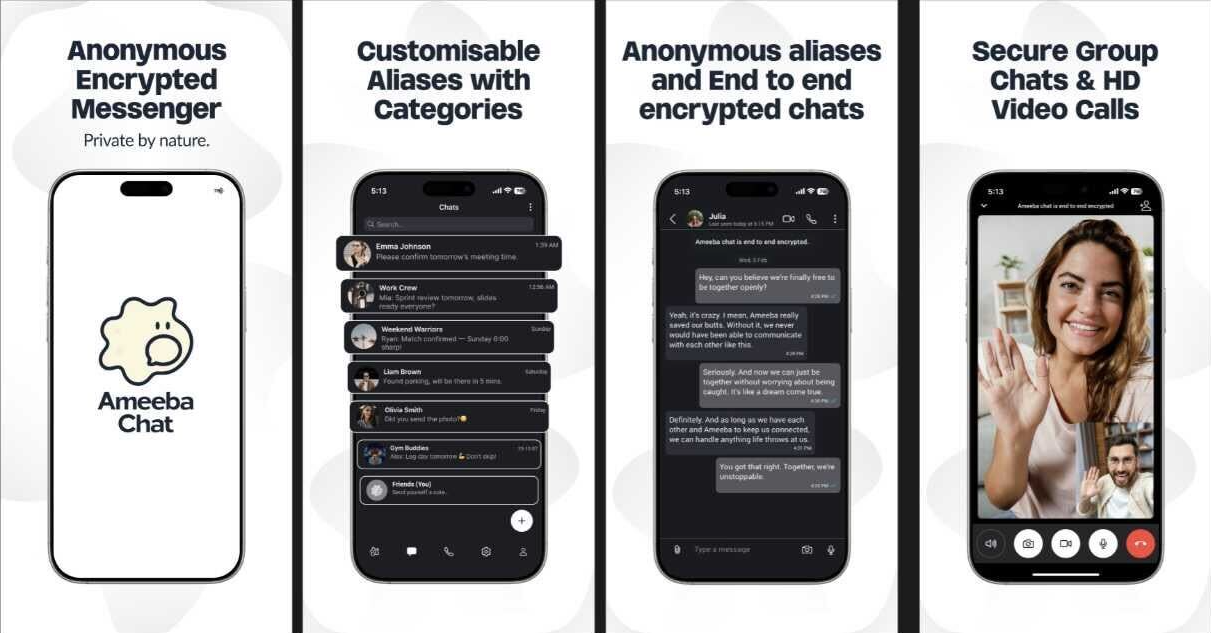
 Escape the Surveillance Era
Most apps won’t tell you the truth.
They’re part of the problem.
Phone numbers. Emails. Profiles. Logs.
It’s all fuel for surveillance.
Ameeba Chat gives you a way out.
- • No phone number
- • No email
- • No personal info
- • Anonymous aliases
- • End-to-end encrypted
Chat without a trace.
Product | Affected Versions
Authentik | Prior to 2023.10.6
Authentik | Prior to 2023.8.6
How the Exploit Works
This vulnerability exploits a flaw in Authentik’s handling of JavaScript-URIs in OpenID Connect flows with `response_mode=form_post`. In essence, a user can inject malicious JavaScript code that is then reflected back to the user’s browser by the server. This code could be designed to steal sensitive user data or perform actions on behalf of the user, leading to privilege escalation and potential system compromise.
Conceptual Example Code
Below is a conceptual example of how the vulnerability might be exploited:
POST /oidc/authorize HTTP/1.1
Host: target.example.com
Content-Type: application/x-www-form-urlencoded
response_type=code&client_id=client&state=1234&redirect_uri=javascript:malicious_code_here
In this example, the `redirect_uri` parameter is injected with malicious JavaScript code, which is then reflected back to the user’s browser by the server, leading to potential compromise.
