
Overview
This report provides a detailed analysis of the vulnerability identified as CVE-2024-21611. This vulnerability affects the Routing Protocol Daemon (rpd) of Juniper Networks Junos OS and Junos OS Evolved, potentially leading to a Denial of Service (DoS) situation. Understanding the nature of this vulnerability and the impacted products is critical for organizations utilizing these systems to ensure effective risk management and mitigation.
Vulnerability Summary
CVE ID: CVE-2024-21611
Severity: High (7.5 CVSS Score)
Attack Vector: Network
Privileges Required: None
User Interaction: None
Impact: A successful exploit can cause a slow memory leak, leading to a system crash and potentially system compromise or data leakage.
Affected Products
 Escape the Surveillance Era
Most apps won’t tell you the truth.
They’re part of the problem.
Phone numbers. Emails. Profiles. Logs.
It’s all fuel for surveillance.
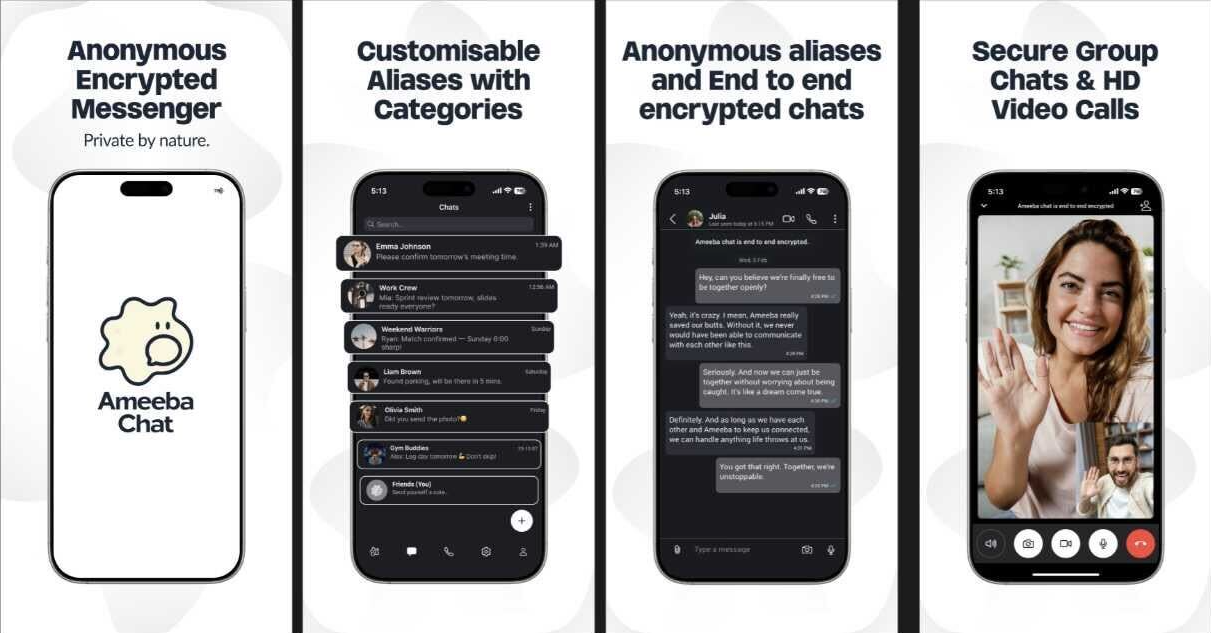
Ameeba Chat gives you a way out.
- • No phone number
- • No email
- • No personal info
- • Anonymous aliases
- • End-to-end encrypted
Chat without a trace.
Product | Affected Versions
Junos OS | 21.4 versions earlier than 21.4R3, 22.1 versions earlier than 22.1R3, 22.2 versions earlier than 22.2R3
Junos OS Evolved | 21.4-EVO versions earlier than 21.4R3-EVO, 22.1-EVO versions earlier than 22.1R3-EVO, 22.2-EVO versions earlier than 22.2R3-EVO
How the Exploit Works
The vulnerability resides in the Routing Protocol Daemon (rpd) of Juniper Networks Junos OS and Junos OS Evolved. In a Juniper Flow Monitoring (jflow) scenario, route churn causing Border Gateway Protocol (BGP) next hops to be updated will trigger a slow memory leak. Over time, this memory leak can lead to a system crash and restart of rpd, creating a Denial of Service scenario and potentially leading to system compromise or data leakage.
Conceptual Example Code
The following is a conceptual representation of how the vulnerability might be exploited:
user@host> cause_route_churn --bgp-next-hop --trigger-memory-leakPlease note that the above is not a real command but a high-level representation of how an attacker might exploit the vulnerability.
Mitigation Guidance
To mitigate this vulnerability, it is recommended to apply the vendor patch as soon as it becomes available. In the meanwhile, using a Web Application Firewall (WAF) or Intrusion Detection System (IDS) can serve as temporary mitigation, by monitoring and blocking suspicious network activity.
