
Overview
The vulnerability identified as CVE-2024-21606 is a critical issue that affects Juniper Networks Junos OS on SRX Series. This vulnerability, due to a Double Free issue, potentially allows an unauthenticated attacker to cause a Denial of Service (DoS) attack, posing a serious threat to businesses and organizations that rely on these systems for their operations.
Vulnerability Summary
CVE ID: CVE-2024-21606
Severity: High (7.5)
Attack Vector: Network
Privileges Required: None
User Interaction: None
Impact: Potential system compromise or data leakage, leading to Denial of Service
Affected Products
 Escape the Surveillance Era
Most apps won’t tell you the truth.
They’re part of the problem.
Phone numbers. Emails. Profiles. Logs.
It’s all fuel for surveillance.
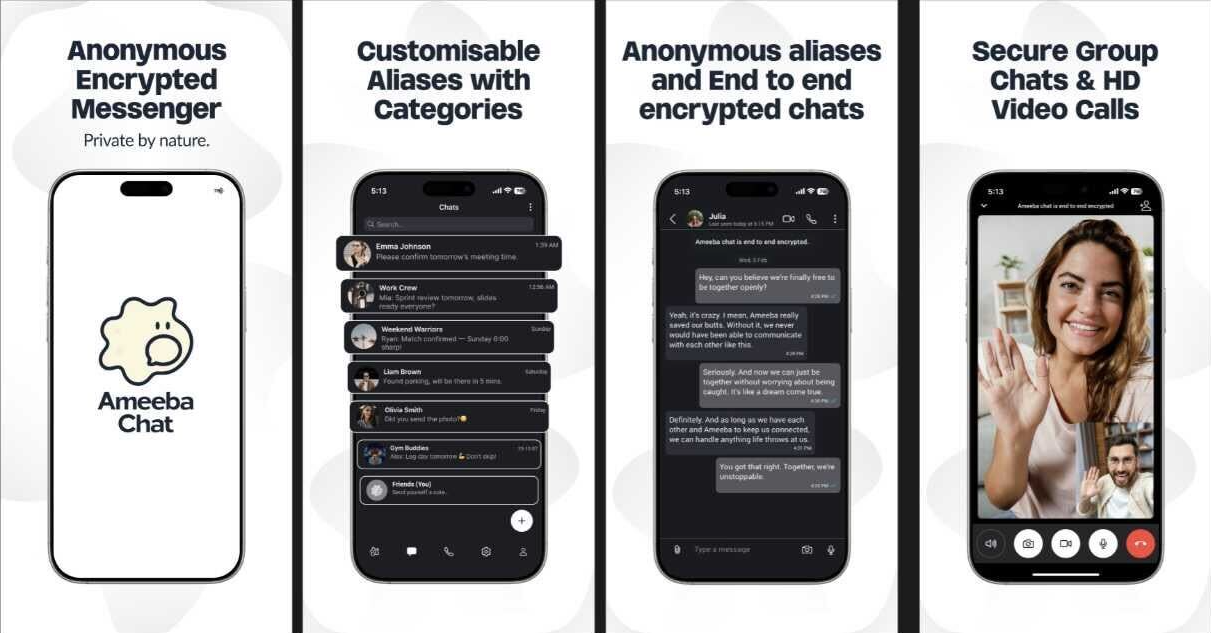
Ameeba Chat gives you a way out.
- • No phone number
- • No email
- • No personal info
- • Anonymous aliases
- • End-to-end encrypted
Chat without a trace.
Product | Affected Versions
Junos OS on SRX Series | All versions earlier than 20.4R3-S8
Junos OS on SRX Series | 21.2 versions earlier than 21.2R3-S6
Junos OS on SRX Series | 21.3 versions earlier than 21.3R3-S5
Junos OS on SRX Series | 21.4 versions earlier than 21.4R3-S5
Junos OS on SRX Series | 22.1 versions earlier than 22.1R3-S3
Junos OS on SRX Series | 22.2 versions earlier than 22.2R3-S3
Junos OS on SRX Series | 22.3 versions earlier than 22.3R3-S1
Junos OS on SRX Series | 22.4 versions earlier than 22.4R2-S2, 22.4R3
How the Exploit Works
The exploit works by taking advantage of a Double Free vulnerability in the flow processing daemon (flowd) of Juniper Networks Junos OS on SRX Series. In a remote access VPN scenario, if a “tcp-encap-profile” is configured and a sequence of specific packets is received, a flowd crash and restart will be observed, leading to a Denial of Service.
Conceptual Example Code
While the exact details of the exploit are not provided, a conceptual example might involve sending a specific sequence of packets to a vulnerable endpoint. It might look something like this:
import socket
def send_malicious_packets(target_ip, target_port):
# Establish a connection
s = socket.socket(socket.AF_INET, socket.SOCK_STREAM)
s.connect((target_ip, target_port))
# Send a sequence of specific packets
for packet in malicious_packet_sequence:
s.send(packet)
# Close the connection
s.close()
# Replace with the target IP and port
send_malicious_packets('192.0.2.0', 1234)