
Overview
The CVE-2024-21312 is a severe vulnerability found in the .NET Framework, exposing systems to potential threats of denial of service (DoS) attacks. This vulnerability can lead to system compromise or data leakage if successfully exploited. It poses a significant risk to businesses and organizations relying on the .NET Framework for their operations and services.
Vulnerability Summary
CVE ID: CVE-2024-21312
Severity: High (7.5/10)
Attack Vector: Network
Privileges Required: None
User Interaction: None
Impact: Potential system compromise or data leakage upon successful exploit
Affected Products
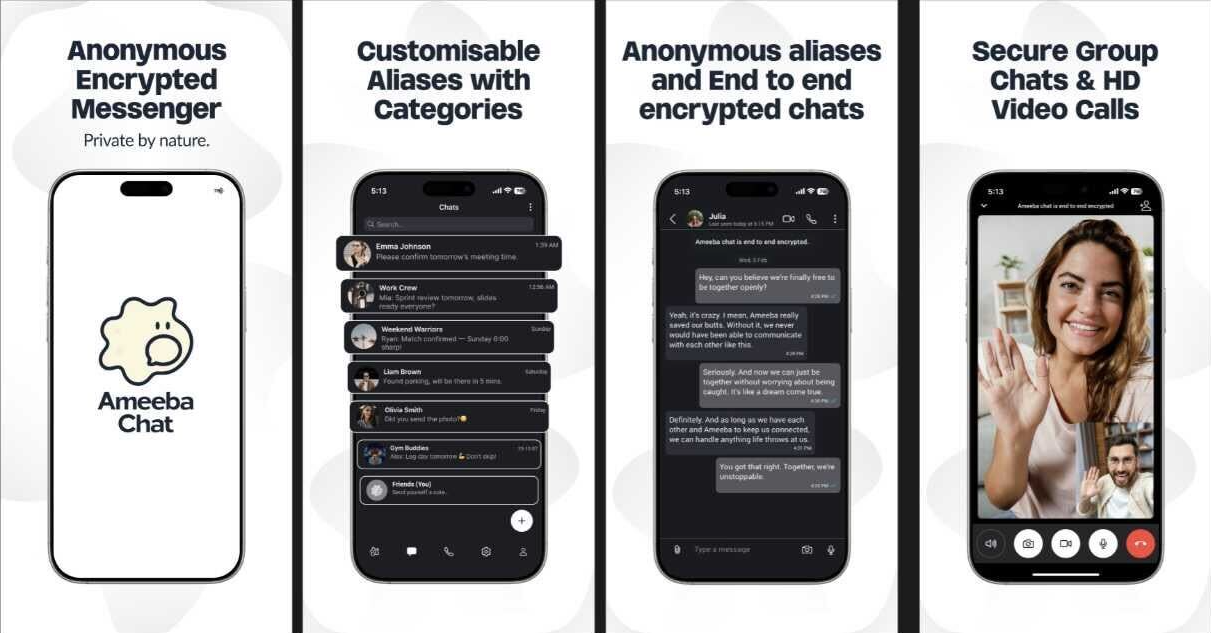
 Escape the Surveillance Era
Most apps won’t tell you the truth.
They’re part of the problem.
Phone numbers. Emails. Profiles. Logs.
It’s all fuel for surveillance.
Ameeba Chat gives you a way out.
- • No phone number
- • No email
- • No personal info
- • Anonymous aliases
- • End-to-end encrypted
Chat without a trace.
Product | Affected Versions
.NET Framework | 4.8 and below
ASP.NET Core | 3.1 and below
How the Exploit Works
The CVE-2024-21312 vulnerability is a denial of service vulnerability in the .NET framework. It arises from improper handling of certain requests by the framework. An attacker can exploit this vulnerability by sending a specially crafted request to the target system. Once the system receives this malicious request, it can lead to excessive consumption of system resources, causing the system to become unresponsive and eventually leading to a denial of service.
Conceptual Example Code
Below is a conceptual example of an HTTP request that could potentially exploit this vulnerability:
POST /vulnerable/endpoint HTTP/1.1
Host: target.example.com
Content-Type: application/json
{ "malicious_payload": "repeatedly trigger resource-intensive operations" }
The ‘malicious_payload’ here represents a method that could be used to repeatedly trigger resource-intensive operations on the target system, leading to a denial of service.
Please note that this is a simplified and conceptual example. The actual exploit may involve more complex techniques and methods.
