
Overview
The Common Vulnerabilities and Exposures (CVE) system has identified a significant vulnerability, CVE-2024-21307, affecting Remote Desktop Client users worldwide. This vulnerability allows for Remote Code Execution (RCE), potentially leading to a system compromise or data leakage. The severity of this vulnerability underscores the importance of immediate action to mitigate potential damages.
Vulnerability Summary
CVE ID: CVE-2024-21307
Severity: High (7.5 CVSS Score)
Attack Vector: Network
Privileges Required: None
User Interaction: Required
Impact: System compromise or data leakage
Affected Products
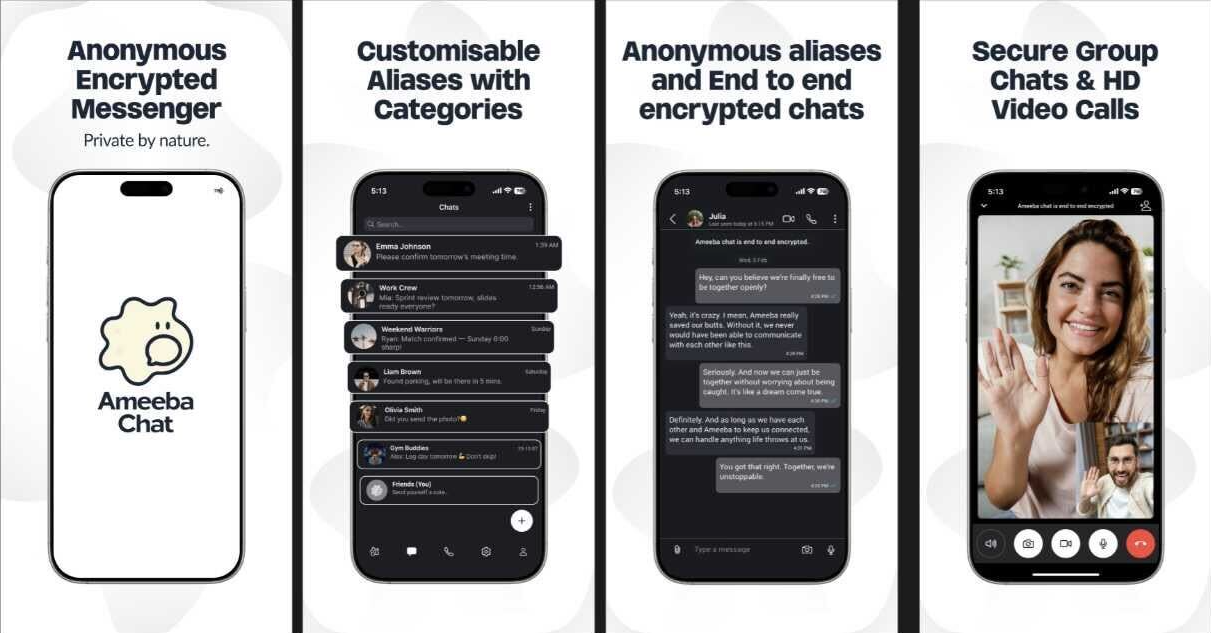
 Escape the Surveillance Era
Most apps won’t tell you the truth.
They’re part of the problem.
Phone numbers. Emails. Profiles. Logs.
It’s all fuel for surveillance.
Ameeba Chat gives you a way out.
- • No phone number
- • No email
- • No personal info
- • Anonymous aliases
- • End-to-end encrypted
Chat without a trace.
Product | Affected Versions
Remote Desktop Client | Versions prior to 12.0
Remote Desktop Server | Versions prior to 6.0
How the Exploit Works
The vulnerability is rooted in how the Remote Desktop Client handles certain types of server responses. When a maliciously crafted response is sent to a client, it triggers a buffer overflow, leading to potential remote code execution. This could allow an attacker to execute arbitrary code on the affected system with the same privileges as the logged-in user.
Conceptual Example Code
A conceptual example of how the vulnerability might be exploited is as follows:
POST /rdp/session HTTP/1.1
Host: target.example.com
Content-Type: application/x-rdp
{ "session_data": "overly_long_and_malicious_string" }
In this example, the “session_data” field is filled with an overly long and malicious string designed to overflow the buffer and allow for remote code injection.
Mitigation Guidance
Users are urged to apply the latest vendor-supplied patches for their Remote Desktop Client and Server software as soon as possible. If patching is not immediately possible, implementing Web Application Firewalls (WAF) or Intrusion Detection Systems (IDS) can provide temporary mitigation by monitoring and blocking potentially malicious traffic.
