
Overview
CVE-2024-20661 represents a significant cybersecurity vulnerability found within Microsoft Message Queuing (MSMQ). This vulnerability could potentially compromise systems or leak sensitive data if exploited. As MSMQ is a widely used network protocol by many businesses and services, the impact of this vulnerability could be vast and severe.
Vulnerability Summary
CVE ID: CVE-2024-20661
Severity: High (7.5 CVSS Score)
Attack Vector: Network
Privileges Required: Low
User Interaction: None
Impact: System compromise and potential data leakage.
Affected Products
 Escape the Surveillance Era
Most apps won’t tell you the truth.
They’re part of the problem.
Phone numbers. Emails. Profiles. Logs.
It’s all fuel for surveillance.
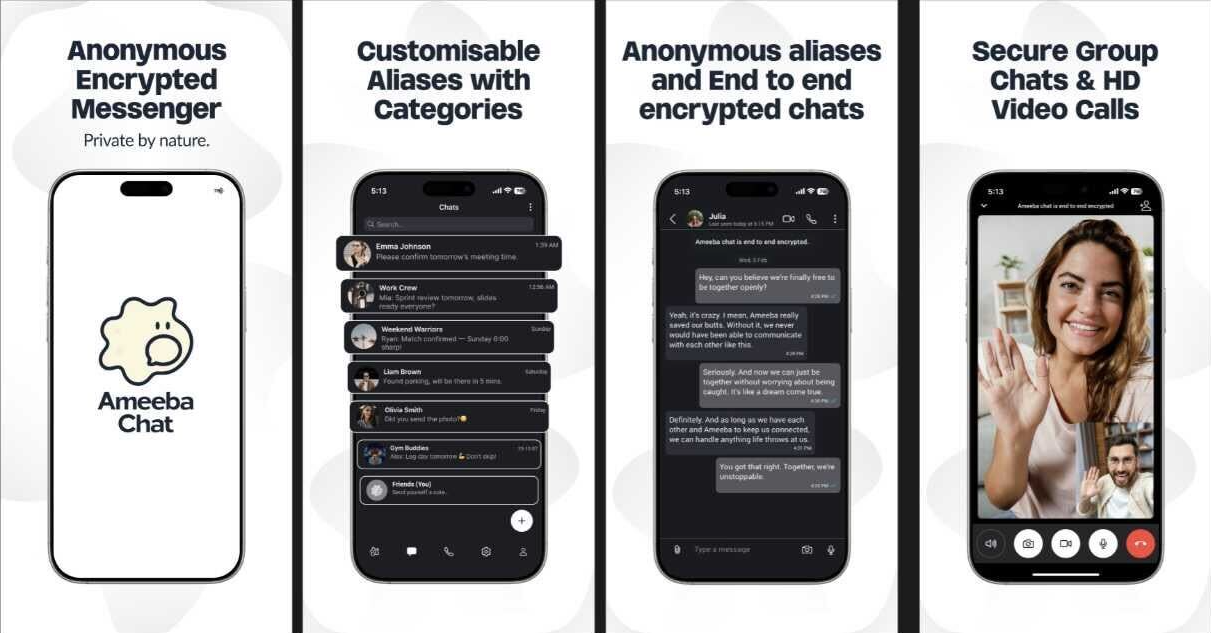
Ameeba Chat gives you a way out.
- • No phone number
- • No email
- • No personal info
- • Anonymous aliases
- • End-to-end encrypted
Chat without a trace.
Product | Affected Versions
Microsoft Message Queuing (MSMQ) | All previous versions
How the Exploit Works
The vulnerability is exploited through excessive network requests sent to the MSMQ, which can overload the system and cause a Denial of Service (DoS). This could potentially allow attackers to compromise the system or leak sensitive data.
Conceptual Example Code
Here is a conceptual example of how the vulnerability might be exploited:
POST /MSMQ/endpoint HTTP/1.1
Host: target.example.com
Content-Type: application/xml
<Attack>
<Type>DoS</Type>
<Payload>...</Payload>
</Attack>
This conceptual payload is designed to overload the MSMQ service and cause a system crash or slow response, which might create an opportunity for further exploitation.
Mitigation Guidance
Organizations are strongly advised to apply the vendor patch as soon as it becomes available. In the meantime, the use of a Web Application Firewall (WAF) or Intrusion Detection System (IDS) can serve as a temporary mitigation strategy. These tools can be configured to block or alert on suspicious network traffic, potentially preventing the exploitation of this vulnerability.
