
Overview
The cybersecurity community is currently addressing a notable vulnerability traced to the Klarna Checkout for WooCommerce WordPress plugin. Identified as CVE-2024-13925, this vulnerability could potentially compromise systems and leak sensitive data. It can be exploited by attackers to rapidly consume disk space and potentially fill the entire disk, thereby crippling affected systems.
Vulnerability Summary
CVE ID: CVE-2024-13925
Severity: High (7.5 CVSS)
Attack Vector: Network
Privileges Required: None
User Interaction: None
Impact: System compromise and potential data leakage
Affected Products
 Escape the Surveillance Era
Most apps won’t tell you the truth.
They’re part of the problem.
Phone numbers. Emails. Profiles. Logs.
It’s all fuel for surveillance.
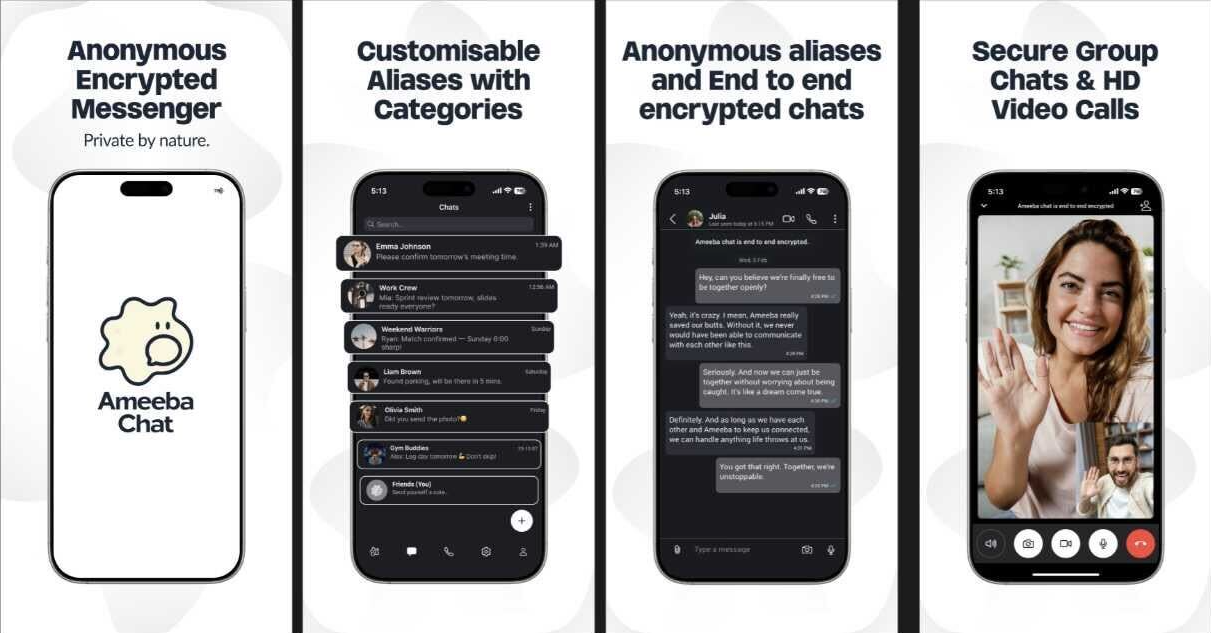
Ameeba Chat gives you a way out.
- • No phone number
- • No email
- • No personal info
- • Anonymous aliases
- • End-to-end encrypted
Chat without a trace.
Product | Affected Versions
Klarna Checkout for WooCommerce WordPress Plugin | Versions prior to 2.13.5
How the Exploit Works
The vulnerability resides in an unauthenticated WooCommerce Ajax endpoint. This flaw allows an attacker to flood the log files with data at the maximum size allowed for a POST parameter per request. By doing so, an attacker can quickly consume all available disk space, effectively causing a denial of service (DoS) attack that could disrupt system functionality.
Conceptual Example Code
An attacker might exploit the vulnerability in the following conceptual manner:
POST /ajax_endpoint HTTP/1.1
Host: target.example.com
Content-Length: [maximum size]
{ "log_data": "[massive amount of unnecessary data]" }
By repeatedly sending such requests, an attacker can quickly fill up disk space, causing service disruption. To mitigate this vulnerability, users are advised to apply the latest patch provided by the vendor or use a Web Application Firewall (WAF) or Intrusion Detection System (IDS) as temporary mitigation. Regularly monitoring system logs for any unusual activity can also help in identifying any potential exploit attempts.
