
Overview
CVE-2024-13613 is a critical cybersecurity vulnerability affecting the Wise Chat plugin for WordPress up to and including version 3.3.3. The vulnerability exposes sensitive information in the ‘uploads’ directory and opens the door for unauthenticated attackers to extract valuable data. This vulnerability is particularly significant due to the popularity of WordPress and the potential for system compromise or data leakage, impacting numerous websites and their users.
Vulnerability Summary
CVE ID: CVE-2024-13613
Severity: High (CVSS: 7.5)
Attack Vector: Network
Privileges Required: None
User Interaction: None
Impact: System compromise and potential data leakage
Affected Products
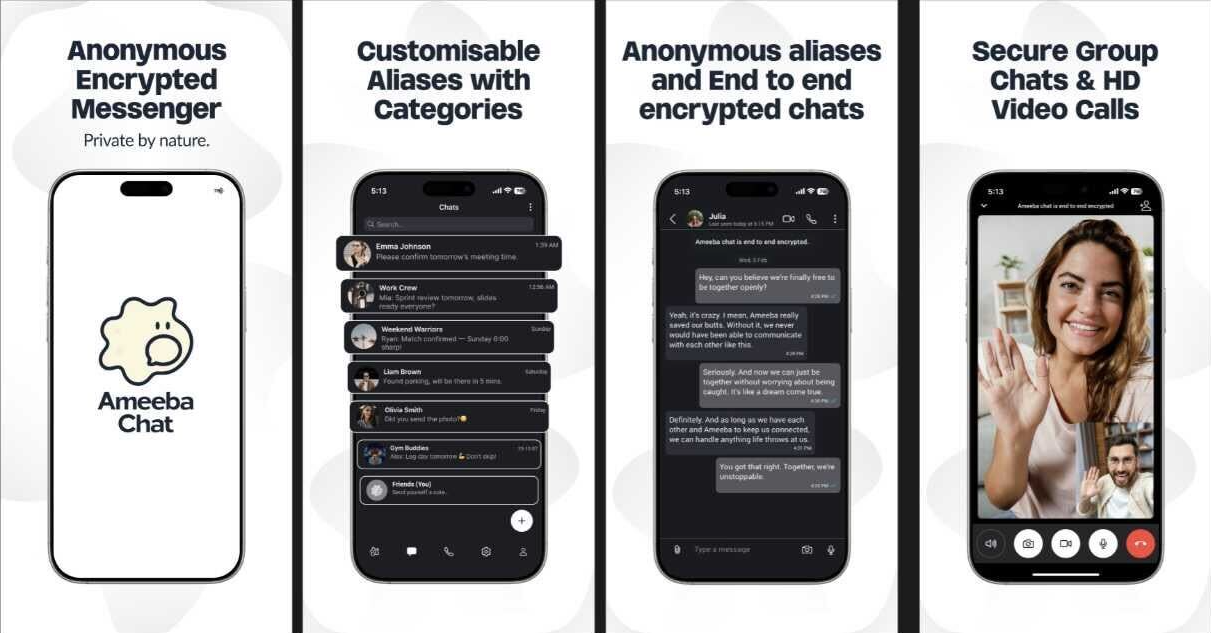
 Escape the Surveillance Era
Most apps won’t tell you the truth.
They’re part of the problem.
Phone numbers. Emails. Profiles. Logs.
It’s all fuel for surveillance.
Ameeba Chat gives you a way out.
- • No phone number
- • No email
- • No personal info
- • Anonymous aliases
- • End-to-end encrypted
Chat without a trace.
Product | Affected Versions
Wise Chat Plugin for WordPress | Up to and including 3.3.3
How the Exploit Works
The vulnerability lies in the ‘uploads’ directory of the Wise Chat plugin for WordPress. Unauthenticated attackers can exploit this vulnerability by directly accessing the /wp-content/uploads directory, which may contain file attachments from chat messages. These attachments may contain sensitive data that is stored insecurely, leading to potential data leakage or system compromise.
Conceptual Example Code
An attacker may exploit this vulnerability by sending a GET request to the vulnerable uploads directory. Here is a conceptual example of how this might be done:
GET /wp-content/uploads HTTP/1.1
Host: vulnerablewebsite.com
If the request is successful, the server would respond with a list of files in the ‘uploads’ directory, potentially revealing sensitive information.
Mitigation Guidance
Users are advised to apply the vendor patch as soon as possible to mitigate this vulnerability. If the patch cannot be applied immediately, users can implement a Web Application Firewall (WAF) or Intrusion Detection System (IDS) as a temporary measure. However, these solutions do not effectively resolve the vulnerability and are only intended as interim solutions until the patch can be applied.
