
Overview
The CVE-2024-13322 identifies a crucial SQL injection vulnerability in the Ads Pro Plugin – Multi-Purpose WordPress Advertising Manager for WordPress. This vulnerability affects all versions up to, and including, 4.88. An unauthenticated attacker could exploit this vulnerability to manipulate SQL queries to extract sensitive information from the database, leading to potential system compromise or data leakage.
Vulnerability Summary
CVE ID: CVE-2024-13322
Severity: High (7.5 CVSS Score)
Attack Vector: Network (via ‘a_id’ parameter)
Privileges Required: None
User Interaction: None
Impact: Potential system compromise or data leakage
Affected Products
 Escape the Surveillance Era
Most apps won’t tell you the truth.
They’re part of the problem.
Phone numbers. Emails. Profiles. Logs.
It’s all fuel for surveillance.
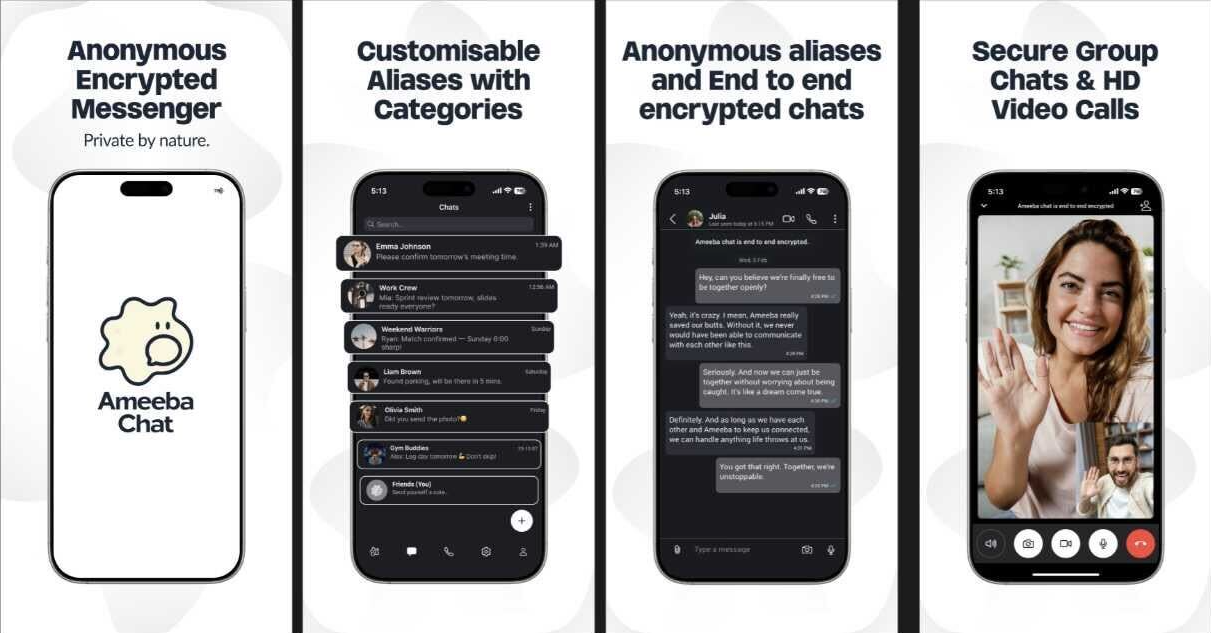
Ameeba Chat gives you a way out.
- • No phone number
- • No email
- • No personal info
- • Anonymous aliases
- • End-to-end encrypted
Chat without a trace.
Product | Affected Versions
Ads Pro Plugin – Multi-Purpose WordPress Advertising Manager | Versions up to and including 4.88
How the Exploit Works
The exploit works by an attacker injecting arbitrary SQL code into the ‘a_id’ parameter. This parameter is not properly sanitized before being used in SQL queries, allowing an attacker to manipulate the queries performed by the plugin, and thus extract sensitive data from the database or perform other unauthorized database operations.
Conceptual Example Code
Here is a conceptual example of how the vulnerability might be exploited. This is a sample HTTP request:
GET /wp-content/plugins/ads-pro-plugin/ads.php?a_id=1 UNION SELECT 1,username,password FROM wp_users WHERE id=1 HTTP/1.1
Host: target.example.com
This request attempts to inject a UNION SELECT SQL query into the ‘a_id’ parameter. If successful, this would result in the username and password of the first user (typically the administrator) being returned in the response.
Mitigation Guidance
Users are advised to apply the vendor patch as soon as it’s available. In the meantime, they can protect their systems by using a Web Application Firewall (WAF) or Intrusion Detection System (IDS) to detect and block SQL injection attempts.
