
Overview
The CVE-2024-0567 vulnerability is a flaw in GnuTLS that allows an unauthenticated, remote attacker to initiate a denial of service attack. This vulnerability is particularly concerning due to its potential to result in system compromise or data leakage. Entities using GnuTLS, especially those utilizing cockpit-certificate-ensure, should be aware of this vulnerability and take steps to mitigate its impact.
Vulnerability Summary
CVE ID: CVE-2024-0567
Severity: High (CVSS: 7.5)
Attack Vector: Network
Privileges Required: None
User Interaction: None
Impact: Denial of Service leading to potential system compromise or data leakage
Affected Products
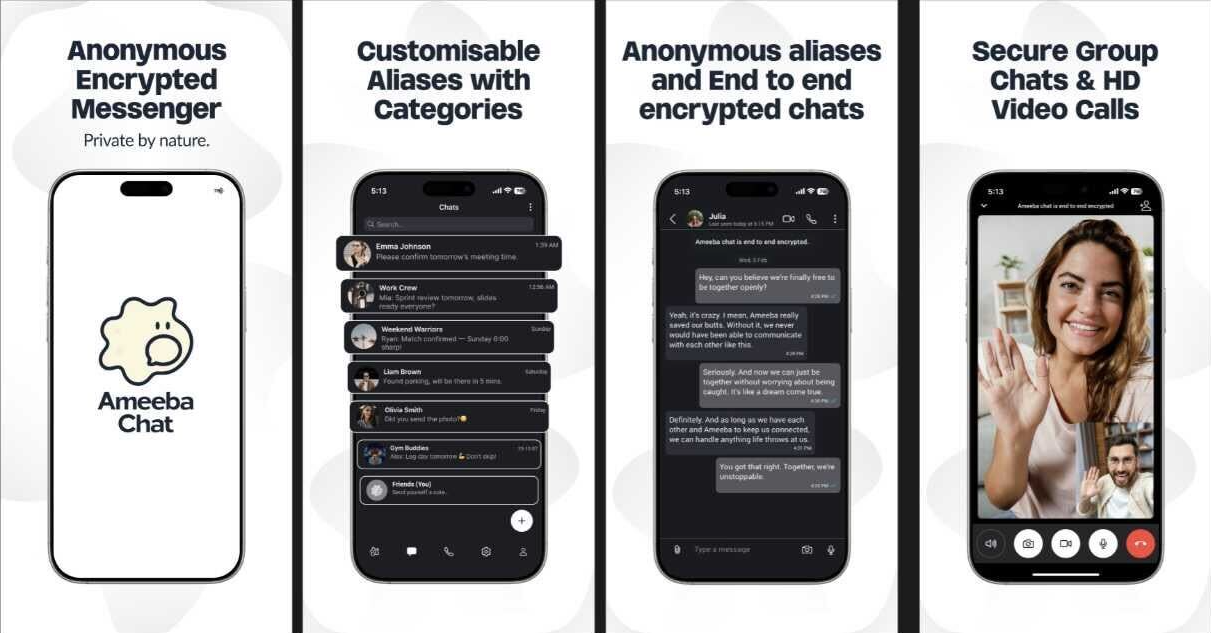
 Escape the Surveillance Era
Most apps won’t tell you the truth.
They’re part of the problem.
Phone numbers. Emails. Profiles. Logs.
It’s all fuel for surveillance.
Ameeba Chat gives you a way out.
- • No phone number
- • No email
- • No personal info
- • Anonymous aliases
- • End-to-end encrypted
Chat without a trace.
Product | Affected Versions
GnuTLS | All versions prior to the patched version
Cockpit | All versions utilizing GnuTLS prior to the patched version
How the Exploit Works
The exploit takes advantage of a flaw in GnuTLS when it is used by Cockpit to validate a certificate chain. If the certificate chain involves distributed trust, it is erroneously rejected. An attacker can exploit this flaw to initiate a Denial of Service (DoS) attack by sending a specifically crafted certificate chain intended to trigger this flaw, thereby bringing down the service and potentially leading to system compromise or data leakage.
Conceptual Example Code
This is a conceptual representation of an attack, using a specifically crafted certificate chain designed to trigger the flaw in the target system:
POST /cockpit-certificate-ensure HTTP/1.1
Host: target.example.com
Content-Type: application/x-x509-ca-cert
-----BEGIN CERTIFICATE-----
[Malicious crafted certificate chain]
-----END CERTIFICATE-----
Note: This is a theoretical example and may not reflect the exact method an attacker would use to exploit this vulnerability.
