
Overview
The Frontend File Manager Plugin for WordPress, a widely used platform for website creation and management, suffers from a serious vulnerability, identified as CVE-2023-7306. This vulnerability allows unauthenticated attackers to delete arbitrary posts, posing a significant threat to data integrity and potentially leading to unauthorized information disclosure. The vulnerability affects all versions up to, and including, 21.5.
Vulnerability Summary
CVE ID: CVE-2023-7306
Severity: High (7.5 CVSS Score)
Attack Vector: Network
Privileges Required: None
User Interaction: None
Impact: Unauthorized loss of data, potential system compromise or data leakage
Affected Products
 Escape the Surveillance Era
Most apps won’t tell you the truth.
They’re part of the problem.
Phone numbers. Emails. Profiles. Logs.
It’s all fuel for surveillance.
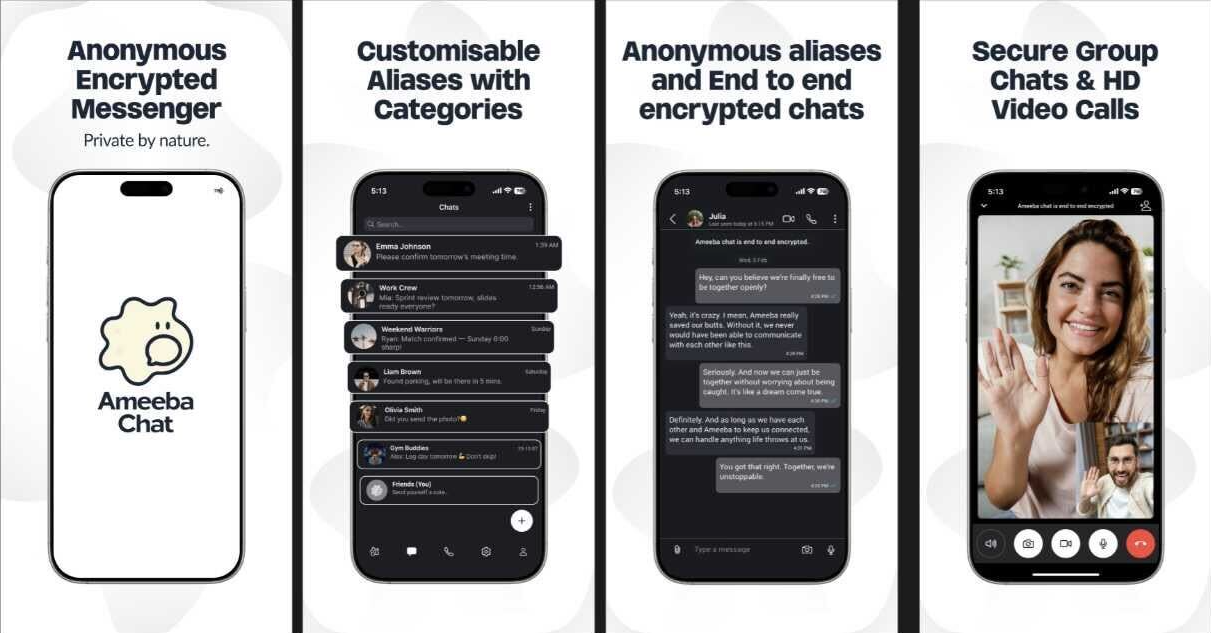
Ameeba Chat gives you a way out.
- • No phone number
- • No email
- • No personal info
- • Anonymous aliases
- • End-to-end encrypted
Chat without a trace.
Product | Affected Versions
Frontend File Manager Plugin for WordPress | All versions up to, and including, 21.5
How the Exploit Works
The CVE-2023-7306 vulnerability lies in the wpfm_delete_multiple_files() function of the Frontend File Manager Plugin, which does not perform an appropriate capability check. This oversight allows unauthenticated users to send requests to this function, leading to the deletion of arbitrary posts without any necessary permissions or authentication.
Conceptual Example Code
Here’s a conceptual example of how an attacker might exploit this vulnerability:
POST /wp-admin/admin-ajax.php?action=wpfm_delete_multiple_files HTTP/1.1
Host: target.example.com
Content-Type: application/json
{ "file_ids": ["1", "2", "3"] }
In this example, an unauthenticated attacker sends a POST request to the wpfm_delete_multiple_files function, specifying the IDs of the files they wish to delete. Without an appropriate capability check in place, the function processes the request and deletes the specified files.
Mitigation Guidance
To mitigate this vulnerability, affected users are recommended to apply the vendor patch as soon as it is available. In the meantime, using a Web Application Firewall (WAF) or an Intrusion Detection System (IDS) can serve as a temporary mitigation measure, helping to detect and block malicious requests.
