
Overview
The CVE-2023-6750 vulnerability refers to a critical flaw in the Clone WordPress plugin versions prior to 2.4.3. The vulnerability arises due to the plugin’s use of buffer files to store backup information at a publicly accessible, statically defined file path. This poses a severe threat to information confidentiality and system integrity, as it could potentially allow unauthorized access to sensitive data or even a system compromise.
Vulnerability Summary
CVE ID: CVE-2023-6750
Severity: High – CVSS 7.5
Attack Vector: Network
Privileges Required: None
User Interaction: None
Impact: Potential system compromise or data leakage
Affected Products
 Escape the Surveillance Era
Most apps won’t tell you the truth.
They’re part of the problem.
Phone numbers. Emails. Profiles. Logs.
It’s all fuel for surveillance.
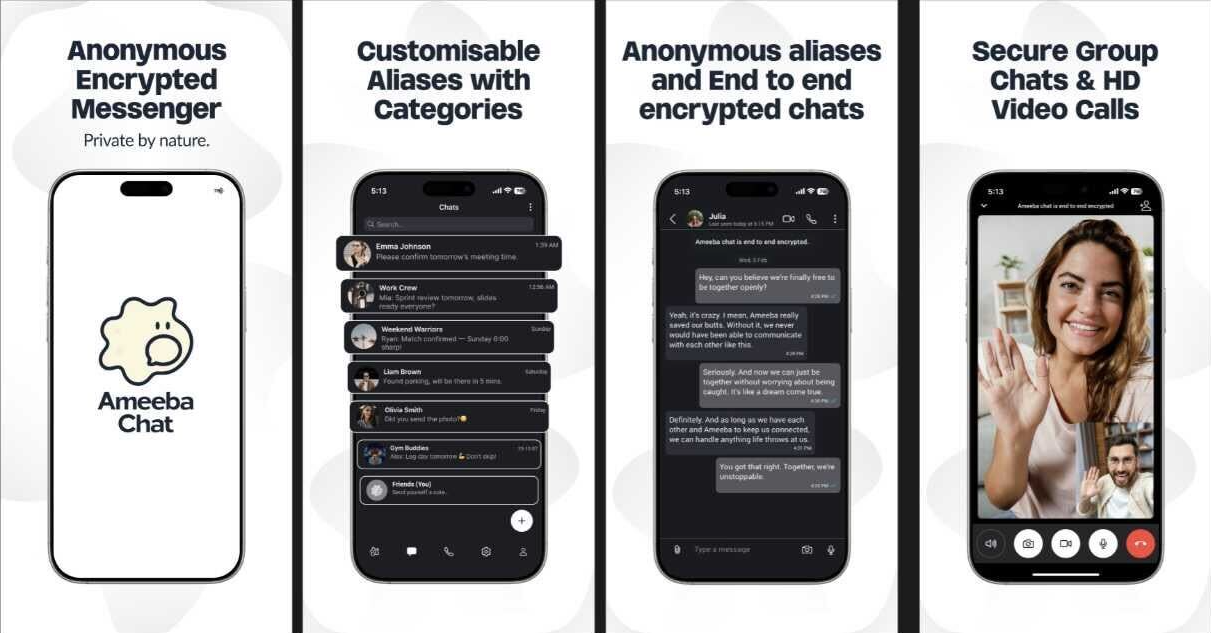
Ameeba Chat gives you a way out.
- • No phone number
- • No email
- • No personal info
- • Anonymous aliases
- • End-to-end encrypted
Chat without a trace.
Product | Affected Versions
Clone WordPress Plugin | Before 2.4.3
How the Exploit Works
The vulnerability lies in the fact that the Clone WordPress plugin stores backup information in buffer files at a statically defined, publicly accessible file path. An attacker can exploit this by locating the file path and accessing the buffer files, thus exposing the backup information. This could lead to unauthorized access to sensitive data or even a system compromise.
Conceptual Example Code
Here is a conceptual example of how the vulnerability might be exploited using an HTTP GET request to access the buffer file:
GET /wp-content/plugins/clone_backup/buffer_file HTTP/1.1
Host: target.example.com
Upon successful execution, the server would return the contents of the buffer file, including the backup data.
Mitigation and Prevention
Affected users should apply the vendor-supplied patch immediately. This would upgrade the Clone WordPress plugin to version 2.4.3 or later, which resolves the vulnerability. As a temporary mitigation strategy, users could employ a Web Application Firewall (WAF) or Intrusion Detection System (IDS) to monitor and block suspicious traffic to the vulnerable file path. However, this should not be considered a long-term solution, and the patch should be applied as soon as possible.
