
Overview
The Backup Migration plugin for WordPress has been identified as vulnerable to unauthorized data access. This vulnerability affects all versions of the plugin up to, and including, 1.3.6. The potential for data leakage and system compromise is a significant concern as back-up files containing sensitive information such as user passwords, PII, database credentials, and more, can be downloaded by unauthenticated attackers.
Vulnerability Summary
CVE ID: CVE-2023-6266
Severity: High (7.5 CVSS)
Attack Vector: Network
Privileges Required: None
User Interaction: None
Impact: Unauthorized access to data, potential system compromise, and data leakage
Affected Products
 Escape the Surveillance Era
Most apps won’t tell you the truth.
They’re part of the problem.
Phone numbers. Emails. Profiles. Logs.
It’s all fuel for surveillance.
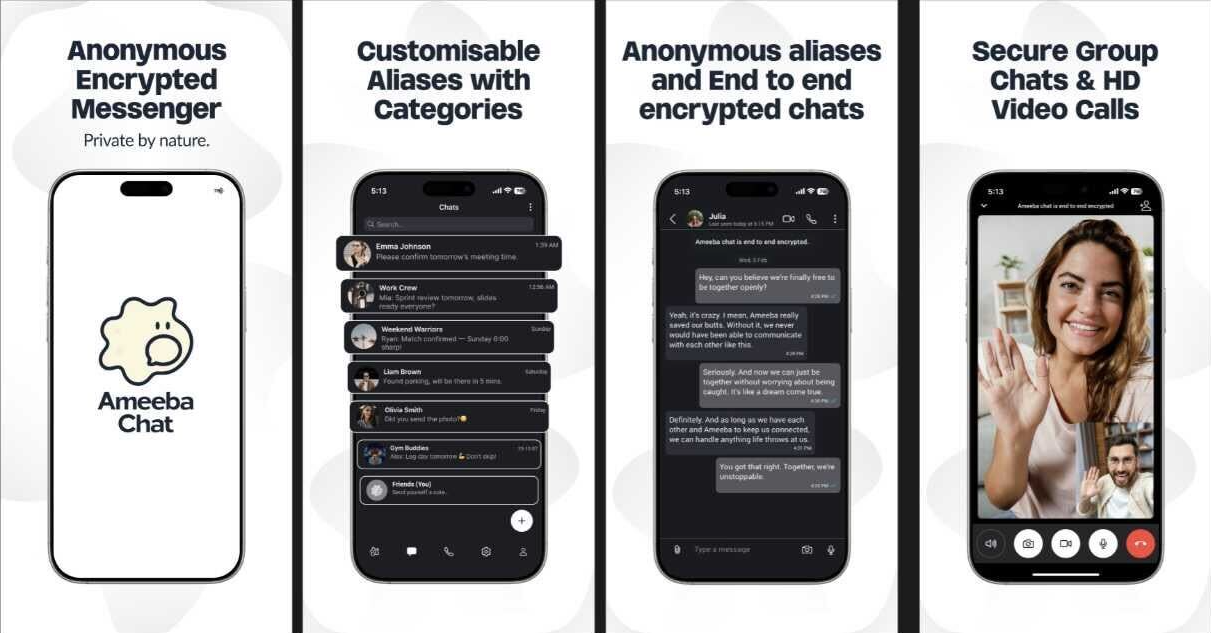
Ameeba Chat gives you a way out.
- • No phone number
- • No email
- • No personal info
- • Anonymous aliases
- • End-to-end encrypted
Chat without a trace.
Product | Affected Versions
Backup Migration Plugin for WordPress | Up to and including 1.3.6
How the Exploit Works
The vulnerability resides in the BMI_BACKUP case of the handle_downloading function, which lacks sufficient path and file validation. This oversight allows attackers to send crafted requests to the server and download back-up files without authentication. The retrieved files can contain sensitive information, providing the attacker with valuable data and possible access to the system.
Conceptual Example Code
An attacker could exploit this vulnerability by sending a malicious HTTP request, as shown conceptually below:
GET /wp-content/plugins/backup-migration/app/backup_restore/dl.php?file=../wp-config.php HTTP/1.1
Host: target.example.com
In this request, the attacker is attempting to download the ‘wp-config.php’ file, which is often found in WordPress installations and contains sensitive database credentials. This file is just an example, and the attacker can attempt to download any file from the server.
Mitigation Guidance
As a mitigation measure, users are advised to apply the vendor patch as soon as it’s available. In the meantime, implementing a Web Application Firewall (WAF) or Intrusion Detection System (IDS) can provide temporary mitigation. Regular monitoring of system logs for any unusual activity is also recommended.
