
Overview
The CVE-2023-52115 vulnerability concerns a Use-After-Free (UAF) issue in the iaware module, which can potentially impact system functions and result in system compromise or data leakage if successfully exploited. This vulnerability is particularly critical for those using affected versions of the iaware software, as it can lead to significant harm if not addressed promptly.
Vulnerability Summary
CVE ID: CVE-2023-52115
Severity: High (CVSS: 7.5)
Attack Vector: Network
Privileges Required: None
User Interaction: None
Impact: Successful exploitation may lead to system compromise and potential data leakage.
Affected Products
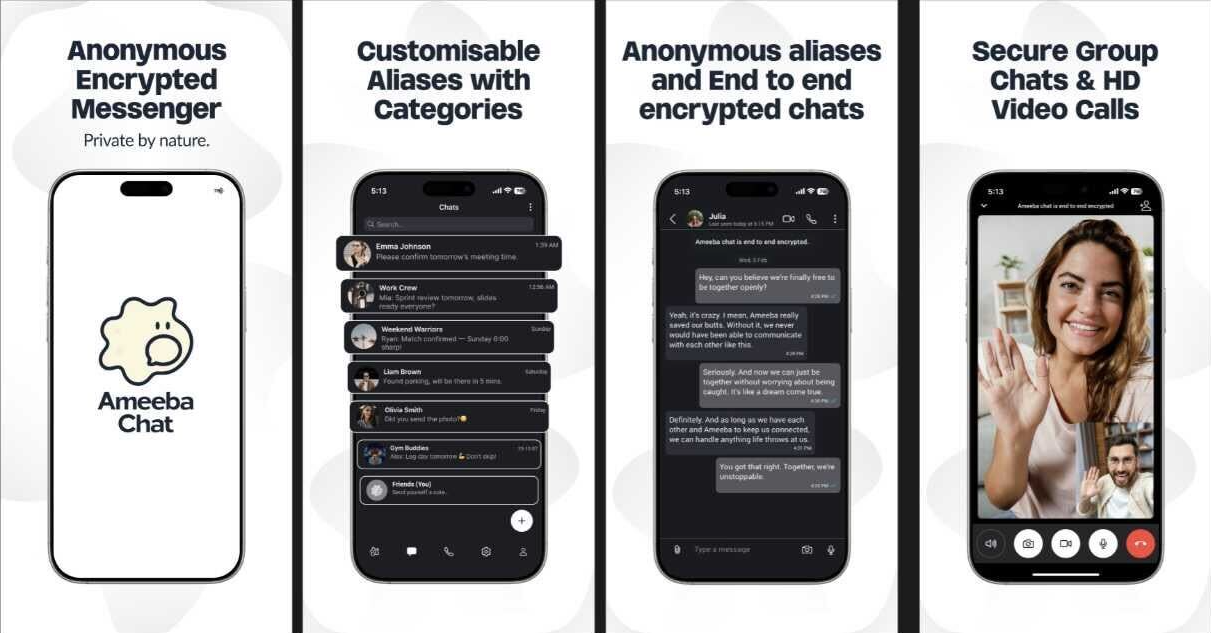
 Escape the Surveillance Era
Most apps won’t tell you the truth.
They’re part of the problem.
Phone numbers. Emails. Profiles. Logs.
It’s all fuel for surveillance.
Ameeba Chat gives you a way out.
- • No phone number
- • No email
- • No personal info
- • Anonymous aliases
- • End-to-end encrypted
Chat without a trace.
Product | Affected Versions
iAware | All versions prior to 2023.1
How the Exploit Works
The vulnerability exists due to improper handling of memory in the iaware module. More specifically, it is a Use-After-Free (UAF) vulnerability where the software uses a pointer after it has been freed. This can lead to two potential issues: it could corrupt valid data if the memory is subsequently used for another purpose, or it could cause the program to crash if the memory is no longer valid.
Conceptual Example Code
The following pseudocode illustrates a conceptual example of how the vulnerability might be exploited:
void vulnerable_function(Object* obj) {
Object* a = new Object();
delete a;
a->call(); // Use-After-Free vulnerability
}
In this example, the memory for the object ‘a’ is freed using ‘delete a’, but then the program attempts to use ‘a’ again. This is where a malicious actor could manipulate the memory to execute their own code.
Mitigation
Users are urged to apply the latest vendor patches to mitigate this vulnerability. If patches are not available, or cannot be applied immediately, the use of a Web Application Firewall (WAF) or Intrusion Detection System (IDS) can provide temporary mitigation. Regular system monitoring and updates are also recommended for ongoing security management.
