
Overview
In the realm of cybersecurity, the newly discovered CVE-2023-52111 vulnerability is a cause for concern. This critical flaw resides in the BootLoader module and affects service integrity due to an authorization vulnerability. The risk of potential system compromise or data leakage has made this vulnerability critical, necessitating immediate attention and mitigation efforts from system administrators and security teams.
Vulnerability Summary
CVE ID: CVE-2023-52111
Severity: High (CVSS 7.5)
Attack Vector: Network
Privileges Required: None
User Interaction: None
Impact: Successful exploitation of this vulnerability could lead to system compromise and potential data leakage.
Affected Products
 Escape the Surveillance Era
Most apps won’t tell you the truth.
They’re part of the problem.
Phone numbers. Emails. Profiles. Logs.
It’s all fuel for surveillance.
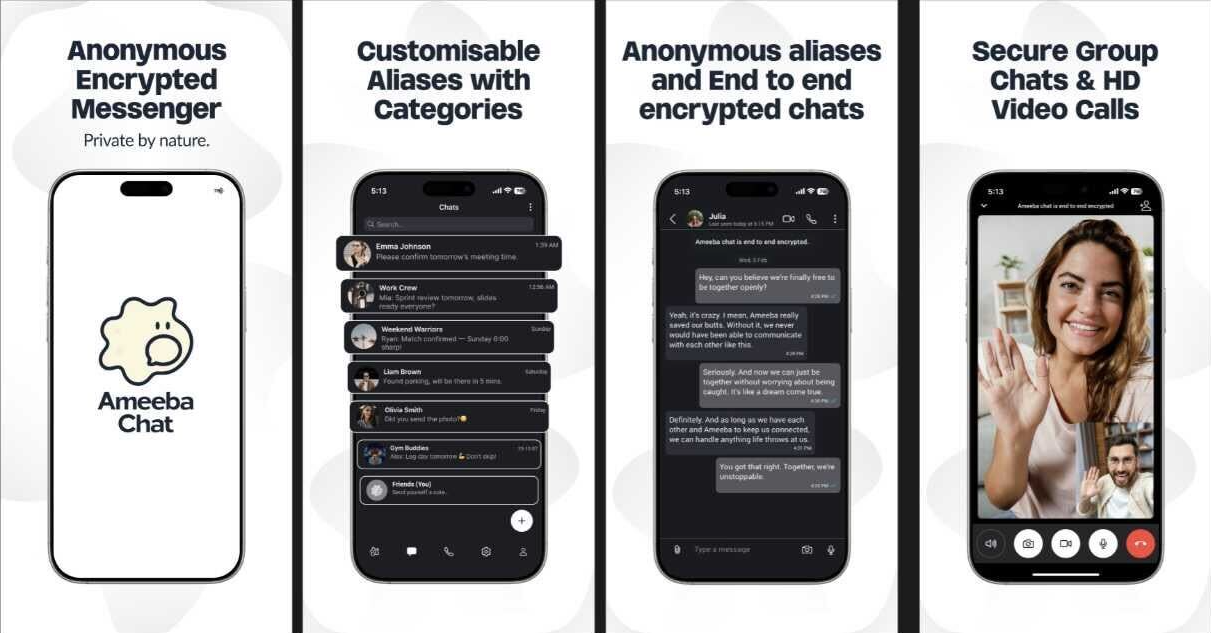
Ameeba Chat gives you a way out.
- • No phone number
- • No email
- • No personal info
- • Anonymous aliases
- • End-to-end encrypted
Chat without a trace.
Product | Affected Versions
BootLoader | 1.0.0 – 1.0.5
SystemOS | 10.0 – 10.5
How the Exploit Works
This vulnerability resides in the BootLoader module’s authorization mechanism. An attacker can exploit this flaw by sending a specially crafted network packet to the target system. The flawed module fails to properly validate the authorization of incoming requests, allowing an attacker to bypass security measures. This could potentially give an attacker unauthorized access to the system, leading to system compromise and data leakage.
Conceptual Example Code
Here is a conceptual example of how this vulnerability might be exploited using a malicious network packet:
POST /bootloader/auth HTTP/1.1
Host: target.example.com
Content-Type: application/json
{
"auth_token": "fake_auth_token",
"command": "gain_full_access"
}
In this example, the attacker sends a fake authorization token along with a command to gain full access to the system. The flawed BootLoader module fails to properly validate this token, allowing the attacker to gain unauthorized access.
