
Overview
The vulnerability CVE-2023-52107 pertains to the WMS module, where permissions are not strictly verified. This vulnerability can impact any service or system using this module, posing a significant threat to service confidentiality. Successful exploitation can lead to system compromise or data leakage, threatening both individuals and organizations’ privacy and security.
Vulnerability Summary
CVE ID: CVE-2023-52107
Severity: High (7.5)
Attack Vector: Network
Privileges Required: Low
User Interaction: None
Impact: Potential system compromise or data leakage
Affected Products
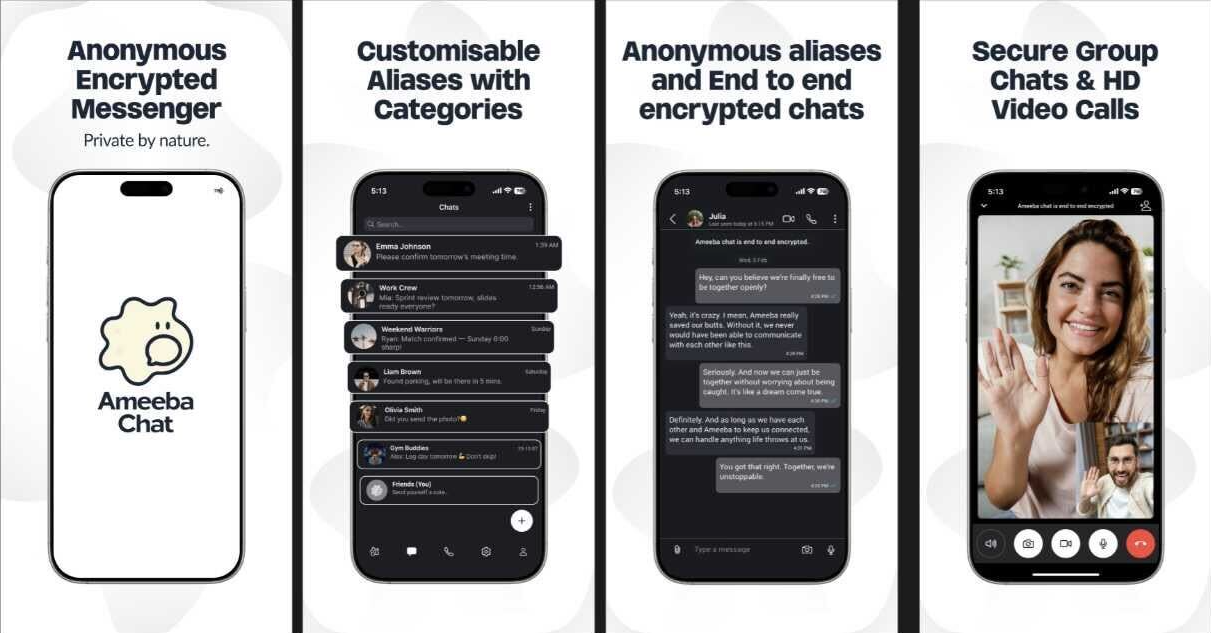
 Escape the Surveillance Era
Most apps won’t tell you the truth.
They’re part of the problem.
Phone numbers. Emails. Profiles. Logs.
It’s all fuel for surveillance.
Ameeba Chat gives you a way out.
- • No phone number
- • No email
- • No personal info
- • Anonymous aliases
- • End-to-end encrypted
Chat without a trace.
Product | Affected Versions
WMS | All versions prior to patch
How the Exploit Works
The exploit takes advantage of the WMS module’s permission verification flaw. This loophole allows an attacker to bypass the system’s security controls without the need for high-level privileges or user interaction, potentially gaining unauthorized access to confidential data or even compromising the entire system.
Conceptual Example Code
Given the nature of this vulnerability, an attacker could potentially exploit it by sending a maliciously crafted request to the WMS module. A conceptual example might look like this:
POST /WMS/endpoint HTTP/1.1
Host: target.example.com
Content-Type: application/json
{
"action": "get_data",
"params": {
"data_id": "1; DROP TABLE users --"
}
}
In this conceptual example, the attacker attempts to inject a malicious SQL command (`DROP TABLE users`) that could cause significant damage if executed.
Mitigation Guidance
Apply the patch provided by the vendor as soon as possible. If the patch cannot be applied immediately, consider using a Web Application Firewall (WAF) or Intrusion Detection System (IDS) as a temporary mitigation measure to detect and prevent exploitation of this vulnerability.
