
Overview
The cybersecurity community has recently identified a severe privilege escalation vulnerability in the nearby module, labeled as CVE-2023-52105. This vulnerability poses a significant threat to system availability, as successful exploitation could potentially lead to system compromise or data leakage. As such, it is crucial for businesses and organizations using affected products to take swift action to mitigate this risk.
Vulnerability Summary
CVE ID: CVE-2023-52105
Severity: High (7.5 CVSS Score)
Attack Vector: Local
Privileges Required: Low
User Interaction: Required
Impact: Successful exploitation can lead to system compromise or data leakage
Affected Products
 Escape the Surveillance Era
Most apps won’t tell you the truth.
They’re part of the problem.
Phone numbers. Emails. Profiles. Logs.
It’s all fuel for surveillance.
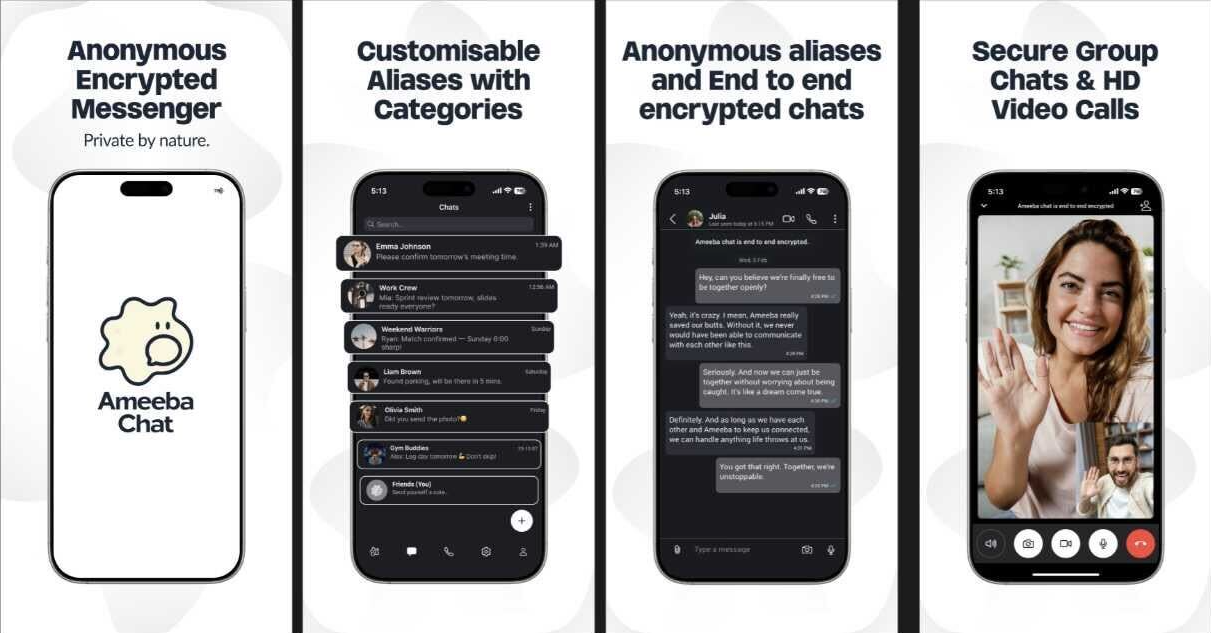
Ameeba Chat gives you a way out.
- • No phone number
- • No email
- • No personal info
- • Anonymous aliases
- • End-to-end encrypted
Chat without a trace.
Product | Affected Versions
Nearby Module | All versions prior to 1.5.1
How the Exploit Works
The exploit takes advantage of a flaw in the nearby module’s permission handling system. By manipulating certain system calls, an attacker with low-level privileges can escalate their access, potentially gaining full control over the system. This can then be used to disrupt system availability or exfiltrate sensitive data.
Conceptual Example Code
Here is a conceptual example of how this vulnerability might be exploited:
$ echo 'malicious_code' > /tmp/exploit
$ chmod +x /tmp/exploit
$ /path/to/vulnerable/module /tmp/exploit
In the above example, an attacker writes malicious code to a file, makes the file executable, and then runs the vulnerable module with the malicious file as an argument. This could result in the execution of the malicious code with elevated privileges.
Mitigation
Until a vendor patch is available, it is recommended to use a Web Application Firewall (WAF) or Intrusion Detection System (IDS) as a temporary countermeasure against potential exploitation attempts. Regularly monitoring system logs for suspicious activity can also help in early detection of any exploit attempts.
