
Overview
This report covers the details of CVE-2023-52098, a Denial of Service (DoS) vulnerability identified in the DMS module. This vulnerability, if successfully exploited, can cause disruptions in service availability, potentially leading to system compromise or data leakage. Its existence raises significant cybersecurity concerns for systems and applications relying on the affected DMS module.
Vulnerability Summary
CVE ID: CVE-2023-52098
Severity: High (7.5 CVSS score)
Attack Vector: Network
Privileges Required: Low
User Interaction: None
Impact: System disruption, potential data leakage, and system compromise
Affected Products
 Escape the Surveillance Era
Most apps won’t tell you the truth.
They’re part of the problem.
Phone numbers. Emails. Profiles. Logs.
It’s all fuel for surveillance.
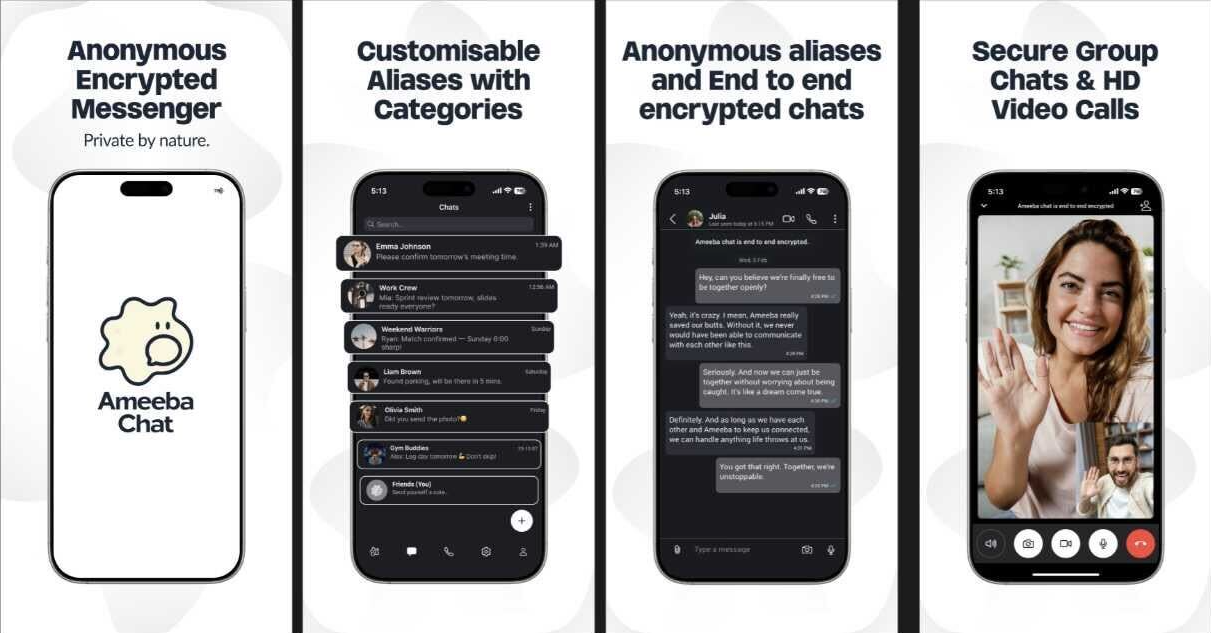
Ameeba Chat gives you a way out.
- • No phone number
- • No email
- • No personal info
- • Anonymous aliases
- • End-to-end encrypted
Chat without a trace.
Product | Affected Versions
DMS Module | All versions prior to patch
How the Exploit Works
The vulnerability takes advantage of a flaw within the DMS module. The flaw allows an attacker to send specially crafted network requests that the DMS module fails to handle correctly. This causes the module to consume excessive system resources, leading to a denial of service. If the system doesn’t have an effective fail-safe mechanism, it could potentially lead to system compromise or data leakage.
Conceptual Example Code
Here is a conceptual example of how the vulnerability might be exploited, using a maliciously crafted HTTP request:
POST /dms/vulnerable/endpoint HTTP/1.1
Host: target.example.com
Content-Type: application/json
{ "malicious_payload": "Excessive resource consumption trigger" }
In this example, the “malicious_payload” is designed to trigger the flaw in the DMS module, causing it to consume excessive system resources and resulting in a denial of service.
Mitigation Guidance
To mitigate this vulnerability, affected systems should apply the vendor-supplied patch as soon as possible. As a temporary solution, using a Web Application Firewall (WAF) or Intrusion Detection System (IDS) can help detect and block attempts to exploit this vulnerability. However, these measures are only temporary and should not replace the necessary patching.
