
Overview
The cybersecurity landscape has witnessed a new vulnerability, CVE-2023-51502, which affects WooCommerce Stripe Payment Gateway. This vulnerability allows an attacker to bypass authorization through user-controlled key, potentially leading to system compromise or data leakage. Given the widespread use of the WooCommerce Stripe Payment Gateway, this vulnerability poses significant risks to many online businesses.
Vulnerability Summary
CVE ID: CVE-2023-51502
Severity: High – 7.5 CVSS Score
Attack Vector: Network
Privileges Required: None
User Interaction: None
Impact: System compromise and potential data leakage
Affected Products
 Escape the Surveillance Era
Most apps won’t tell you the truth.
They’re part of the problem.
Phone numbers. Emails. Profiles. Logs.
It’s all fuel for surveillance.
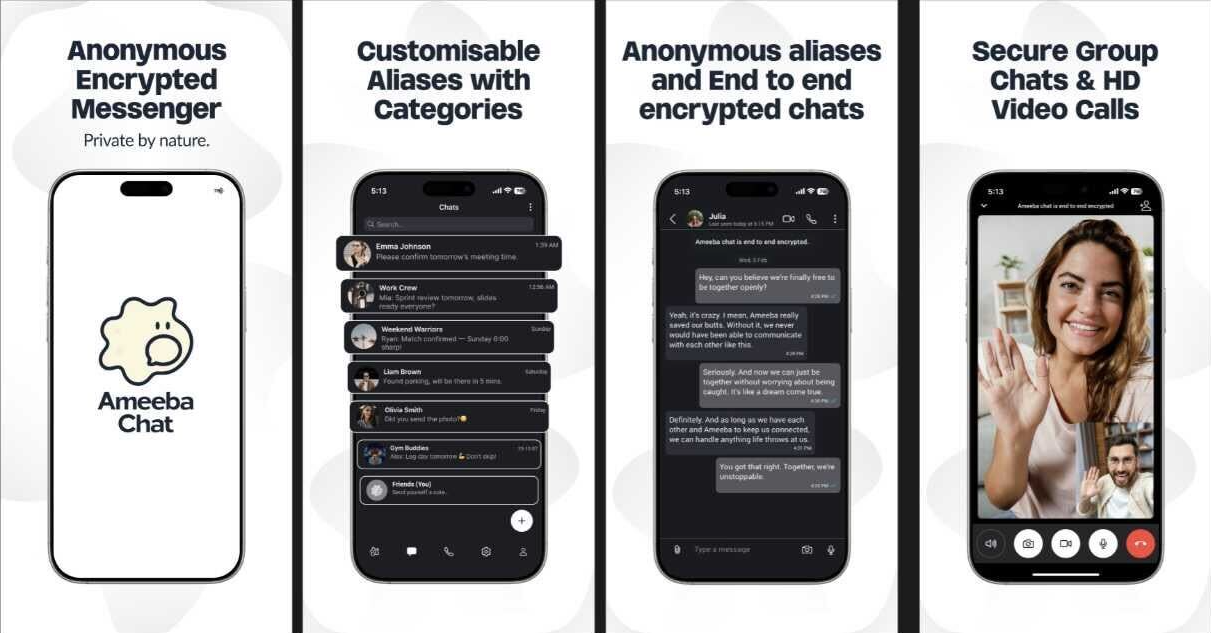
Ameeba Chat gives you a way out.
- • No phone number
- • No email
- • No personal info
- • Anonymous aliases
- • End-to-end encrypted
Chat without a trace.
Product | Affected Versions
WooCommerce Stripe Payment Gateway | Up to and including 7.6.1
How the Exploit Works
An attacker can exploit the vulnerability by manipulating user-controlled keys in the WooCommerce Stripe Payment Gateway. Because the system does not correctly verify the permissions, this can allow unauthorized access to sensitive data or even system control.
Conceptual Example Code
Below is a conceptual example of how an attacker might exploit this vulnerability. Note this is not real exploit code, but a simplified representation of how the attack might occur.
POST /payment/authorize HTTP/1.1
Host: target.example.com
Content-Type: application/json
{
"user_key": "malicious_key",
"command": "extract_all_user_data"
}
In this example, the attacker sends a POST request with a malicious key and a command to extract all user data.
Mitigation Measures
To mitigate this vulnerability, users should immediately apply the vendor-supplied patch. In the absence of a patch, users can employ a Web Application Firewall (WAF) or Intrusion Detection System (IDS) capable of detecting and blocking attempts to exploit this vulnerability. Regularly updating and patching systems is crucial to maintaining a robust cybersecurity posture.
