
Overview
This report addresses a significant vulnerability, CVE-2023-51065, detected in QStar Archive Solutions Release RELEASE_3-0 Build 7 Patch 0. If exploited, this vulnerability allows unauthenticated attackers to gain access to system backups and other sensitive information from the QStar Server. As such, it poses a serious threat to organizations using the vulnerable software, given the potential for system compromise and data leakage.
Vulnerability Summary
CVE ID: CVE-2023-51065
Severity: High (7.5 CVSS Score)
Attack Vector: Network
Privileges Required: None
User Interaction: None
Impact: Unauthorised access leading to potential system compromise or data leakage
Affected Products
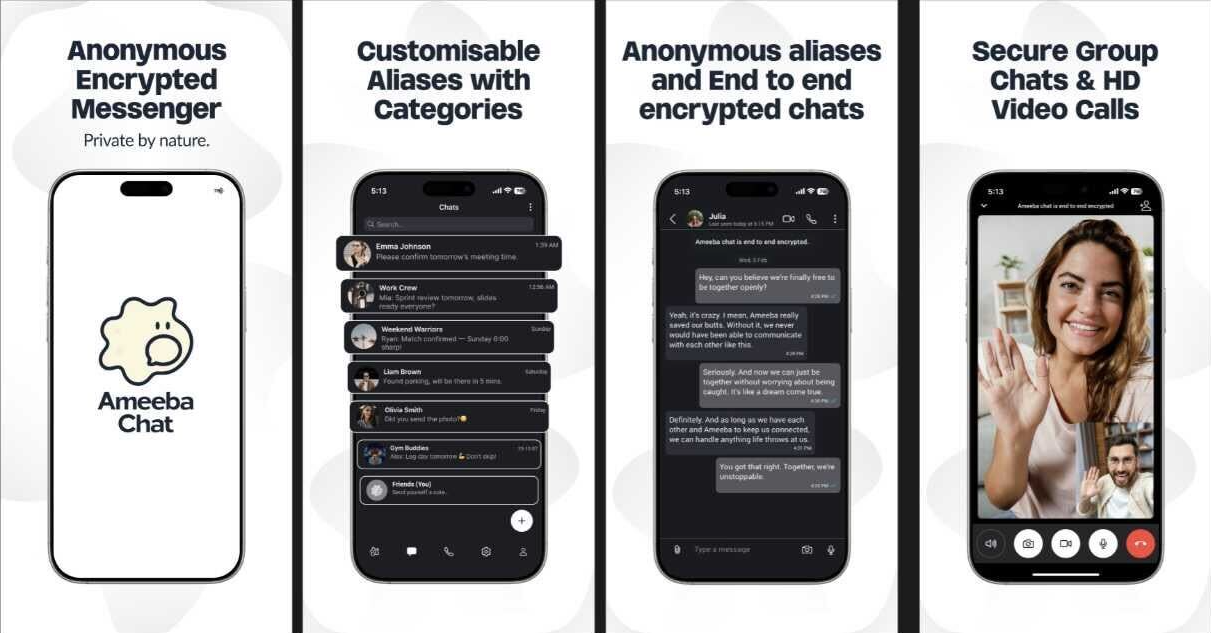
 Escape the Surveillance Era
Most apps won’t tell you the truth.
They’re part of the problem.
Phone numbers. Emails. Profiles. Logs.
It’s all fuel for surveillance.
Ameeba Chat gives you a way out.
- • No phone number
- • No email
- • No personal info
- • Anonymous aliases
- • End-to-end encrypted
Chat without a trace.
Product | Affected Versions
QStar Archive Solutions | RELEASE_3-0 Build 7 Patch 0
How the Exploit Works
The exploit takes advantage of the incorrect access control in QStar Archive Solutions. An attacker can make unauthenticated network requests to the QStar Server, accessing system backups and sensitive information. The lack of proper access control mechanisms makes it possible for an attacker to retrieve, manipulate, or delete data, leading to potential system compromise or data leakage.
Conceptual Example Code
The following is a conceptual example of how the vulnerability might be exploited using an HTTP request:
GET /system_backups/backup.tar.gz HTTP/1.1
Host: qstar_server.example.com
This request, when sent by an attacker, may return a system backup file if the server is running an affected version of QStar Archive Solutions. The actual exploit will depend on the specific configurations and environment of the vulnerable system.
Mitigation Guidance
To mitigate this vulnerability, it is recommended to apply the vendor-provided patch as soon as it becomes available. In the meantime, a Web Application Firewall (WAF) or Intrusion Detection System (IDS) can be used as a temporary mitigation measure. These tools can help detect and block malicious attempts to exploit this vulnerability.
