
Overview
The common vulnerability exposure (CVE) identified as CVE-2023-50082 pertains to a security flaw in the Aoyun Technology pbootcms V3.1.2. This vulnerability exposes the software to Incorrect Access Control attacks, potentially allowing unauthorized remote attackers to access sensitive information via session leakage and circumvent backend management platform login requirements. This exposure could result in system compromise or data leakage, posing a significant risk to the integrity and confidentiality of the affected systems.
Vulnerability Summary
CVE ID: CVE-2023-50082
Severity: High (CVSS: 7.5)
Attack Vector: Network
Privileges Required: None
User Interaction: None
Impact: System compromise, data leakage
Affected Products
 Escape the Surveillance Era
Most apps won’t tell you the truth.
They’re part of the problem.
Phone numbers. Emails. Profiles. Logs.
It’s all fuel for surveillance.
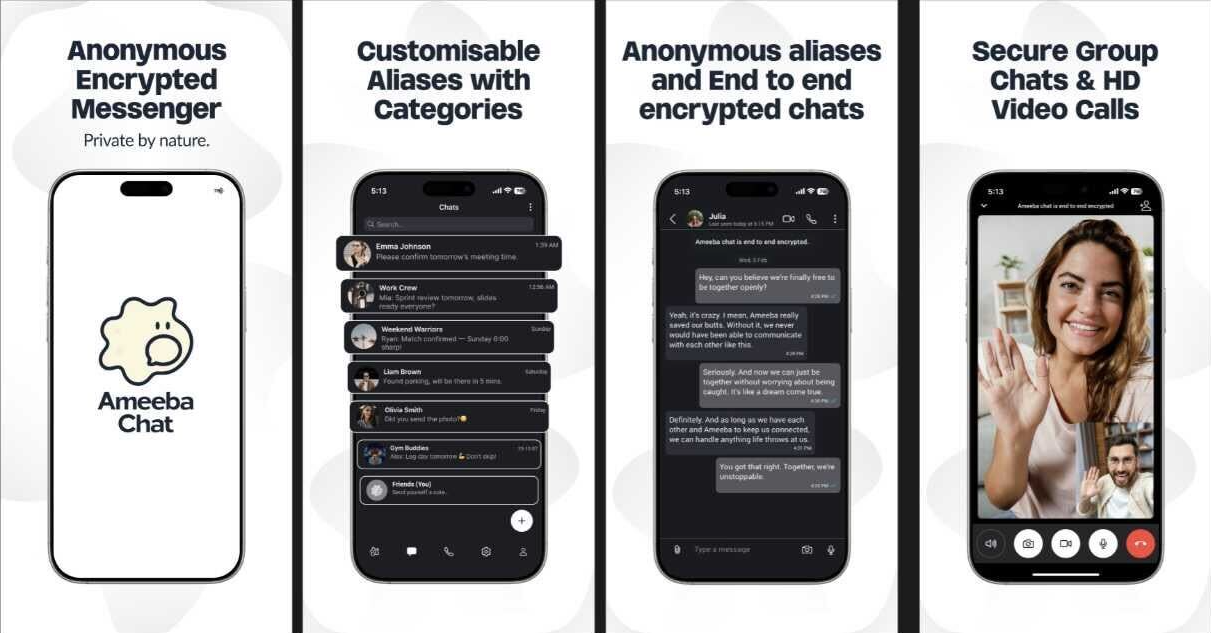
Ameeba Chat gives you a way out.
- • No phone number
- • No email
- • No personal info
- • Anonymous aliases
- • End-to-end encrypted
Chat without a trace.
Product | Affected Versions
Aoyun Technology pbootcms | V3.1.2
How the Exploit Works
The Incorrect Access Control vulnerability within Aoyun Technology pbootcms V3.1.2 allows remote attackers to access sensitive information via session leakage. This leakage is due to improper session management, which could potentially allow an attacker to intercept a user session or bypass the login mechanism of the backend management platform. This could lead to unauthorized access to the system, resulting in data theft or system compromise.
Conceptual Example Code
The following is a conceptual example of how this vulnerability may be exploited using a HTTP request to initiate a session leakage:
GET /pbootcms/ HTTP/1.1
Host: target.example.com
Cookie: SESSIONID=...
This HTTP request could potentially allow an attacker to initiate a session with the target server using a leaked or intercepted session ID.
Mitigation Guidance
To mitigate the CVE-2023-50082 vulnerability, it is recommended to apply the latest patch provided by Aoyun Technology for the pbootcms. If a patch is not immediately available or cannot be applied, the use of a Web Application Firewall (WAF) or an Intrusion Detection System (IDS) could serve as a temporary mitigation measure to detect and block potential exploits. Always ensure to follow best practices for cybersecurity, including maintaining up-to-date software, regularly monitoring system logs, and implementing robust access control mechanisms.
